

Start with jurisdiction, audience, and access
White Center is part of unincorporated North Highline, and King County provides local government services. The North Highline Subarea Plan describes White Center within a larger group of neighborhoods and reflects a culturally diverse community. A website should name the correct service territory rather than treating White Center as a city.
A walk-in customer may need current hours and location. A household comparing services may need coverage, price factors, and scheduling. A person seeking community support may need eligibility and language access. A regional buyer may need capabilities. Navigation should let each person reach the relevant answer without decoding agency language.
An illustrated neighborhood street can establish context, but it cannot confirm whether an address sits inside a service boundary, which languages staff support, or whether an appointment is available. Those are operational facts. Publish them only when verified and keep them easy to update.
Find the break in the path before rebuilding
Review where visitors enter, what they need next, and whether that next step works on a phone. Is the service described in customer language? Are forms delivered to the right person? Is the navigation built around choices a visitor understands? These observations help decide whether to repair pages or rebuild the site.
If copy is vague, rewrite the core offer before changing the entire visual system. If several services share one crowded page, separate them when their questions and actions differ. If the mobile menu or form fails, fix that behavior before adding more content.
White Center graphic design may support a campaign and logo design may improve recognition. Neither replaces useful page structure, accessible text, and a reliable contact route. Define the site’s main task before listing features.

Organize pages around decisions
A practical sitemap distinguishes the overview, specific services, proof, process, and contact information. The exact number of pages follows the business. A service with its own audience, qualifications, or steps may deserve a separate page; near-identical variants can confuse people and dilute maintenance effort.
Use headings that state the answer before expanding it. Internal links should move someone from broad context to the relevant detail. Location language should describe real coverage or logistics. Repeating White Center in every heading does not make a vague page more useful.
Titles, descriptions, headings, and structured data should accurately match rendered content. They help search systems interpret pages, but no site build can promise rankings, AI citations, or lead volume. Site quality is one factor among competition, demand, reputation, and ongoing business activity.

Make mobile inquiries dependable
Galactic maps the audience, business goal, and next action before arranging layouts. We put essential answers where visitors can find them and keep important words in accessible HTML. Design can guide attention without hiding basic terms in a picture or animation.
On a phone, a customer should be able to read the offer, check fit, and reach a working next step. Forms should ask only what is needed for a useful response. Confirmation messages and staff routing should be agreed before launch, because a beautiful button is not a complete inquiry process.
Test responsive layouts, keyboard navigation, link destinations, images, and form delivery. Integrations such as booking, payments, or customer systems need early discovery because access, data flow, and third-party behavior affect effort. A concrete scope makes those dependencies visible.

Know what the web proposal covers
Ask which pages, content tasks, forms, integrations, redirects, and launch steps are included. Clarify who supplies approved facts and media, who controls existing accounts, and who signs off on the final pages. A page count by itself does not explain whether the project solves the main problem.
Timing depends on content readiness, number of distinct page types, features, approvals, and access to systems. If a campaign or opening date matters, set a complete first release and place optional enhancements later. The schedule should leave room for real content and functional review.
Plan for maintenance. Hours, teams, service areas, and offers change. The owner should know how those updates are made and who can help. A manageable site can remain accurate long after launch, which is more valuable than a polished page that quickly becomes stale.
Test the information and the implementation
Discovery gathers goals, current pages, available analytics, and recurring customer questions. A sitemap and page outline establish the route before design polish. Draft review should focus on whether someone can understand the offer and choose the right action.
Development builds approved content and interactions into responsive pages. Review includes real phone widths, realistic text lengths, and the behavior of forms and embedded tools. A screenshot can reveal layout but cannot prove that a submission arrives or that a keyboard user can complete a task.
Before release, check titles, links, redirects, image alternatives, loading, and contact delivery. Handoff should include access and update instructions. If later measurement matters, agree what counts as a useful inquiry and compare against a meaningful baseline.
Read portfolio sites for useful patterns
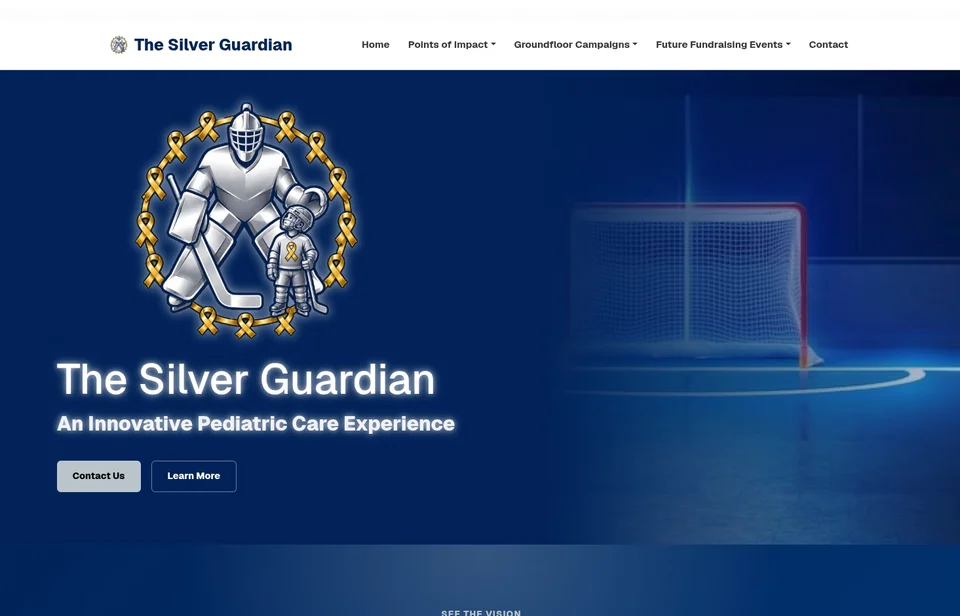
Galactic’s web portfolio shows completed work for clients elsewhere. It is not evidence of a White Center commission or a guaranteed result. Examine examples for clear service explanations, mobile readability, and next steps rather than copying a visual treatment alone.
Bring the pages customers use now and a few questions they ask in person. That material may reveal a content problem, a navigation problem, a technical failure, or a combination. It is a better basis for an estimate than simply asking for a modern look.
A White Center business serving Burien, Seattle, or other nearby areas should explain the real boundary and any travel or service differences. A useful local page answers those practical questions. It should not assert proximity or availability the business cannot fulfill.
Questions about White Center web development
Do we need a complete rebuild?
Not always. A review may point to focused content, mobile, navigation, or form repairs.
Can the site cover White Center and nearby communities?
Yes, if the business actually serves both. State service boundaries and any travel conditions clearly.
Who verifies page content?
The owner must approve operating facts, policies, prices, and claims before publication, even when writing is included.
Will a new site guarantee higher rankings?
No. Accurate pages support discoverability, while rankings depend on factors outside a site build.
What should handoff include?
Confirm site access, approved pages, tested actions, redirects where needed, and a workable update process.
Ready for a useful next step?
Give each visitor a clearer next step.
Share the page and customer question that need the most help. We can outline a practical web project for your White Center business.
Discuss your White Center project