
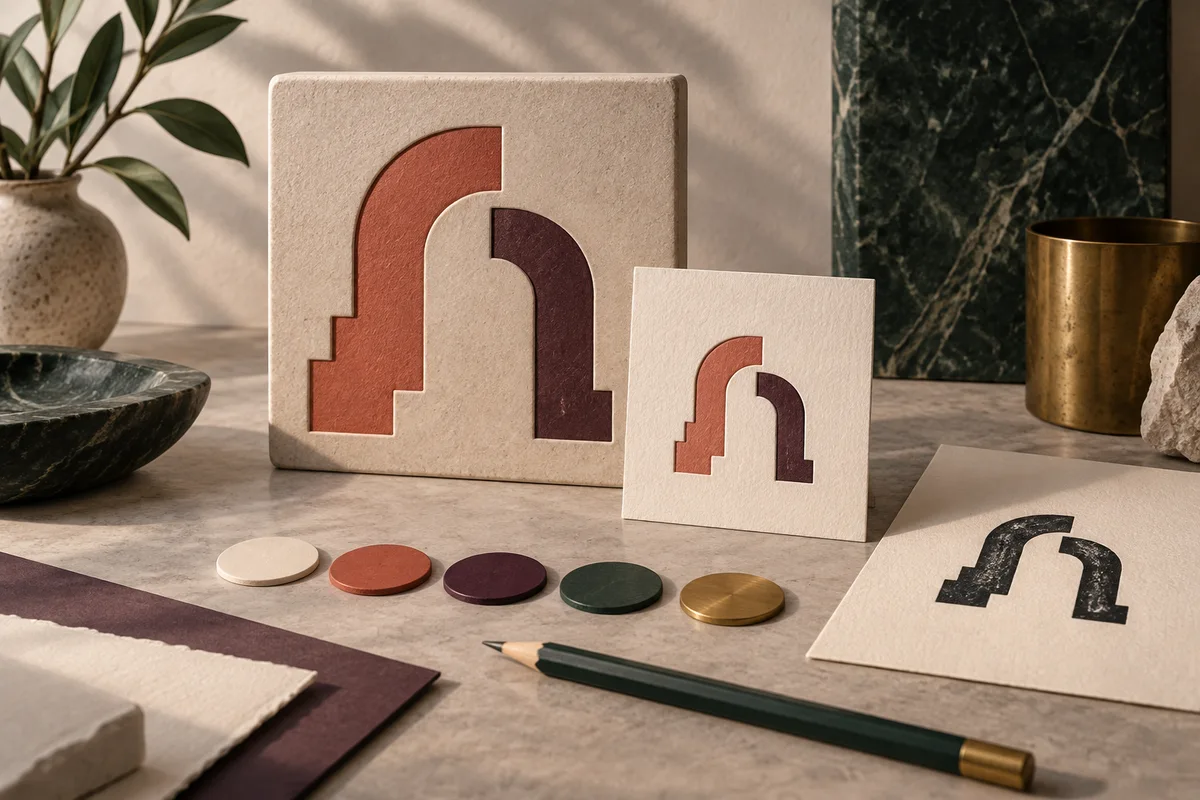
Recognition that holds together
Logo design for Auburn businesses building their next chapter
Galactic Digital Studios offers logo design for small businesses in Auburn, Washington. We help shape an identity that reflects the business, makes its name easier to recognize, and works in the places customers encounter it. That may mean developing a first logo, refining an established mark, or creating a clearer direction after the business has changed.
Auburn’s business setting includes downtown commerce and regional commercial activity. Its economic development office highlights manufacturing and distribution alongside community connections. A business selling specialized services to other companies may need a different identity from a retailer inviting people through its door. Local relevance begins with understanding those differences, not choosing a symbol because it looks vaguely regional.
We collaborate remotely with Auburn owners. Your knowledge of the business, customers, and intended uses guides the brief. The design should represent something real and remain practical after the presentation is over.

Think about the smallest use and the largest commitment
Small digital spaces
A profile image or compact website header can reveal whether a mark depends on too much detail. Consider how the name and symbol behave when space is limited and the viewer is not studying the design closely.
Everyday business materials
Forms, proposals, cards, and other routine documents should look like they belong to the same business. The identity needs usable versions and clear decisions about color and placement.
Physical applications
If signage, uniforms, or vehicle graphics are part of the plan, discuss them early. Different production methods may need simplified artwork or specific file types. Those requirements should influence the design conversation before final approval.
Preserve useful recognition when you make a change
An older logo is not automatically a bad logo. It may carry recognition that matters to your customers while also having practical problems: the name is difficult to read, the original files are missing, or the layout does not fit current applications. A refresh can address some of those issues without discarding every familiar element.
A larger change may make sense when the business name, audience, or offer has moved in a different direction. For an established Auburn company, the question is not simply whether the new design looks more modern. It is whether the change helps people understand the business and whether the transition can be handled coherently.
List the materials that will need updating and decide which ones are immediate priorities. A hypothetical service business with existing uniforms and vehicle graphics faces different rollout decisions from a new venture that has not ordered anything yet. Knowing the applications helps keep the project grounded in actual use.

Give the visual direction a reason
Start with what the business should communicate
Our strategic approach considers the offer, audience, personality, and competitive context before committing to visual details. We ask what should feel familiar, what needs to be distinctive, and which associations would be unhelpful. These questions give feedback a shared reference point.
For example, an Auburn business introducing specialized capabilities may want an identity that feels organized and direct. A customer-facing shop may want a more expressive tone. Neither brief automatically dictates a particular symbol, font, or color. The design needs to be evaluated as a whole and in the settings where it will appear.
A coherent identity supports credibility and recognition. It can help someone connect a recommendation, a website visit, and a printed piece to the same business. That consistency can support marketing and future growth, but a logo does not independently create leads or establish the quality of the service behind it. We design for a useful role in the larger business presence.

Agree on the identity work you actually need
A logo project can range from a focused mark and essential variations to a broader system involving colors, typography, and usage guidance. Be specific about the deliverables. The phrase “branding package” is not enough to establish which files, applications, or decisions are included.
Before starting, discuss the exploration process, revision expectations, final formats, source files, and rights or licensing arrangements. Identify who has final approval and whether outside suppliers have production requirements. These details affect the work and prevent the handoff from becoming a collection of unanswered questions.
Consider the next application as well as the immediate one. If the website is changing, Auburn web development can help carry the approved identity into a usable online experience. If sales materials or campaign graphics need updating, Auburn graphic design can extend the visual direction into those formats.
Clear written information remains essential alongside the mark. Keep the business name and service descriptions readable on the website. Recognition supports the experience, while useful content explains the offer to readers and search systems.
A focused path to a finished identity
Make decisions in the right order
Define the brief
Review the business, audience, existing identity, and intended applications. Establish the approved name and any elements that need to stay. Agree on the criteria that will guide evaluation.
Explore a direction
Develop visual ideas around the brief and explain their reasoning. Consider the relationship between the name, lettering, and any symbol. Feedback should identify how well a direction fits the business.
Refine for real use
Improve the selected direction through consolidated review. Check scale, contrast, spacing, and the agreed applications. A useful variation should solve a practical problem rather than add another option without a purpose.
Organize the handoff
Prepare the agreed files and explain which versions are intended for different uses. Clarify any usage guidance and future adaptation needs. Broader rollout work should be identified rather than silently assumed.
Use different portfolio styles as a conversation starter
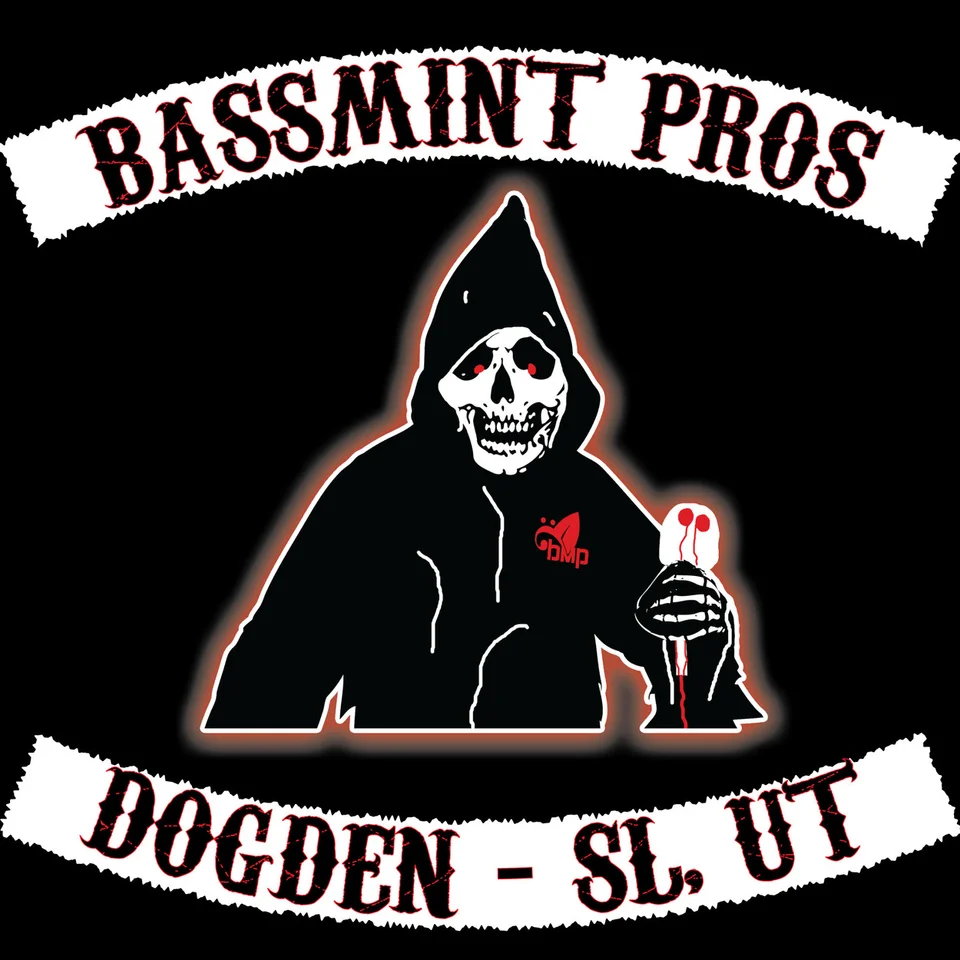
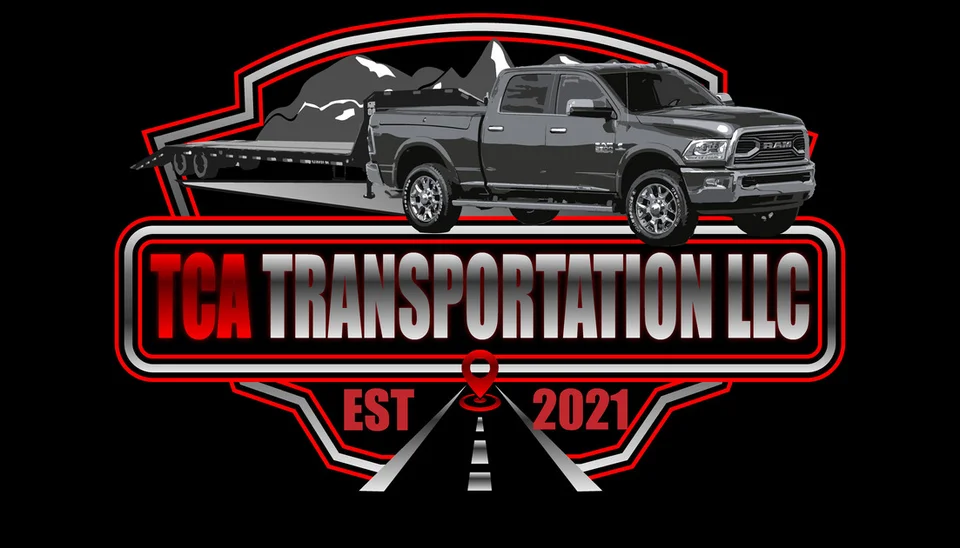
The identity examples on this page include The Silver Guardian, Smokin’ Mage LLC, Sooo Good Lemonade, Bassmint Pros, and TCA Transportation LLC. These are selections from Galactic’s existing portfolio, not claims of Auburn-based client work. Their different visual personalities show why a logo should be judged against its brief.
Look at the relationship between the lettering and imagery, the amount of detail, and the character of the design. Then consider the applications your business needs. A style you enjoy looking at is not automatically the one that will serve your customers best.
Galactic’s history begins in 2015 with web development, followed by a broader mix of design services. That background informs the practical conversation about how an identity works online and across other materials. Explore the portfolio and About Us page to understand the work and studio before discussing your project.
Build an identity that can move with the business
Auburn occupies parts of King and Pierce counties, and a business’s customer relationships may extend beyond a single municipal boundary. Consider whether your identity supports the area and audience you expect to serve. A locally grounded business can still benefit from a mark that does not require geographic explanation.
Our Kent logo design and Federal Way logo design pages cover nearby service areas. Return to the Auburn digital services overview if you are deciding how identity work fits with a larger update.
Specificity comes from the business itself: its offer, its audience, and the way it operates. If a regional motif supports that story, it can be explored. If it makes the identity less distinctive or harder to use, there is no reason to include it simply to signal location.
Auburn logo design questions
Can we update the logo without changing the business’s personality?
Yes, a refresh can preserve recognizable characteristics while addressing practical issues. Share the current uses and explain what customers recognize. The first step is identifying what should remain and what needs to improve.
Do we need a separate icon?
Not every business needs one. A wordmark may be appropriate, or a symbol may help in compact applications. The choice should follow the business name, audience, and intended uses rather than a fixed formula.
What if we only have a small image of our existing logo?
Share it along with any other versions you can locate. We need to assess what is usable and whether reconstruction or redesign is appropriate. Do not assume a small screen image will work for larger production.
Will the final files work with our sign or apparel supplier?
Discuss those applications and obtain the supplier’s requirements before delivery. The agreed scope should identify needed formats and variations. Different production methods can impose different constraints on the artwork.
How are budget and timing determined?
The scope of exploration, revisions, variations, and broader identity work all matter. So do review availability and required production dates. A clear brief allows those factors to be discussed before the project is underway.
Recognition with a practical foundation
Give your next chapter an identity that belongs to it.
You may be protecting years of recognition or introducing a business for the first time. Either way, the work starts with understanding what the identity needs to communicate and where it must perform. Let’s shape that direction for your Auburn business.
Discuss your Auburn identity