

Different Redmond settings, different buying questions
The city’s neighborhoods page identifies Downtown and Overlake as its two urban centers and notes business parks and industrial uses in several other neighborhoods. Its centers planning page describes growth policy around those centers. These are land-use facts, not proof of demand for an individual business.
A hypothetical Downtown shop may need clear hours and pickup details. An Overlake service provider may need appointment information for people arriving from different parts of the Eastside. A business in a manufacturing or office area may need specifications, service boundaries, and a qualified inquiry path. Each requires a different content hierarchy.
Galactic Digital Studios connects web development, graphic design, and logo design to those practical decisions. The first phase should remove a specific source of customer confusion and leave the business able to keep changing facts current.
Start with the question that stalls a sale or inquiry
Start with the question that prevents a customer from acting. A retail buyer might need stock and pickup rules. A local service buyer might need coverage and appointment options. A business buyer may need capabilities, requirements, and a route to discuss a project. The website can carry detail, a graphic can summarize it, and identity rules can make the pieces recognizable.
Redmond web development can make service and capability pages easier to navigate. Redmond graphic design can carry the explanation into sheets, presentations, and follow-up material. Redmond logo design can make those pieces recognizably connected. A useful scope names which gap comes first.
Clearer communication can support visibility, credibility, and better-fit inquiries. It cannot guarantee rankings, sales, or a particular lead count. Demand, price, reputation, availability, and follow-up also influence results.

Gather the facts a customer needs to assess fit
Bring current pages, documents, brand files, approved images, and recurring questions. Which details determine whether an inquiry is appropriate? A service territory, minimum order, lead time, certification, or preparation step may matter more than a broad claim of quality. The business confirms which facts are accurate.
Compare proposals by content work, number of pages or materials, design variations, production files, account ownership, and review stages. Ask how future updates will be handled. Cost and timing depend on the scope, the readiness of source material, and the number of people approving it.
If the offer includes specialized work, decide how much information can be public and what should be discussed after an inquiry. A clear summary can help a buyer determine relevance without publishing confidential specifications.
Build one coherent story across formats
We begin with the audience and the decision they need to make. Then we organize content, develop a visual direction, and build the agreed assets. Direct headings and accurate examples make information usable when someone sees only one page or one sheet.
A hypothetical Downtown retailer could separate walk-in goods from special orders. An Overlake provider could distinguish online consultations from in-person appointments. A business park supplier might state minimum order or technical requirements. These are planning prompts, not Galactic clients or measured Redmond behavior.
Visible answers and logical links help people research through search and AI-assisted summaries. Google says foundational SEO practices remain relevant to AI search features; no special markup guarantees inclusion. We do not promise rankings or citations.
Let’s identify the Redmond customer question your current materials leave unanswered.
Make the first phase complete enough to use
A focused phase might complete a product or service explanation, one inquiry path, or an identity file set for existing channels. Later work can reuse the same terminology and visual rules. Assign owners to changing location, availability, qualifications, and service boundaries so the materials stay accurate.
Decide who owns website accounts, source files, and future edits. A business should know how to update changing hours, services, specifications, or staff. If outside help is needed, define it in the scope.
Review each deliverable in its real setting. A site needs mobile, link, and form checks; a printed piece needs dimensions and vendor requirements; a logo needs small-size and one-color tests. A mockup is useful direction, not final production proof.
A practical route from discovery to handoff
Discovery reviews the offer, audience, and current materials. Direction establishes content hierarchy and visual treatment. Creation builds the agreed pages or assets. Feedback checks factual accuracy, readability, and fit. Launch or delivery includes the technical and production checks relevant to the project.
The business supplies and approves service facts and identifies a decision maker for consolidated feedback. We would set a realistic schedule after seeing the scope and source material, rather than promise a fixed timeline in advance.
Handoff confirms files, access, and update responsibility. Later customer questions can point to a targeted content or design change without forcing a full redesign.

Use real work to ask better questions
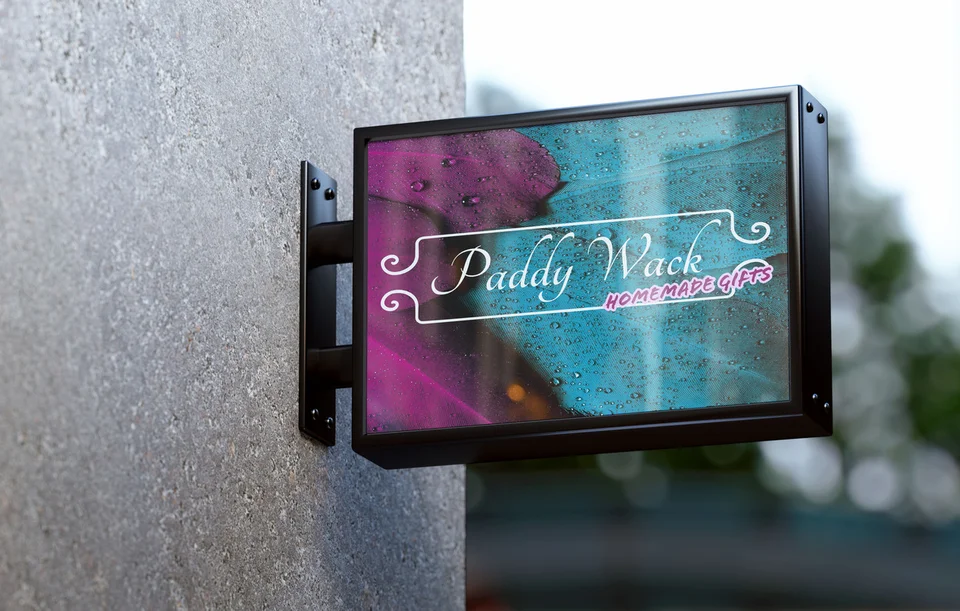
The Galactic portfolio includes RSQ Tag and Utah Roaster Pigs websites, Paddy Wack Homemade Gifts graphics, and Sooo Good Lemonade identity work. These are examples of completed work, not Redmond commissions or evidence of a measured business result. Review how each piece explains its subject.
The responsive web-design illustration is AI-generated and separate from client work. Portfolio mockups show possible applications rather than verified physical installations. Our studio background gives additional context about Galactic.
For nearby context, see Bellevue and the service areas directory. Your own geographic claims should match where you actually operate; a city page should not imply a local Galactic office.

Questions about web and design services in Redmond
Where should a Redmond business start?
Start where a customer cannot assess fit: unclear capabilities, inconsistent materials, or a confusing next step. Scope one complete improvement.
Do we need a new site and logo together?
Not always. The order depends on what is usable now and which decisions later work will depend on.
Can you work with technical information?
We can organize supplied details for clarity. Your team must confirm specifications, qualifications, and any confidentiality limits.
What affects cost?
Content readiness, functionality, number of applications, production requirements, and review complexity. A proposal should name outputs and responsibilities.
Will redesigning guarantee new leads?
No. Clearer information can support relevant inquiries, while demand, competition, price, and follow-up also matter.
Ready for a useful next step?
Give the right customer a clearer way to assess your business.
Tell us what customers need to understand and where your current materials fall short. We can discuss a focused scope for your Redmond business and the information needed to begin.
Discuss your Redmond project