
Help nearby customers find the right answer quickly
Layton's town-center plan emphasizes access to everyday goods and services close to neighborhoods. It describes a future planning pattern, not a completed map of businesses. For a small company, the practical question is how a person can confirm service fit, coverage, and the next action without searching through vague pages.
A hypothetical household service might need clear coverage and preparation details. A professional practice might need to distinguish consultation from delivery. A retailer may need hours, product categories, and pickup information. These are possible site decisions, not claims about Layton customers or Galactic projects.
Galactic Digital Studios builds websites that organize real service details into readable pages. Responsive design and clear navigation help visitors assess fit before they inquire.
Give each page a defined role
A homepage should establish what the business does and route visitors to meaningful detail. Service pages can explain inclusions, limitations, prerequisites, and what happens after a request. If two audiences need different answers, give each a clear path instead of making one generic page carry every scenario.
A Layton services overview can connect related design needs. On a client site, descriptive internal links should move a reader from summary to detail and then to the appropriate next step. Navigation labels should use customer language rather than internal jargon.
Forms should ask only for information needed to start a useful exchange. A request for an estimate is not a confirmed booking. The page and confirmation message should reflect the business’s actual process.
Compare website proposals on what they actually include
Clarify page count, content writing, imagery, forms, integrations, migration, redirects, and editing access. Ask who owns the domain, hosting, and analytics accounts. A quote with fewer responsibilities may look cheaper while leaving significant work to the business.
If an old site exists, decide what to preserve, update, or remove. Outdated pages can mislead customers even after a new homepage launches. A content inventory helps keep the project focused and makes review more reliable.
Cost and timing depend on functionality, content readiness, review complexity, and outside systems. A phased project can launch a complete core journey before adding less urgent detail. The first phase still needs accurate pages and working inquiry paths.

Make the site readable, usable, and search-friendly
We plan information hierarchy before visual polish. Direct headings, concise introductions, and accurate supporting detail help a visitor decide whether to continue. Responsive layouts keep navigation and forms usable on smaller screens. Images should support the message and load at appropriate sizes.
Foundational SEO includes crawlable text, specific titles, coherent headings, internal links, and correct canonical URLs. Google says these same practices remain relevant to AI features in Search. No developer can guarantee rankings, citations, or a lead count.
The business confirms service claims, policies, prices, and coverage. A well-built interface cannot make an inaccurate promise trustworthy. We place important qualifications near the claims they explain.

Let’s map the questions a Layton customer needs answered before sending an inquiry.
Make inquiries more useful for both sides
Ask what information staff need for a helpful first reply and what a visitor needs to know before sending a form. A good path may include an overview, a specific service page, a few direct FAQs, and a contact action that matches the actual process.
If the business serves several Davis County communities, state real coverage clearly. A list of nearby cities should not replace the details that determine whether a customer is a fit. Different service areas may need distinct information only when operations genuinely differ.
After launch, review repeated questions and form submissions. If people still misunderstand a service, revise the relevant page. A site is a maintained business tool, not a one-time brochure.
For businesses with seasonal changes or appointments, decide which information can be updated by staff and where it appears. A customer should not find one schedule in search, another on a service page, and a third after submitting a form. A simple content owner and review routine can prevent those conflicts.
From discovery through a tested launch
Discovery reviews existing pages, audience, and important customer actions. Planning maps content and navigation. Design establishes a visual system using real information. Development implements responsive layouts and functionality. Review checks links, forms, accessibility, and factual accuracy before launch.
The business supplies and approves source details. Handoff confirms account access, editing responsibilities, and what support is available. A project schedule follows the agreed scope and dependencies, including content and approval readiness.
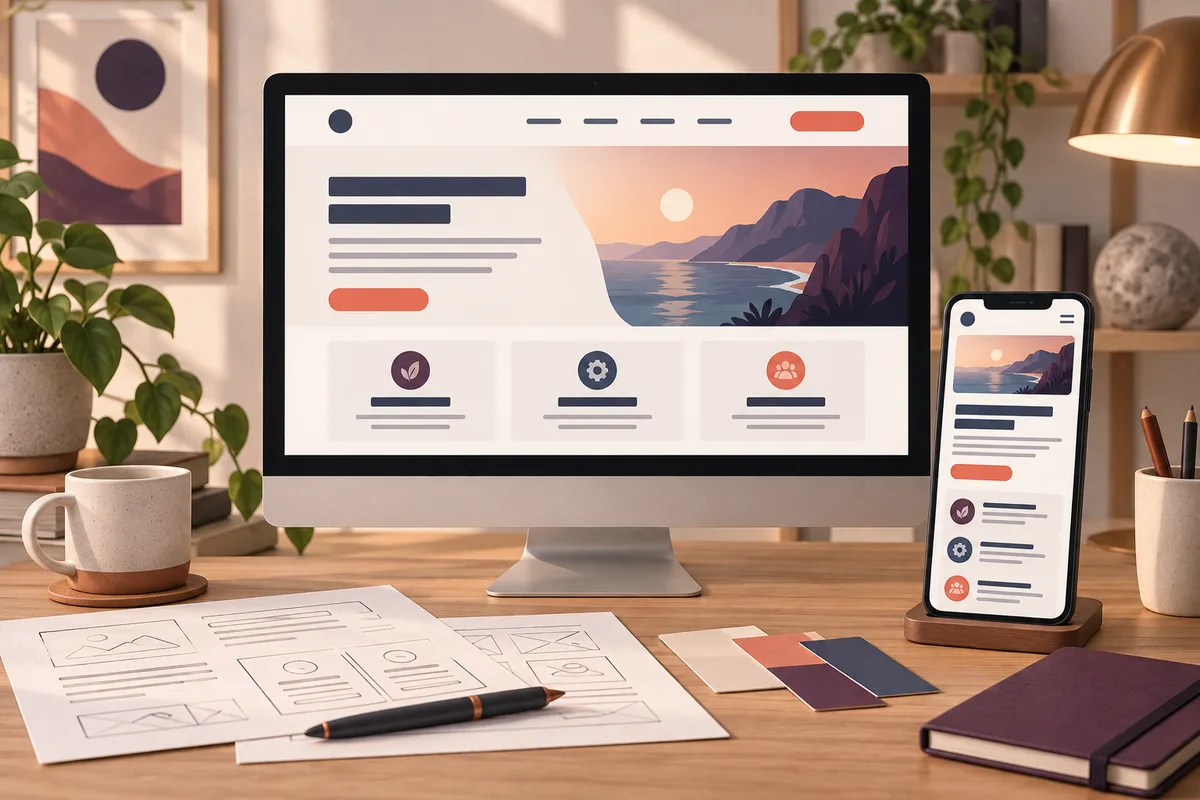
The web-design concept shown here is AI-generated and illustrates responsive planning. It is not a completed Layton website or a claim of client work.
Look at completed sites and ask what applies
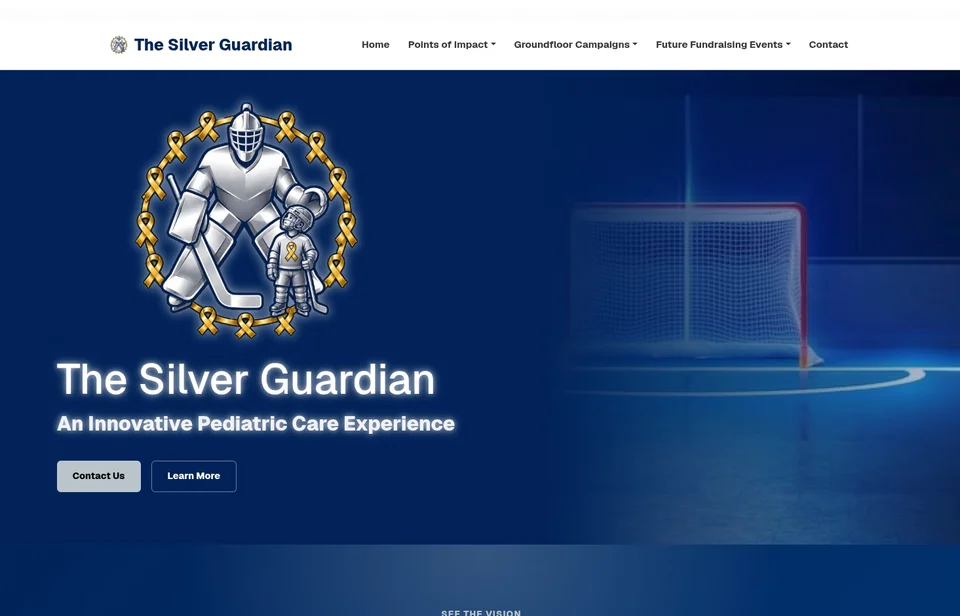
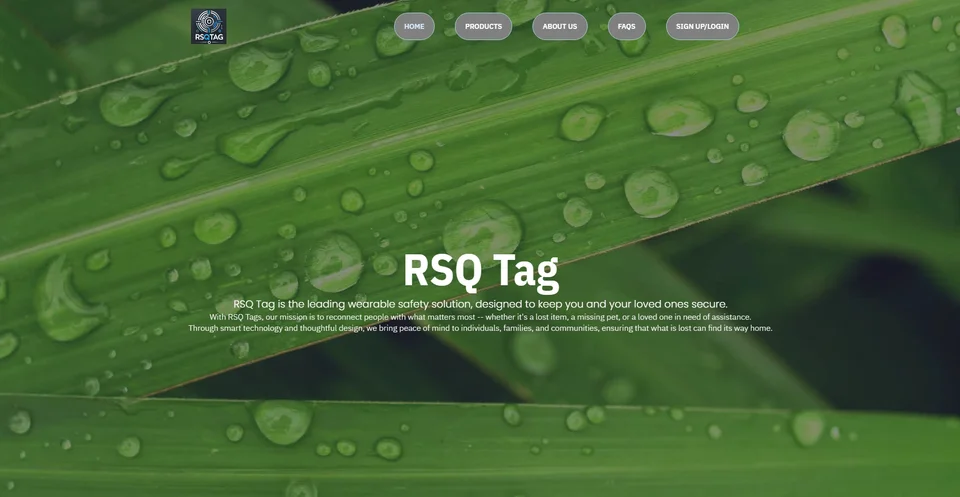
The Galactic portfolio includes The Silver Guardian, RSQ Tag, Utah Roaster Pigs, and Salt Lake City Diamonds websites. These examples are not Layton commissions or measured traffic outcomes. They can help you discuss page hierarchy and visual treatment.
Ask what your team will need to edit and what information your customers compare. The best pattern from a portfolio page may change when applied to a different offer. Our studio background provides additional context.
If the website needs coordinated print materials or a stronger mark, explore Layton graphic design and Layton logo design. Nearby Bountiful and Ogden pages offer regional context.

Questions about web development in Layton
Can an existing Layton site be improved?
Often. Review its structure, content, technical condition, and editing needs before deciding between focused changes and a rebuild.
What should we prepare?
Bring current pages, service facts, approved imagery, recurring questions, and account access. Identify who approves factual content.
Will the site work on phones?
Responsive behavior should be planned and checked on actual pages, forms, and navigation at small widths.
Can our team update it?
Agree on editing access, guidance, account ownership, and what changes need development support before launch.
How long will it take?
Timing depends on pages, content readiness, integrations, and review. A project-specific schedule is more reliable than a generic promise.
Ready for a useful next step?
Build a website that leads to a better first conversation.
Tell us what customers need to understand and where your current materials fall short. We can discuss a focused scope for your Layton business and the information needed to begin.
Discuss your Layton project