
Clear services, clear coverage, a useful next step
Web development for Bryn Mawr-Skyway businesses
Galactic Digital Studios builds websites for small businesses in Bryn Mawr-Skyway, Washington. We focus on the questions that help someone decide whether to hire you: what you offer, where you work, what the process involves, and how to begin. The design and development should make those answers easy to find.
King County describes West Hill as an unincorporated area surrounded by Seattle, Renton, and Tukwila. For a business serving Bryn Mawr-Skyway, that makes location wording a practical part of the content plan. Your website should distinguish a business location from the neighborhoods where you provide services.
We can help organize a first website or rethink an existing one that leaves customers guessing. Start with the work you want more of and the information your team needs to assess an inquiry. Those priorities should shape the page structure before development begins.
Help visitors find the right path
Organize the site around customer decisions
Choose a relevant service
Use labels a customer understands and explain meaningful differences between offers. Internal department names or unexplained technical terms can make an otherwise simple choice harder than it needs to be.
Check the practical fit
Include service boundaries, visit arrangements, preparation requirements, or project criteria where relevant. A visitor should be able to rule a service in or out without completing a long form first.
Make an informed inquiry
Ask for the information that helps your team respond. Explain what submission starts and what happens next. The form should match the service described on the page that led to it.
Explain the service area in words people can use
A map can orient someone, but the site also needs a readable explanation. State whether customers come to a location, your team travels to them, or the service is delivered remotely. Describe exceptions and appointment arrangements when those affect a customer's decision.
For a hypothetical repair provider, useful information might include the types of work accepted and which locations require discussion before scheduling. For a specialist working by appointment, it might explain the difference between requesting a consultation and booking a confirmed time. These are examples to help define requirements, not local client claims.
A business does not need a separate page for every nearby place name. Add a location page when it can explain something useful, such as a different service arrangement or relevant work. Repeated city lists cannot replace an accurate description of the offer.
Make useful content easy to act on
Connect the page, the interface, and the response
Galactic's approach brings content and development together. We consider what someone needs to know before an action, which information the interface should collect, and what confirmation should follow. This helps avoid a polished page that leads into an unclear or disconnected experience.
Mobile layouts, readable type, keyboard navigation, and labeled form fields belong in that work. A missing required answer should produce useful feedback. Important service information should remain available as text rather than existing only inside an image or downloadable document.
Clear headings and focused explanations help readers understand the business and give search systems useful context. Consistent identity supports credibility, while appropriate actions can support leads. A sound website also gives you a foundation to improve over time. These choices cannot guarantee rankings, AI-summary inclusion, or a particular volume of inquiries.
Compare website proposals beyond the page count
Ask what content, design, forms, integrations, and launch work the proposal includes. A small site with booking or payment connections can require more coordination than several straightforward information pages. Confirm who supplies text and images and who approves business details.
For an existing site, review important URLs and useful content before replacing anything. Identify redirects, connected accounts, and access to the domain and hosting. Plan how an inquiry reaches the responsible person and how the team will know a submission succeeded.
Discuss routine updates and ongoing technical work separately. Your team may need to edit service descriptions without managing every maintenance task. Clarify hosting, recurring subscriptions, support, and any training or documentation included in the handoff.
Budget and timing depend on the agreed requirements, content readiness, custom features, and review turnaround. Coordinate logo design or graphic design if missing assets would otherwise hold up the build. A clear first-launch scope can leave room for later improvements without leaving visitors stranded.
Plan, build, check, hand over
A website process with clear review points
Gather the business requirements
Review services, coverage, customer questions, and existing content. Identify essential actions and technical connections. Agree on priorities and the people responsible for content and approvals.
Arrange and design the information
Develop a page structure around customer decisions. Review realistic content in representative layouts. Resolve navigation and major content gaps before building every page.
Build the experience
Develop the agreed pages and interactions. Check layouts on different screen sizes, keyboard use, form behavior, and any external handoffs. Include error and confirmation states in the review.
Check launch readiness
Verify key links, metadata, redirects, and access. Confirm how your team handles inquiries and maintains information. Separate completed launch requirements from the next round of improvements.
Use examples to ask better project questions
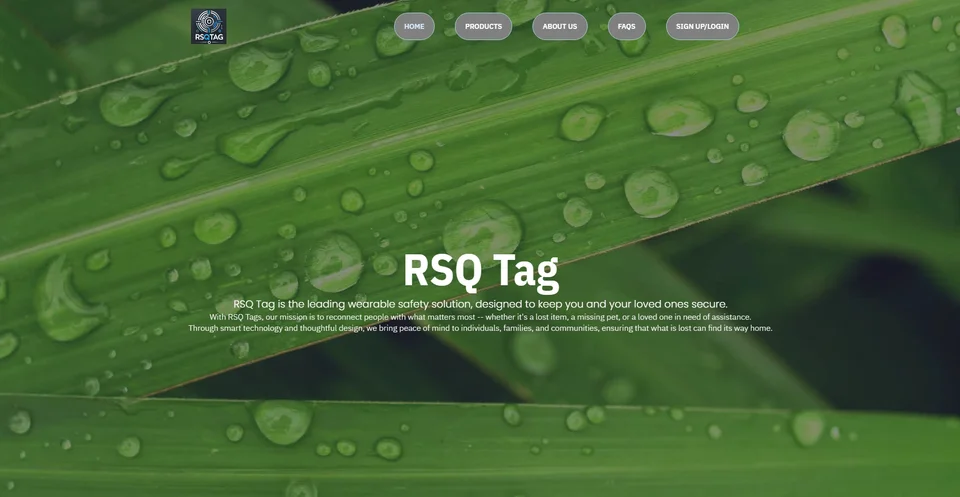
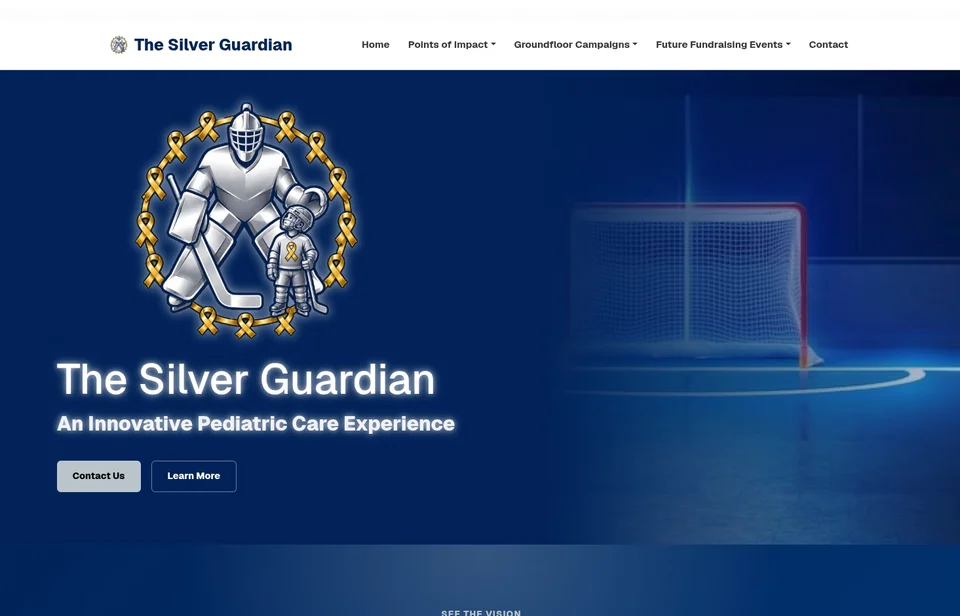
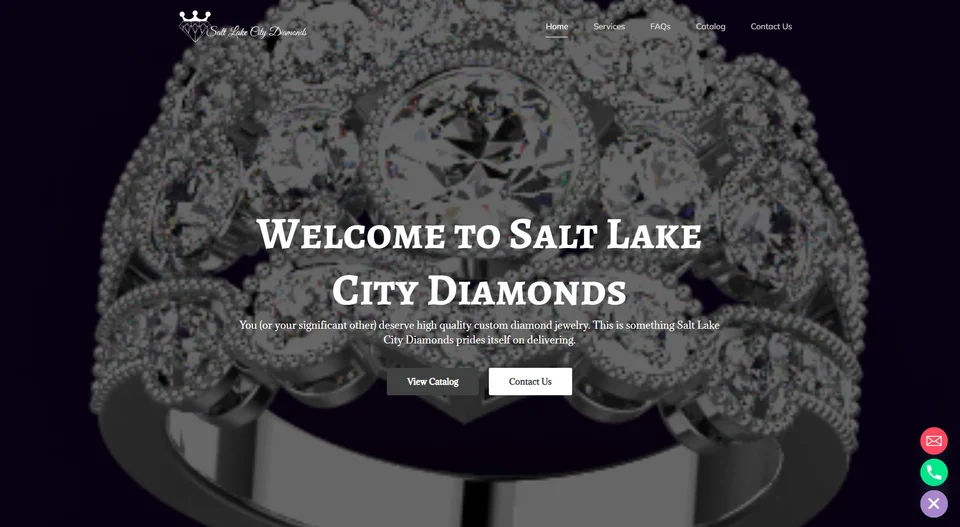
The website examples shown here include RSQ Tag, The Silver Guardian, Salt Lake City Diamonds, and Utah Roaster Pigs. They are selections from Galactic's existing portfolio, showing different visual treatments and approaches to page organization.
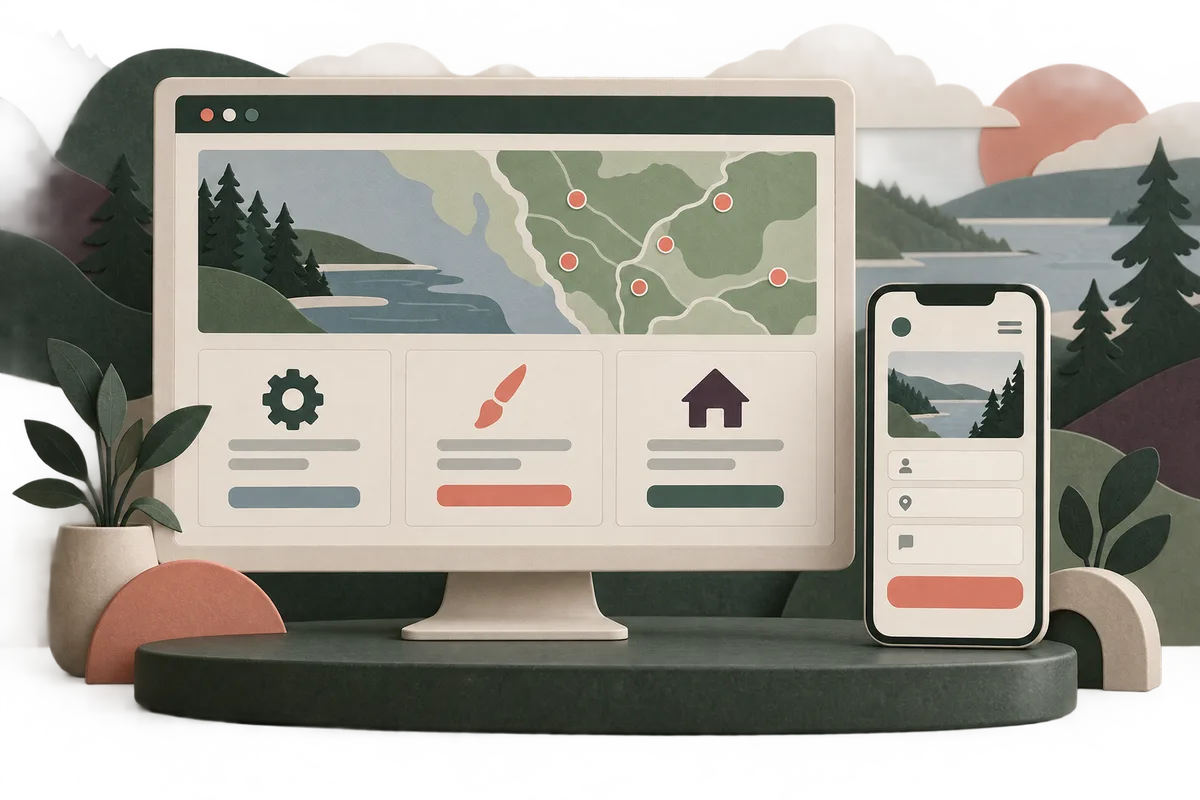
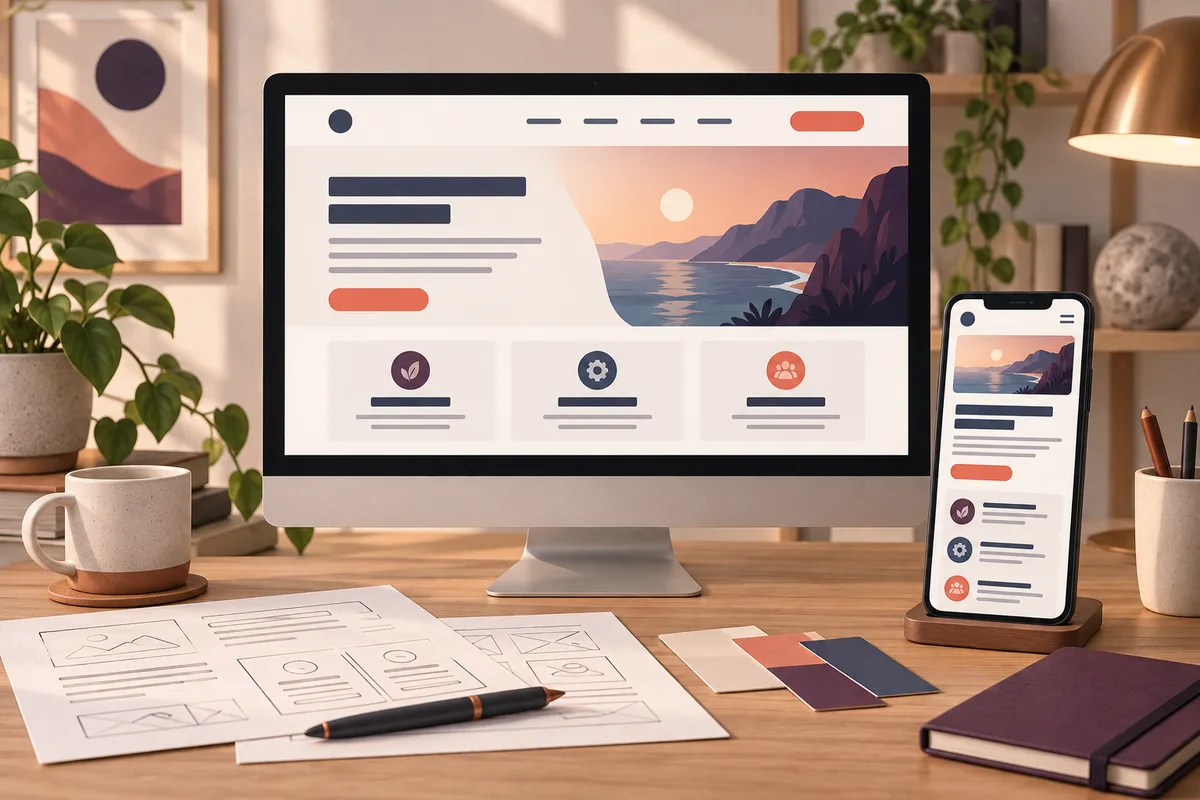
The responsive web design illustration is an AI-generated concept showing desktop and mobile layouts, wireframes, and color planning. It is separate from the client portfolio examples and does not represent a completed customer project.
Look at how the information is grouped and which elements receive attention. Then ask how those decisions would change for your services. Screenshots help discuss design; they do not establish your future editing access, integration reliability, or business results. Those requirements belong in your project scope.
Galactic started in Ogden in 2015 as Galactic Web Solutions. Explore the portfolio and studio background to understand the work behind the proposal. The examples are not presented as Bryn Mawr-Skyway client projects.
Serve the neighborhood without assuming every visitor knows it
The Skyway-West Hill plan describes a mix of retail, personal services, and other commercial activity. A website for a walk-in business will need different information from one for a provider assessing projects before accepting them.
Let your actual customers guide the language and detail. If additional language versions are needed, identify who supplies and checks the translations and how future edits stay aligned. Clear page organization benefits every version, but translation needs its own review process.
For broader coverage, see Renton web development and Tukwila web development. The Bryn Mawr-Skyway services overview connects the website with your identity and customer materials.

Bryn Mawr-Skyway web development questions
How should a service-area business describe its location?
Distinguish where the business operates from where customers can visit. Explain real coverage and appointment requirements in readable text. Avoid implying public offices in every place you serve.
Do we need a page for each neighborhood?
Only when each page can answer a useful, distinct question. Start with strong service information and an accurate coverage explanation before adding location pages that repeat the same content.
Can an existing booking tool stay in place?
Review its capabilities, account access, costs, and customer flow during discovery. Keeping a suitable tool may be practical, but the connection and mobile experience still need to be checked.
Who writes the website content?
Agree on that responsibility in the scope. Galactic can help organize and develop the message, while your team verifies service details and business claims. Identify required approvals before layouts depend on final text.
What should we expect after launch?
Confirm content editing, technical maintenance, hosting, and support arrangements before launch. A website stays useful when someone owns the ongoing responsibility for accurate information and working interactions.
Turn uncertainty into a useful next step
Give your customers a website that answers the practical questions.
Bring the services you want to explain and the questions your team keeps answering. We can plan a Bryn Mawr-Skyway website that makes the offer clearer and helps the right people begin.
Discuss your Bryn Mawr-Skyway website