

A Kent website must match the way its customers decide
Kent has a varied commercial landscape. The city describes residential, retail, warehousing, light manufacturing, wholesaling, and farming activity. A website for a local service team and one for a specialized supplier therefore need different routes through the information. We start with the buyer and the offer rather than assuming one generic homepage can serve every inquiry.
A potential customer may need an immediate answer about service area or hours. A procurement contact may need capabilities, specifications, and a route to discuss custom requirements. These are hypothetical use cases, not claims about measured Kent traffic. In both cases, the site should make the next step clear and should not imply a promise the business cannot honor.
Galactic Digital Studios develops websites for small businesses that need clear information architecture, responsive presentation, and a manageable path for updates. The goal is a site your team can use as the business changes.
Put the most useful answer on the right page
Organize the site around distinct services and decisions. A visitor should be able to identify what you offer, who it is for, where it is available, and what an inquiry starts. If a service has eligibility rules, lead times, or important exclusions, put those qualifications near the claim they explain.
A useful Kent services overview can direct visitors to relevant detail. Individual service pages can answer deeper questions without making the homepage carry everything. Navigation labels should use customer language rather than internal department names. Clear links between related pages help people continue research without guessing.
Forms should request enough information to start a useful exchange, while avoiding unnecessary fields. The site can distinguish a request for information from a confirmed order or booking. That distinction builds trust and reduces avoidable back-and-forth.
Decide what the build includes before comparing proposals
A website quote should state which pages, content tasks, designs, integrations, forms, and migration work are included. Clarify who supplies photography, service descriptions, policies, and product details. If an old site exists, decide what to retain, redirect, rewrite, or remove. These choices affect schedule and cost more than a headline page count alone.
Ask about mobile layouts, accessibility, editing access, hosting responsibilities, and post-launch support. A business should know how to change hours or service information and what work requires development help. Ownership of accounts and agreed files should be clear before launch.
If the budget requires phases, prioritize the paths that serve real inquiries. A complete core site with accurate service information is more useful than many unfinished pages. Later expansion can follow evidence from customer questions and actual business changes.
Build for reading, speed, and a useful inquiry
We begin with an outline and content hierarchy, then develop a visual direction that makes the information easy to scan. Responsive layouts keep headings, buttons, and forms usable on smaller screens. Images should support the message and be prepared for appropriate sizes rather than added as decoration.
Good technical SEO supports discovery through descriptive titles, headings, crawlable text, sensible internal links, and correct canonical URLs. Google explains that its AI search features use the same established SEO foundations. No developer can guarantee rankings, citations, or inclusion in an AI summary. We focus on accurate, accessible information people can actually use.
The site should also support credibility after the click. Show evidence you are allowed to use, explain constraints honestly, and make contact routes specific to the action offered. A well-built interface cannot compensate for vague services or outdated terms.

Let’s map the Kent customer questions your website should answer before a quote or inquiry.
Move from source material to a site your team can maintain
Discovery reviews existing pages, goals, audience, and recurring inquiries. Planning maps pages and key actions. Design establishes type, imagery, and layout around real content. Development implements the agreed functionality. Review checks accuracy, accessibility, and behavior on common screen sizes before launch.
The business provides or approves factual details and legal or policy language. Feedback is most useful when it identifies a customer question that remains unanswered. After launch, assign responsibility for updating content and monitoring inquiries; a website is a living business tool.
Timing depends on the number of pages, integrations, content readiness, and feedback. We would discuss a realistic sequence after seeing the actual scope rather than offering a universal deadline.
Use portfolio work to ask better questions
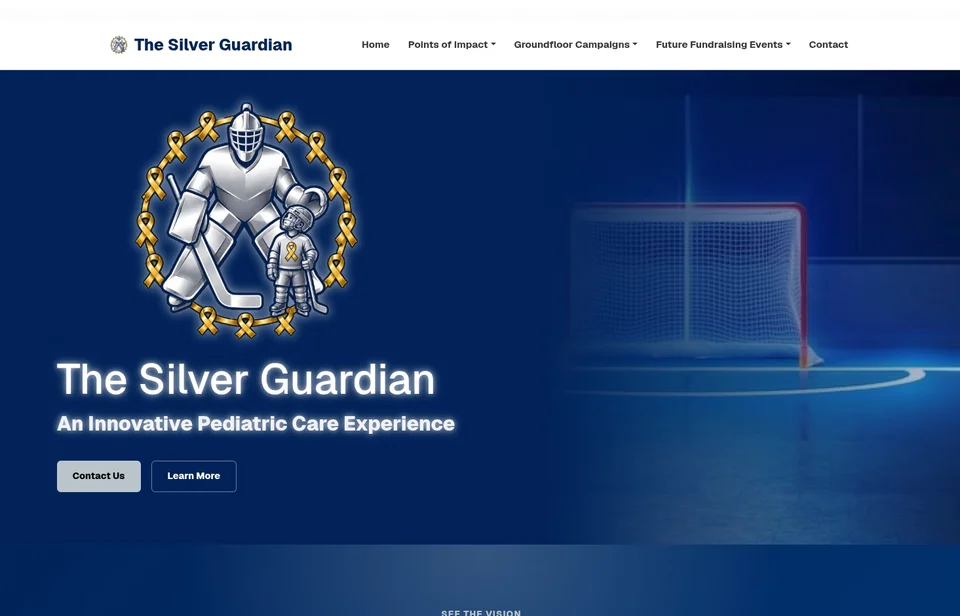
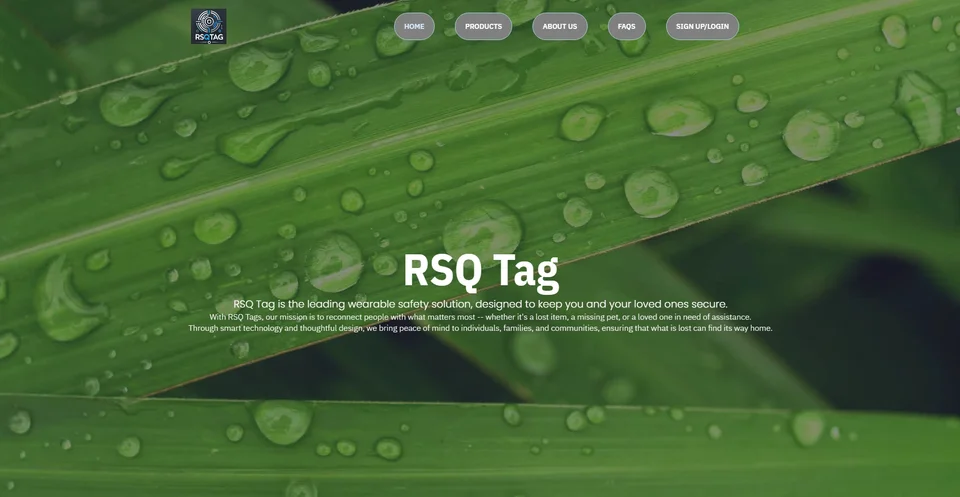
The Galactic portfolio includes website examples for Utah Roaster Pigs, The Silver Guardian, RSQ Tag, and Salt Lake City Diamonds. These are examples of completed work, not Kent projects or proof of a particular traffic result. Review page hierarchy and responsive presentation, then ask which choices translate to your own audience.
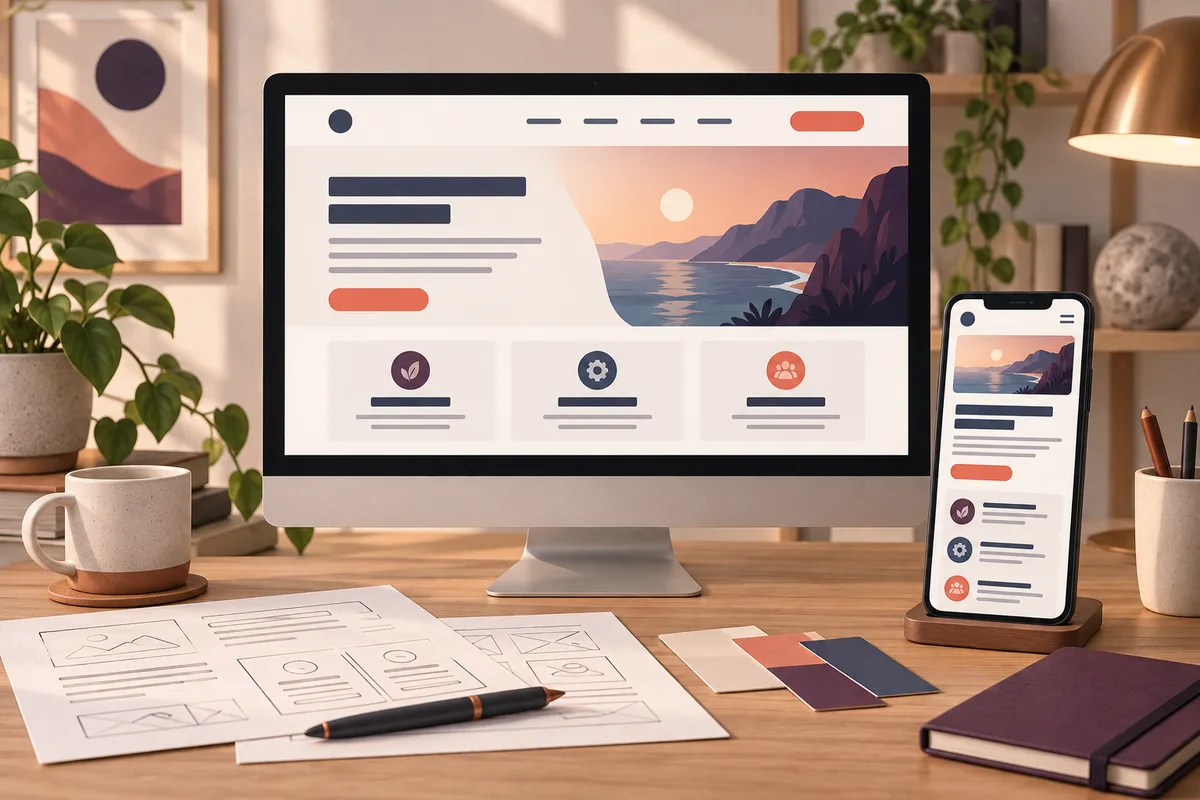
The web-design concept shown here is an AI-generated illustration of planning and responsive layouts. It is not a client site. The portfolio examples should be considered separately from conceptual visuals.
If your site needs coordinated service sheets or a more consistent mark, Kent graphic design and Kent logo design may be useful next steps. See our studio background for context on the team.
Describe your real service territory clearly
A Kent business may serve customers in nearby communities, but its website should distinguish its actual coverage and terms. A service-area statement is useful only when it reflects how the business operates. Separate pages for Auburn or Federal Way should add meaningful differences where they exist, not repeat the same promise under another city name.
For a business with more than one audience, use navigation and content to route people to the correct offer. For example, wholesale and direct-consumer inquiries may need different forms or explanations. The business should confirm that those paths reflect its actual sales process.
Questions about web development in Kent
Can you improve an existing Kent website?
Yes, the right approach depends on its structure and condition. Review content, platform, performance, and editing needs before deciding between focused changes and a rebuild.
What should we prepare for a web project?
Gather current pages, service details, imagery rights, recurring customer questions, and account access. Identify who can approve factual and policy information.
Will the site work on phones?
Responsive layouts are part of a sound scope. Test the actual pages, forms, navigation, and images on small screens rather than relying on a desktop preview.
Can our team update the website?
That should be specified during planning. Agree on editing access, training or guidance, and which changes need technical help.
How soon can a site launch?
Timing depends on page count, content readiness, integrations, and review. A clear scope and prompt approvals make scheduling more reliable; a fixed date requires project-specific agreement.
Ready for a more useful next step?
Turn your Kent website into a clearer route to the right conversation.
Tell us what customers need to understand and where your current materials fall short. We can discuss a focused scope for your Kent business and explain what information the project needs.
Discuss your Kent project