

Serve a downtown visit and a detailed comparison differently
Ogden’s downtown plan centers Historic 25th Street and Union Station, and its general plan considers business and industrial districts beyond downtown. A hypothetical visitor may need hours and access. A regional buyer may need scope, qualifications, and a quote path. These are website tasks, not measured customer behavior.
The homepage should state the offer quickly, then route people to detail they can act on. A 25th Street shop may need its address, hours, categories, and stock inquiry process. A service provider may need territory, constraints, qualifications, and a quote path. Make changing details easy for staff to update.
Galactic Digital Studios develops websites that organize those details into readable pages, responsive layouts, and practical inquiry paths. The site should remain manageable when the offer changes.
Give each service or capability a clear page role
An Ogden homepage can direct a visitor toward shopping, booking, or a business-to-business inquiry. Dedicated pages can explain scope, requirements, exclusions, and the first step. Navigation should use customer terms; internal department labels may mean little to a first-time visitor.
A Ogden services overview can connect digital and design needs. On a customer site, descriptive links should move a person from summary to the relevant detail and then to an action. Avoid producing many shallow pages that repeat the same promise.
Forms should request enough context for a useful first reply without forcing a visitor to complete a long application. A quote request is not a confirmed order. Labels and confirmation messages should reflect the actual business process.
Scope the pages around actual customer tasks
Before requesting a build estimate, list the decisions visitors should be able to make without calling. Can they verify a service area, compare appointment types, see a product category, or check whether a custom request is worth submitting? That list determines page types more reliably than copying the old navigation. Inventory existing pages, downloads, forms, redirects, and images so useful material is retained and stale claims are removed.
For an Ogden business with a storefront, agree who updates opening hours, temporary closures, and availability. For a company quoting specialized work, identify which capabilities may be public and which require a conversation. Content responsibility belongs in the scope alongside design, development, hosting, and migration. Otherwise the finished site may look polished while the most changeable details quietly age.
A proposal should state deliverables, access, review stages, third-party systems, and the handoff plan. Ask who controls the domain and hosting and who can make routine edits. Cost and schedule follow the number of distinct page types, content readiness, integrations, and approval process. A small complete journey is more useful than a larger site filled with placeholder promises.

Build for clarity on a phone and in search
We turn the audience questions into a page map, then write and design around actual answers. A visitor looking up a 25th Street store on a phone needs immediate access to location and visit details. Someone evaluating a service from outside Ogden may need scope, qualifications, examples, and a path to ask a focused question. Headings and buttons should make those routes obvious.
Technically, readable HTML, responsive layout, sensible image sizes, descriptive titles, internal links, and correct canonical pages make the site easier to use and crawl. Google says these established practices also apply to AI features in Search. They are foundations for discoverability, not a promise of rankings, citations, or inquiries. If a business wants to be quoted accurately, its published facts must also be accurate and current.
Design review should include the real page on a narrow screen, not only a desktop mockup. Check navigation, forms, tap targets, contrast, and whether important text sits in an image instead of HTML. A visual of the Ogden arch can orient the page, but customers still need clear words describing the business and its offer.

Let’s map the Ogden buyer questions your website should answer before an inquiry.
Design the first inquiry for a useful reply
Start with the information staff actually need to respond. A booking request might need service choice, preferred window, and location. A custom project inquiry might need the intended use, quantity, and deadline range. Avoid asking for sensitive details too early. State whether the form starts a conversation, requests a quote, or confirms an appointment; those actions are not interchangeable.
A confirmation message should explain what happens next without inventing a response deadline. If the business has limited service territory or requires an on-site assessment, put that qualifier near the form. Clear expectations reduce back-and-forth and help people decide if they have reached the right provider.
After launch, review the questions that keep arriving. If many people ask whether a service covers North Ogden, revise the coverage page. If visitors confuse two options, improve the comparison. Assign a content owner for hours, policies, and qualifications. Website improvement is an operational habit, not a one-time visual event.
If staff also use brochures or PDFs, make the website the current reference for changing terms. Links should lead to the exact page that expands the answer. A stale download and a current service page can create avoidable confusion even when each looks professionally designed.
Move from a page plan to a tested launch
Discovery collects existing content, common questions, account access, and business goals. Planning assigns a job to each page and sets the navigation. Design explores hierarchy with real copy. Development builds responsive templates and agreed functionality. Review covers factual approval, accessibility, links, forms, redirects, and mobile behavior before launch.
The business confirms the facts it alone controls: service boundaries, eligibility, credentials, pricing rules, and policies. A named reviewer can consolidate feedback and prevent conflicting instructions. The project schedule should reflect content and integration dependencies rather than a universal promise.
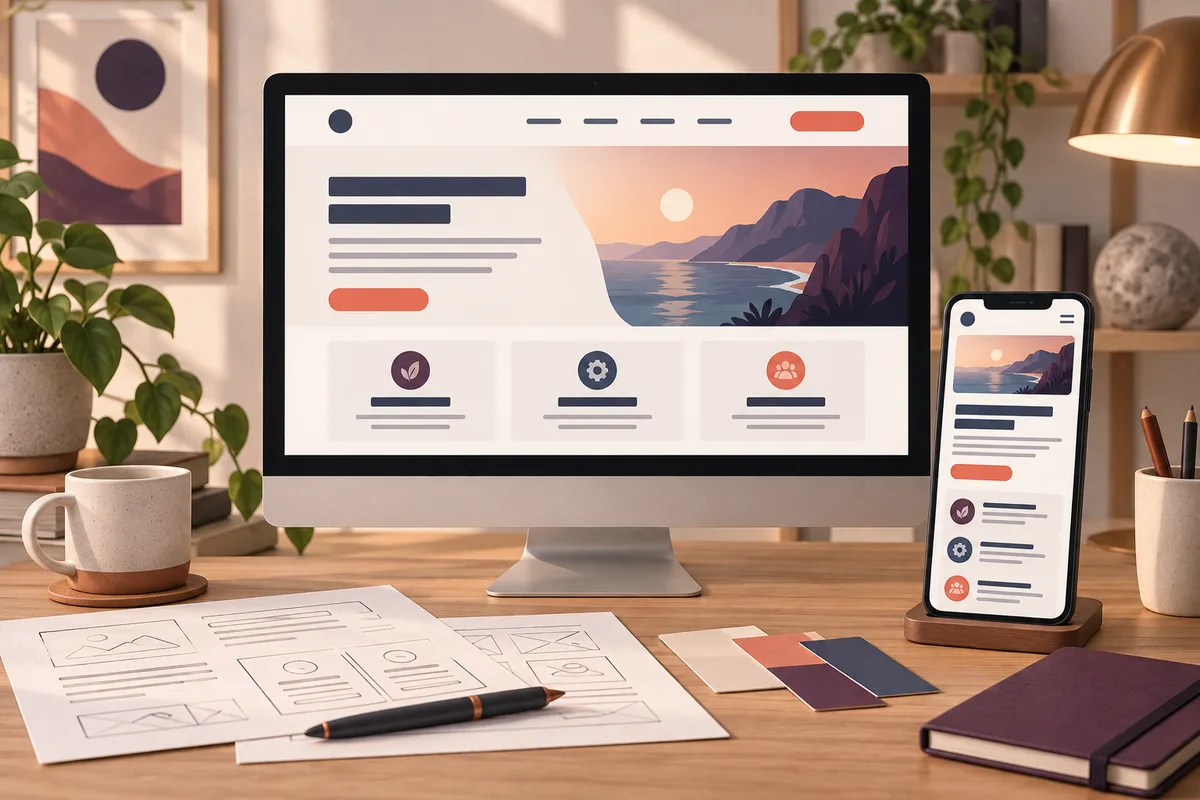
Handoff identifies who controls accounts, edits routine content, and monitors form delivery. The responsive design concept shown on this page is an AI-generated planning illustration. It is separate from the completed portfolio websites and from the original Ogden arch hero artwork.
Use completed sites to frame your requirements
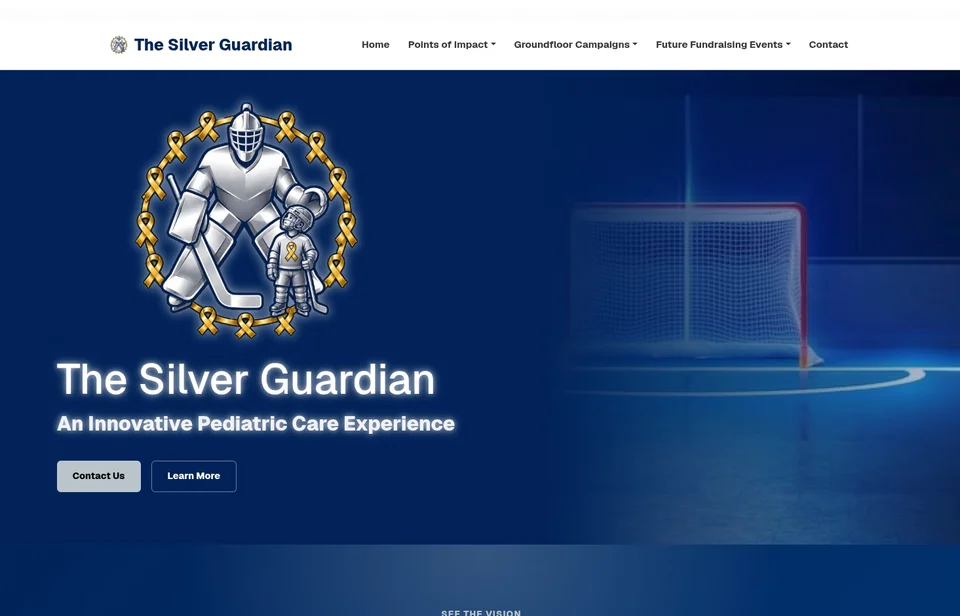
The Galactic portfolio includes Utah Roaster Pigs, RSQ Tag, The Silver Guardian, and Salt Lake City Diamonds websites. These are completed examples, not Ogden commissions or verified traffic results. They can help discuss page hierarchy and presentation.
Ask what your team must edit and what customers compare. A useful pattern from one site may need to change for a different offer. Our studio background gives additional context.
If the website needs a matching capabilities sheet or visual identity, explore Ogden graphic design and Ogden logo design. The North Ogden web page and service areas directory offer regional context.
Questions about web development in Ogden
Can an existing Ogden site be improved?
Often. Review structure, content, technical condition, and editing needs before deciding between focused changes and a rebuild.
What should we prepare?
Bring current pages, approved imagery, service facts, capability details, recurring questions, and account access. Name the factual approver.
Will it work on phones?
Responsive behavior should be planned and checked on actual pages, navigation, and forms at small widths.
Can our team edit it?
Agree on editing access, guidance, account ownership, and which changes need developer support.
How long does a build take?
Timing follows page count, content readiness, integrations, and review. A project-specific schedule is more reliable than a generic promise.
Ready for a useful next step?
Build a website that leads to a better first conversation.
Tell us what customers need to understand and where your current materials fall short. We can discuss a focused scope for your Ogden business and the information needed to begin.
Discuss your Ogden project