

Useful on launch day and afterward
Web development for Bothell businesses that need a site they can keep current
Galactic Digital Studios provides web development for small businesses in Bothell, Washington. We plan websites around customer questions, useful actions, and the everyday work of maintaining accurate information. A successful project should improve the public experience while giving your team a clear understanding of what it will manage after launch.
Bothell’s economic vitality resources describe neighborhood businesses alongside specialized industries, including biomedical manufacturing and aerospace. That range makes a practical brief essential. A company explaining technical capabilities may need different content from a local business arranging appointments, and neither should inherit a website structure that ignores its actual workflow.
We collaborate remotely with Bothell owners to connect those requirements. Bring the services you offer, the questions customers repeat, and the information that changes most often. That is the starting point for a website that remains useful beyond its first release.
Plan the work behind the pages
Separate what stays stable from what needs updating
Core service information
Your offer, process, and intended customer need a clear structure. These pages should explain the business accurately and provide a durable foundation for navigation, related content, and customer inquiries.
Changing details
Availability, team information, events, or selected work may change more frequently. Identify who will maintain those details and how often. Editing needs should influence the implementation before it is chosen.
Connected actions
Forms, booking links, and other tools need defined responsibilities. Decide where information goes, who responds, and how a visitor knows the action worked. A polished button is only one part of that journey.
Build around the questions your team already answers
A website can reduce uncertainty by explaining the details that repeatedly appear in early customer conversations. What do you handle? What information helps you assess a request? What should someone expect before a first appointment or discussion? Specific answers give people a useful starting point.
For a hypothetical Bothell maintenance business, this might mean separating routine service from a larger project request. For a technical supplier, it could mean explaining capability categories without publishing information that requires a private discussion. These are possible content needs, not claims of completed local work.
We can review existing pages, documents, and recurring questions to decide what belongs online. Business claims should be approved by someone who knows the work. If a service changes, its description, related links, and inquiry instructions should continue to agree with one another rather than leaving customers to resolve conflicting information.
Clarity customers can act on
Design the public experience and the update process together
Galactic’s strategic approach considers the visitor’s task alongside the team’s responsibilities. We organize content into a sensible hierarchy, establish a visual direction that fits the business, and develop the agreed interactions. The tools should serve those requirements rather than become the reason the site is difficult to maintain.
Usability includes the small details: descriptive links, readable mobile layouts, meaningful field labels, and understandable confirmation or error messages. A person using a keyboard should be able to follow the same essential journey. We review these behaviors in context, not only the appearance of the homepage.
Accurate service information supports credibility. Consistent identity reinforces branding. Clear headings and internal links help people and search systems understand the content, while a relevant action can support inquiries. Those improvements contribute to visibility and long-term growth without guaranteeing rankings, AI-answer inclusion, or lead volume.

Ask what is included in the rebuild and what follows it
A proposal should explain content preparation, migration, layouts, functionality, integrations, and review. The work required for a website depends on those details, not only its number of pages. Share any systems you expect to retain and describe how they are used today.
For an existing site, inventory important URLs and useful content before replacing it. Plan what should remain, what needs revision, and where redirects are required. Confirm domain, hosting, and account access early so launch does not depend on finding credentials at the last minute.
Discuss recurring services, maintenance, routine editing, and additional development as separate responsibilities. If your team expects to change staff profiles or service descriptions, identify those tasks in the brief. Agree on the editing tools and handoff rather than assuming that access alone makes every change straightforward.
Content readiness, custom functionality, migration, and review availability affect budget and timing. If the identity or imagery is changing, coordinate Bothell logo design and graphic design with development so representative pages can be reviewed using realistic assets.
Make responsibilities visible
A website process that includes the handoff
Review the site and its owners
Identify the audiences, current content, connected accounts, and people responsible for updates. Gather repeated customer questions and agree on the actions the site needs to support.
Plan the structure and direction
Map the pages around the information people need. Establish representative layouts and content responsibilities. Resolve important service or navigation questions before building every page.
Develop and test real journeys
Build with realistic text and imagery. Check forms, links, responsive layouts, and keyboard use. Include the handoff into any external tool and the response a customer sees afterward.
Launch with upkeep agreed
Review key URLs, metadata, redirects, and access. Explain the agreed editing arrangements and record maintenance responsibilities. Identify future improvements separately from the completed launch scope.
Use website examples to start a practical conversation
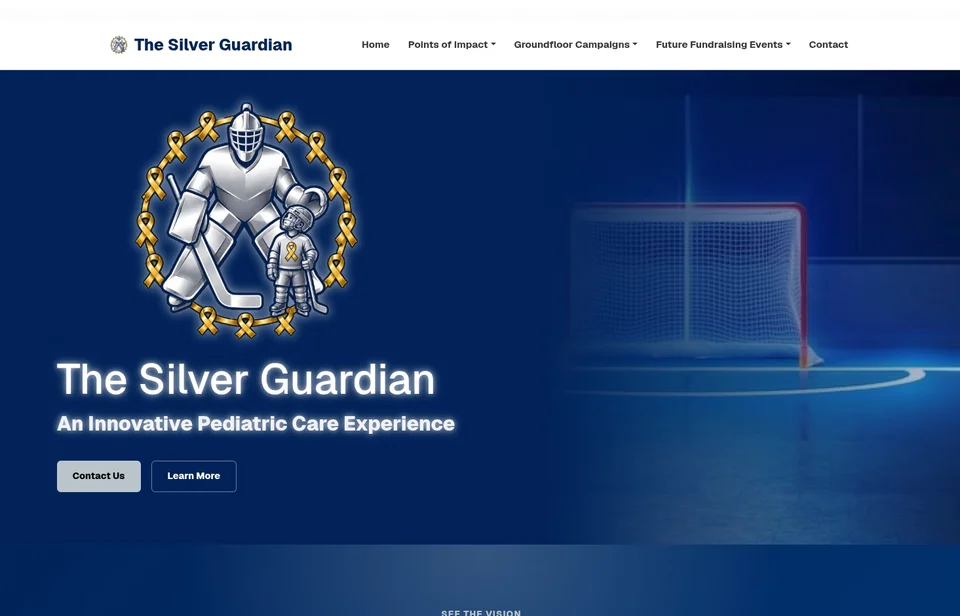
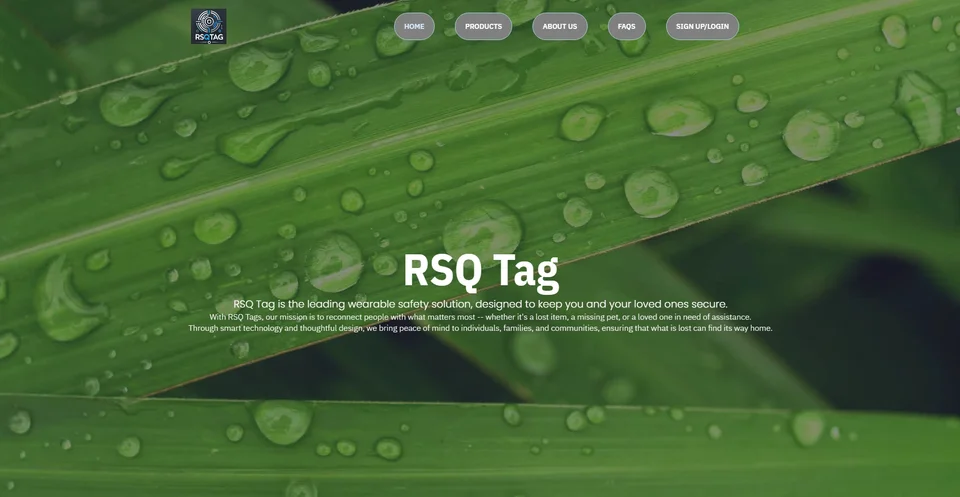
The screenshots on this page come from Galactic’s existing portfolio, including The Silver Guardian, RSQ Tag, Salt Lake City Diamonds, and Utah Roaster Pigs. They demonstrate different visual and content approaches, with project names shown in the captions.
The responsive web design illustration is an AI-generated concept showing desktop and mobile layouts, wireframes, and color planning. It is separate from the client portfolio examples and does not represent a completed customer project.
These selections are not presented as Bothell projects or evidence of a specific conversion result. A screenshot can help you discuss hierarchy and style, but it cannot show who controls the hosting or how a form is maintained. Ask about those operational details when evaluating your own proposal.
Galactic began in 2015 as Galactic Web Solutions and later expanded into related design services. Explore the portfolio and studio background to understand the work. Clear deliverables and a realistic handoff are part of assessing whether the approach fits your team.

Explain the service area in terms a customer can use
Bothell’s economic development element identifies downtown, North Creek, and Canyon Park as employment concentrations. Your website should make clear how your business serves its particular customers within or beyond that setting.
If people visit you, explain the practical arrangements they need before arriving. If your team travels, describe actual coverage and the situations that require a discussion. If the work happens remotely, explain that process. A location label should not leave the delivery model ambiguous.
For a wider regional presence, explore Kirkland web development and Everett web development. The Bothell digital services overview connects the website with the identity and materials surrounding it.

Bothell web development questions
Can you rebuild the site without discarding useful content?
Yes. Review the existing pages before deciding what to replace. Useful material can be retained or reorganized, while outdated details need approval and revision. Important URLs should be included in migration planning.
How do we choose what our team should edit?
List the changes you expect to make regularly and who will make them. That gives the project concrete editing requirements and helps define suitable tools, permissions, and handoff guidance.
Can we keep our current inquiry or booking tool?
It should be reviewed against the intended workflow. Share the tool and account arrangements so compatibility, customer handoff, and maintenance responsibilities can be assessed before implementation.
What if our business details are not ready?
Identify the missing decisions early and assign someone to resolve them. A draft can support planning, but unapproved service information can create rework. Content readiness should be reflected in the timeline.
Does the project include ongoing maintenance?
That depends on the agreed scope. Confirm routine updates, technical maintenance, support, and new development separately so you understand what happens after launch and what requires additional work.
A clearer site, a workable foundation
Build for the people visiting and the people updating.
Your website should help customers understand your Bothell business without becoming another source of confusion for your team. Bring the information and workflows that matter, and let’s plan a site that serves both.
Discuss your Bothell website