
Kirkland has more than one kind of customer journey
The City of Kirkland identifies Greater Downtown and Totem Lake as urban centers. Downtown combines commercial and residential uses; Totem Lake includes retail, office, housing, and a medical center. The city's economic development plan also recognizes other commercial areas. Those facts matter because a walk-in customer, a patient researching a provider, and a buyer evaluating a business service need different kinds of information.
We do not presume that every Kirkland business serves visitors or technology companies. A neighborhood service may depend on clear hours and boundaries. A professional practice may need to explain fit and process. A company serving other businesses may need a capabilities story and a useful inquiry route. These are hypothetical examples that guide discovery, not local client claims.
Galactic Digital Studios helps small businesses make those decisions visible through web development, graphic design, and logo design. We start with the offer and the audience, then select the media that will help people understand and remember it.
Find the gap before choosing the deliverable
If a website attracts visitors but hides its service distinctions, restructure the pages and headings. If staff repeatedly explain the same choices in person, a concise guide or comparison may help. If a company looks different on every surface, a consistent identity system may be the foundation. A good first project solves a specific communication problem rather than checking off a list of trendy assets.
Kirkland web development can give complex services room to be explained. Kirkland graphic design can carry the explanation into presentations, printed pieces, and digital follow-up. Kirkland logo design can make those materials recognizably connected. Each service has a different scope and handoff.
Clear presentation can support credibility and useful inquiries. It does not create demand on its own. Pricing, reputation, availability, competition, and the quality of follow-up also influence what happens after someone sees the work.
Plan around real questions and responsible claims
Bring the customer questions your team answers most often. Which services get confused? What must someone know before booking or requesting a quote? Are there requirements, limits, or preparation steps that change the decision? The answers can reveal whether the right output is a clearer page, a downloadable guide, or a more coherent set of brand materials.
Gather current copy, images you have rights to use, product or service facts, and any existing brand files. Identify who approves the final claims. Galactic can organize and present information; your business confirms prices, availability, policies, qualifications, and other commitments customers will rely on.
Compare proposals by deliverables and responsibilities. Ask about copy work, number of pages or applications, production files, website access, review stages, and maintenance. Cost and timing depend on those details, the readiness of source material, and the people involved in approval.
Build one understandable story across touchpoints
Our process begins with audience and goals, then moves to information hierarchy and visual direction. We use plain headings and accurate examples so a customer can find an answer quickly or read more deeply. A recognizable identity supports continuity when the same business appears on a page, a document, and a sign.
For a hypothetical Totem Lake service provider, a website could separate new-customer steps from ongoing support. For a hypothetical downtown shop, a small print piece could explain product choices and direct people to current details online. Neither example represents a Galactic client or a claim about local demand.
Important information belongs in visible text. Search engines and AI-assisted summaries can use clear, crawlable content, but no agency can guarantee a ranking, citation, or lead volume. We focus on a useful customer experience and honest descriptions of what the business does.
Let’s identify the Kirkland customer question your current materials leave unanswered.
Make the first phase usable by itself
A phased approach can work when each stage solves a complete problem. For example, a focused service page and matching handout can establish terminology that later materials reuse. The sequence should avoid launching an unfinished site or distributing graphics whose terms conflict with the website.
Decide who owns accounts, source files, and content updates. Know which deliverables can be edited by your team and what requires design or development support. These details are especially important when schedules, staff, offerings, or locations change.
Ask how work will be reviewed in its actual setting. A desktop mockup is not a mobile website, and a print preview does not prove the file is ready for a vendor. The project should include checks appropriate to the agreed deliverables.
A practical path from discovery to handoff
Discovery reviews the offer, audience, existing materials, and the decisions customers need to make. Direction establishes the content outline and visual system. Creation produces the agreed pages or assets. Feedback tests accuracy, readability, and fit against real uses. Launch or delivery includes the relevant technical and production checks.
The business supplies or approves facts and provides timely feedback. We document what is delivered, how it should be used, and who keeps it current. A project schedule can be set after scope and source materials are understood, rather than promised without context.
Afterward, listen for questions that still cause confusion. They are useful evidence for a targeted improvement, whether that means clearer copy, a new graphic, or a different path through the website.

Use real work as a conversation starter
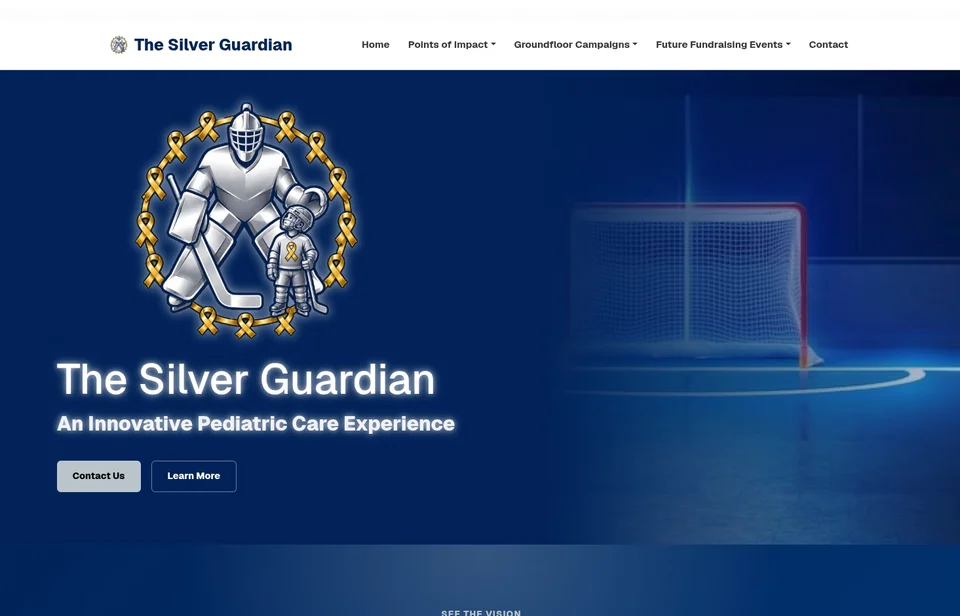
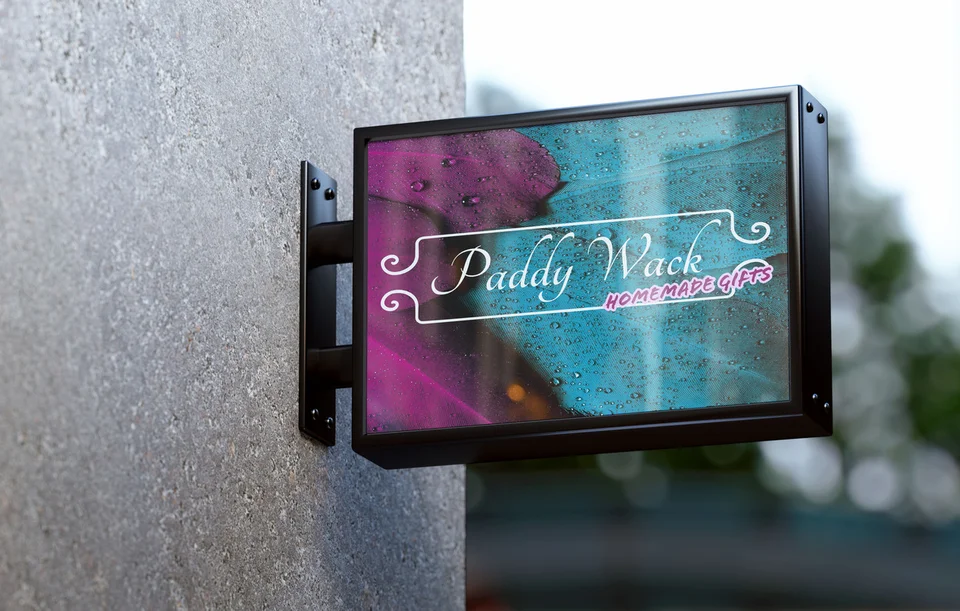
The Galactic portfolio includes The Silver Guardian website, Paddy Wack Homemade Gifts graphics, and Sooo Good Lemonade identity work. These are existing examples, not Kirkland commissions or proof of measured results. Look at how content, hierarchy, and visuals work together, then ask how those decisions would change for your own audience.
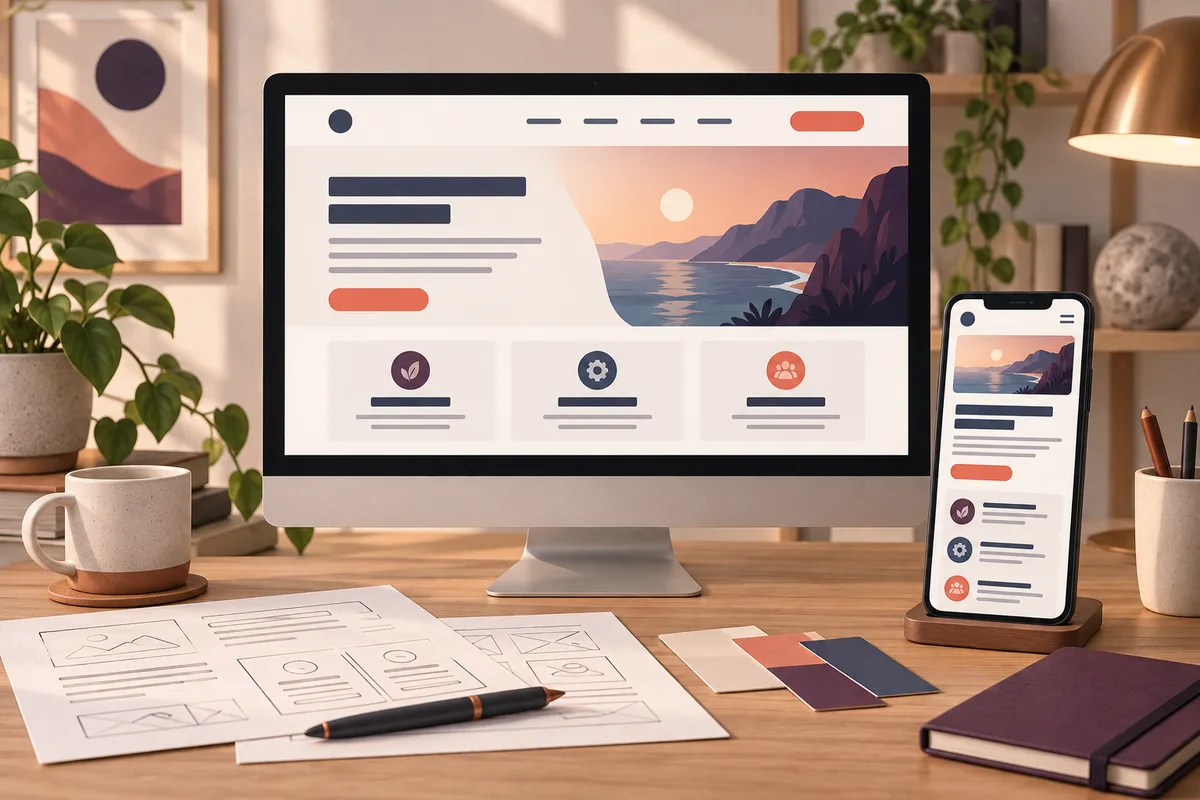
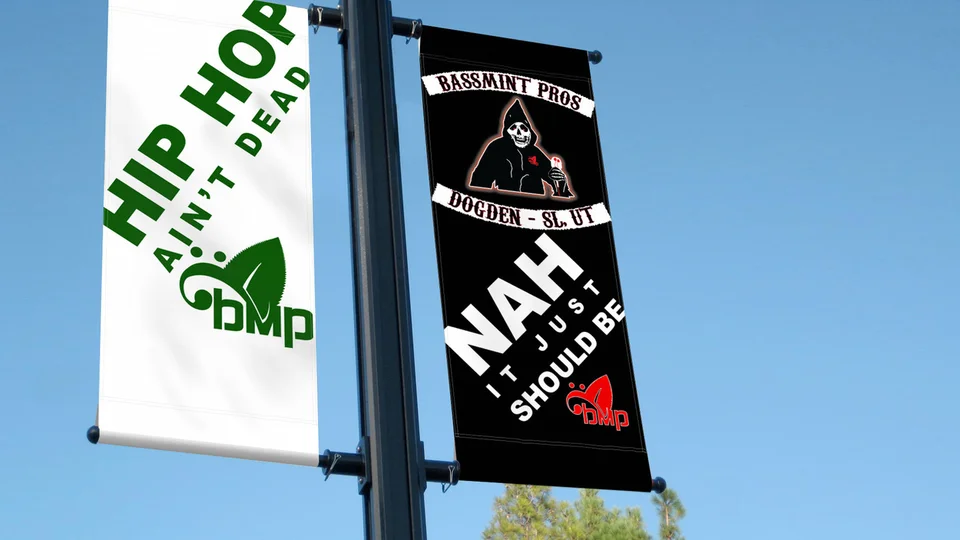
The responsive web-design concept on this page is an AI-generated illustration, separate from client work. Mockup images in the portfolio show possible applications; they should not be treated as verified physical installations. Our studio background gives more context about Galactic.
Businesses serving the wider Eastside can also review Bellevue and Bothell service pages. State your own service area accurately; a city page should never suggest an office or customer relationship that does not exist.

Questions about web and design services in Kirkland
Where should we begin?
Start with a customer decision that your current materials do not support well. Review recurring questions and choose a focused scope that answers them.
Do we need a website, graphics, and logo at once?
Usually the order depends on what already works. A clear offer and sound identity can guide later work, while a pressing website problem may justify an earlier page update.
Can you use our existing brand?
Yes, if its files and rules are usable. We would check legibility, consistency, and the applications in scope before recommending a change.
How are project costs determined?
Cost follows content needs, functionality, number of applications, production requirements, and review complexity. A proposal should name the deliverables and responsibilities.
Will design guarantee new customers?
No. Clearer information can help people assess fit, but demand, reputation, price, competition, and follow-up also affect outcomes.
Ready for a useful next step?
Give customers a clearer reason to keep the conversation going.
Tell us what your customers need to understand and which materials currently make that difficult. We can discuss a focused project for your Kirkland business and the information needed to begin.
Discuss your Kirkland project