

A small city still needs specific customer answers
Sunset City’s general plan describes existing commercial areas and proposes future work along the 1800 North corridor. The town center code background locates current commercial activity along Main Street with smaller pockets elsewhere. Future goals should not be presented as operating storefronts today.
A hypothetical neighborhood shop may need accurate visit details. A service provider may work in Sunset and surrounding Davis County communities. A specialist may serve customers remotely. Their pages and materials should name their real coverage, hours or availability, and the next step rather than assume every customer needs the same message.
Galactic Digital Studios connects website content, graphics, and identity rules to those questions. Sunset is a real city, but this page does not claim a local Galactic office or client history. Local relevance comes from useful facts about the business, not just repeating the city name or adding a mountain illustration.
Start with the gap that stops a customer
If visitors cannot tell what the business does or whether it serves their address, website content may be the first priority. If staff repeat the same explanation at every estimate, a service sheet can help. If the website, sign, and documents look unrelated, identity rules may be the foundation.
Sunset web development can organize detailed answers and inquiries. Sunset graphic design can summarize information across print and digital pieces. Sunset logo design can support recognition across both. The order depends on what already works and what later work needs.
Clearer communication can support credibility and better-fit inquiries. It cannot guarantee rankings, sales, or a lead count. Price, availability, reputation, competition, and follow-up also influence results. Define one practical improvement before asking for a broad redesign.

Collect facts before choosing a look
List the audiences you serve and the questions they ask before buying. Do they need a visit address, service boundary, eligibility rule, preparation step, or qualification? State what is confirmed and what the owner still needs to approve. A designer should not invent policy or availability to fill an empty layout.
Gather approved descriptions, current pages, usable photos, brand files, forms, and printed materials. Decide who can verify facts and who will consolidate feedback. If copy must be written or old information corrected, include that work in the scope. An attractive image will not make unclear services understandable.
Decide which channels are needed now. The website can hold current details; a handout can support a conversation; an identity guide can connect both. Ask for the formats the team actually uses, including responsive web layouts and print specifications where relevant.

Connect the message across touchpoints
Galactic begins with the customer decision and the business goal. We organize content and visual hierarchy around those needs. A useful design makes the important answer easy to find while visual choices reinforce, rather than replace, the message.
A flyer should point to a page that explains the same offer. A contact form should ask questions appropriate to the next conversation. A logo should reproduce well on both. When channels disagree, customers must guess which information is current and staff must resolve avoidable confusion.
Work can be phased. Start with one complete improvement, such as a service page, a small group of graphics, or an identity refresh. Define what will be usable at handoff and what can follow later so the initial project produces a finished tool.

Compare proposals by useful outputs
A website quote should say whether content, forms, mobile testing, and launch work are included. A graphics quote should name sizes and production files. A logo quote should cover practical variants and handoff guidance. Counts of pages, pieces, or concepts alone do not describe those responsibilities.
Cost and timing depend on content readiness, functionality, applications, review roles, and production needs. If a launch date matters, identify the smallest complete first release and the decisions required to reach it. A detailed scope helps owners compare providers without relying on assumptions.
Clarify ownership before work begins. Who controls the domain and accounts? Who can update a page? Which files and usage rights are included? A useful handoff lets the business keep services, hours, and offers accurate without reconstructing the project.
Review the customer path before visual polish
Discovery identifies the audience, current gaps, and source material. A brief or outline makes the proposed work concrete. Early drafts should answer whether someone can understand the service, evaluate fit, and choose the next step. Then refinement can improve layout, imagery, and tone.
Test each output in its real setting. On websites, check phones, links, forms, and keyboard navigation. For graphics, review final sizes and production requirements. For a logo, test small and one-color versions. Feedback is most useful when it identifies a customer problem.
At launch or delivery, confirm approved outputs, access, and any agreed instructions. The owner should know how to update changing details and choose the correct files. Ongoing accuracy makes the initial work more useful.
Use portfolio examples to frame criteria
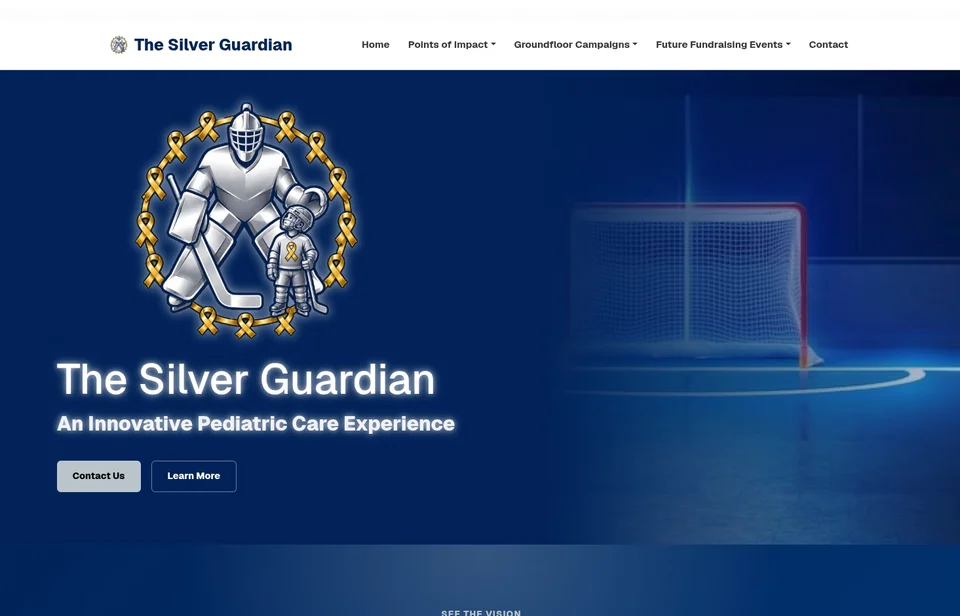
Galactic’s existing portfolio includes websites, graphics, and identities for businesses elsewhere. These examples show completed design output, not Sunset commissions or measured results. Review how they explain services, maintain hierarchy, and guide a reader toward a useful next action.
Bring current materials and a few examples you find clear or confusing. A fit discussion can then focus on the gap your customers encounter rather than copying a portfolio style that belongs to another business. The first need may be content, structure, format, or identity.
If the business serves nearby communities, name only areas it can actually cover. A Sunset page can explain local service details while a broader service page handles regional questions. Avoid near-duplicate location text that gives customers no new information.

Questions about web and design services in Sunset
Where should a small business begin?
Start where customers cannot assess fit or take the next step. Scope one complete improvement before adding channels.
Do we need a new website and logo together?
Not always. The right order depends on what works now and which later work relies on identity or content decisions.
Can materials mention nearby cities?
Yes, if the business serves them. State travel, delivery, or visit boundaries accurately.
What affects cost and timing?
Content readiness, functions, formats, production needs, approvals, and review cycles all affect effort.
Will new design guarantee leads?
No. Clearer communication can support inquiries, while demand, competition, price, and follow-up also matter.
Ready for a useful next step?
Give local customers a clearer way forward.
Share the service, audience, and unanswered question that matter most. We can discuss a useful web or design scope for your Sunset business.
Discuss your Sunset project