

Design for the setting, not a generic city label
Lehi's land-use plan describes historic Main Street and commercial activity along State Street, while the Thanksgiving Point area has a different mix of uses. A piece handed to a local shopper has a different job from a PDF sent after a business inquiry. The actual reader and use setting should determine the format.
A hypothetical service team may need a preparation card. A hypothetical retailer may need a product comparison. A hypothetical company selling to other businesses may need a concise capabilities sheet. These are communication examples, not Galactic Lehi clients or measured demand.
Galactic Digital Studios creates graphic materials that make information easier to find and remember. A strong piece answers a real question and points to an appropriate next step.
Choose one job for the first deliverable
A comparison sheet helps customers see distinctions. A preparation guide sets expectations. A presentation can explain capability and evidence in sequence. A small card can make a next step easy to recall. Trying to fit all of these jobs into one layout usually weakens the message.
Ask what the reader should know or do afterward. If details change frequently, a maintained Lehi website can hold current information while the graphic points people there. Keep important qualifications visible rather than burying them in tiny text.
Good hierarchy makes the main decision obvious. Typography, contrast, spacing, and imagery should support that decision. An attractive visual with missing service details still creates work for the customer.
Give design a clear factual and production brief
Provide audience, distribution setting, dimensions, deadline, approved copy, brand files, and any printer or platform specifications. Name the person who can confirm service terms, prices, and policies. These details let the design respond to the real use.
A proposal should state deliverables, review stages, editable-file expectations, and whether print coordination or size adaptations are included. A social image and a press-ready brochure require different preparation. Cost and timing follow those requirements and the readiness of source material.
If the piece will change often, decide how updates will be handled. A reusable source file or a clear revision arrangement can prevent outdated versions from circulating.
Connect the pieces without forcing identical layouts
We organize the message before applying visual style. A reader should know what matters first, which facts support the claim, and where to go next. The layout should be tested at the actual size and in the actual setting where it will be used.
Existing brand elements can guide the system when files and rules are usable. If the current mark fails across applications, Lehi logo design may need attention before a large set of collateral is produced. That is a sequencing choice, not an automatic package.
Coordinated graphics can support recognition and professional credibility. They cannot guarantee purchases. Distribution, offer quality, price, and follow-up also shape outcomes; design improves the clarity of what customers see.

Let’s turn one repeated Lehi customer explanation into a piece your team can use.
Plan for print, screen, and future updates
A take-home guide may need an accessible digital version. A presentation may need editable diagrams. A social graphic needs accompanying text when critical information cannot be accessed from the image alone. Each format has different dimensions and reading conditions.
Test a piece at the smallest intended size. A heading that looks strong in a large mockup may disappear on a phone. A dense table that works on screen may be cramped in print. Adjust the layout to the medium instead of simply resizing it.
Mockups help review direction but do not prove a piece was printed or installed. Final files should be checked against the actual vendor or platform requirements. Keep approved versions in a shared place so staff do not circulate outdated claims.
When several employees use the same material, document which parts may be customized and which should remain consistent. A service guide that can be updated responsibly is more useful than a perfect-looking PDF nobody knows how to revise. Set a review date for any piece that contains terms likely to change.
From source content to usable files
Discovery gathers facts and identifies the reader’s task. Direction tests hierarchy and visual language. Creation builds the agreed pieces. Feedback checks accuracy, legibility, and whether the next step is clear. Delivery provides the specified formats and usage guidance.
The business confirms factual statements and rights to supplied imagery. If a piece references availability, pricing, or policy, review it before release and assign someone to update it later.
Timing depends on the number of applications, production constraints, content readiness, and reviewers. A realistic schedule includes factual and production checks rather than treating them as last-minute extras.
Use selected work to sharpen your brief
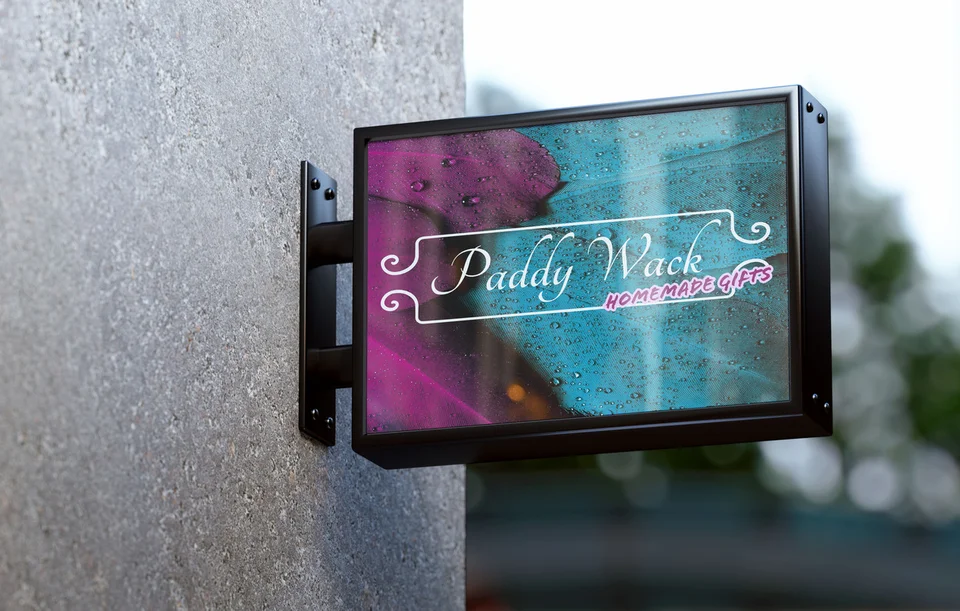
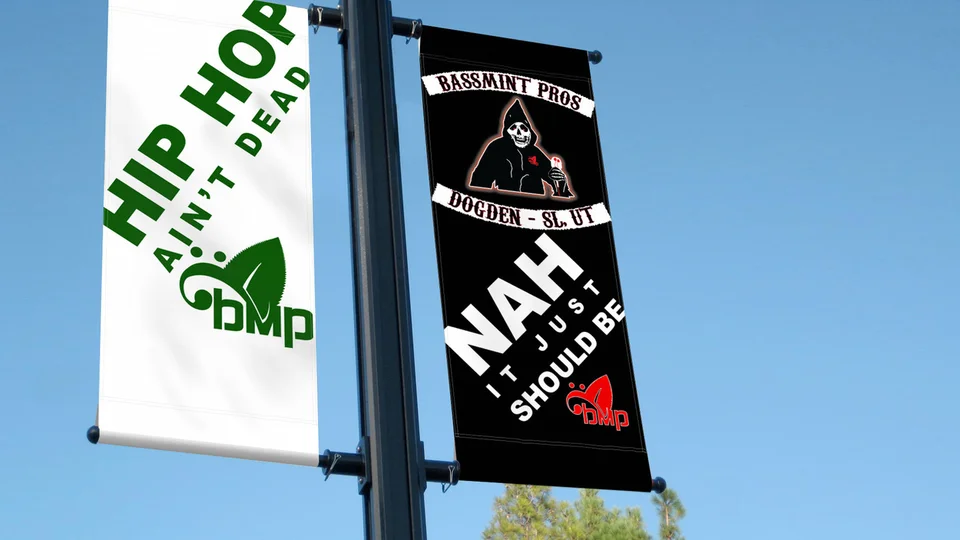
The Galactic portfolio includes graphic presentations for Paddy Wack Homemade Gifts, Bassmint Pros, and an environmental campaign example. These are not Lehi commissions or measured sales results. Some are mockups rather than verified installations.
Ask whether the hierarchy, format, and tone would serve your own reader. A quick retail card and a detailed business proposal should not carry the same density. Our studio background offers more context.
For nearby service-area context, see Lindon and Saratoga Springs. Geographic claims in your own materials should reflect where you actually operate.

Questions about graphic design in Lehi
What graphic should we make first?
Choose the piece that answers a recurring question or supports a specific customer step. Format follows use.
Can you work with our current logo?
Often, after checking file quality, legibility, and consistency across the planned applications.
Will we receive print-ready files?
The proposal should specify formats and production requirements. Share vendor specifications before final artwork.
Who approves the copy?
The business confirms prices, policies, dates, and service facts. Design can clarify them but cannot validate the underlying promise.
Can a piece work in print and digital?
A shared system can connect both, while each format needs its own layout, dimensions, and accessibility review.
Ready for a useful next step?
Make the next explanation easier to understand.
Tell us what customers need to understand and where your current materials fall short. We can discuss a focused scope for your Lehi business and the information needed to begin.
Discuss your Lehi project