

Design a site for the people actually using it
Kirkland's two urban centers include Greater Downtown and Totem Lake. The city describes Totem Lake as a mix of residential, retail, office, and medical uses, while Greater Downtown includes historic commercial areas and the NE 85th Street station area. A site for a local shop may need immediate practical details; a professional service site may need careful explanations of eligibility and process.
That contrast is a planning prompt, not a claim that every Kirkland customer behaves the same way. We ask what people search for, what they need to compare, and what makes an inquiry appropriate. A clear site can then direct different audiences to the information that matters to them.
Galactic Digital Studios develops websites for small businesses that need understandable service architecture, mobile usability, and a sensible way to update changing information. The goal is a site that supports both discovery and the conversation after a visitor reaches it.
Make each page answer a real decision
A homepage should establish who the business serves and route visitors to meaningful detail. Individual pages can explain separate services, requirements, and next steps. Descriptive navigation is more useful than labels based on internal departments or clever wording that a new customer must decode.
For a hypothetical practice, a service page might distinguish an initial consultation from ongoing work. For a hypothetical retailer, product availability and pickup arrangements could be central. These examples are not Galactic projects. Your team provides the real terms; the site structure makes them easy to find.
A Kirkland services overview can connect relevant design work without forcing every topic onto one page. Internal links should help a person continue a task, not simply repeat a location name for search engines.
Define the build before the estimate
Agree on which pages will be written or revised, what imagery is available, which forms or integrations are needed, and whether content or redirects must be migrated. Ask who owns hosting, domains, analytics access, and the finished site. Those details change the work and are essential to comparing proposals fairly.
Editing access is part of usability. A business should know how it will update hours, staff, services, and policies after launch. If ongoing support is useful, define what it covers. If your team will maintain the site, plan the handoff around the edits you actually expect to make.
Cost and timing depend on content readiness, number of templates, custom functionality, review complexity, and launch dependencies. A phased build can prioritize a complete core site, then expand where customer questions justify more detail.
Make the site readable, fast, and credible
We plan information hierarchy before decoration. Direct headings, short introductory answers, clear calls to action, and supporting detail make the page useful to both quick scanners and careful readers. Responsive layouts, accessible controls, and appropriate image sizes help the same information work across devices.
Foundational SEO includes crawlable text, specific titles, coherent headings, working links, and accurate canonical URLs. Google says the same core practices are relevant to AI features in Search. No special markup guarantees an AI citation, and no responsible developer can promise rankings or lead counts.
A polished interface cannot repair inaccurate service descriptions. We ask the business to verify claims, prices, coverage, and policies. Honest qualifications near the relevant offer help visitors decide whether to inquire and can reduce poor-fit requests.

Let’s map the Kirkland visitor questions your website should answer before someone gets in touch.
Make the inquiry path match the promise
An inquiry form should ask only for information needed to start a useful exchange. A request for a quote, a request to book, and a confirmed appointment are different actions; labels and confirmation messages should reflect the actual process. Contact options should be easy to find without suggesting an immediate response if that is not the business policy.
If the site serves multiple audiences, route them before asking for details. A customer seeking a retail purchase and a company seeking a long-term service relationship may need different explanations. The business can help us identify which distinctions are real and worth building into the site.
After launch, review the questions people still ask and whether forms provide enough context for a good reply. The goal is a maintainable system for learning, not a claim that one launch solves every communication issue forever.
Move from discovery to a tested launch
Discovery reviews current pages, audience, goals, and known friction. Planning maps page roles and key actions. Design establishes the visual treatment using real content. Development implements layouts and functionality. Review checks links, forms, mobile behavior, readable contrast, and content accuracy before launch.
Your team approves factual and policy content. We agree on access, files, and update responsibilities during handoff. If services change frequently, decide how those edits will be made without breaking page structure or leaving old information elsewhere.
Launch timing follows the scope and the availability of content, approvals, and any outside systems. A useful schedule has named dependencies rather than a generic promise that every website takes the same number of weeks.
Look at completed sites, then ask what fits yours
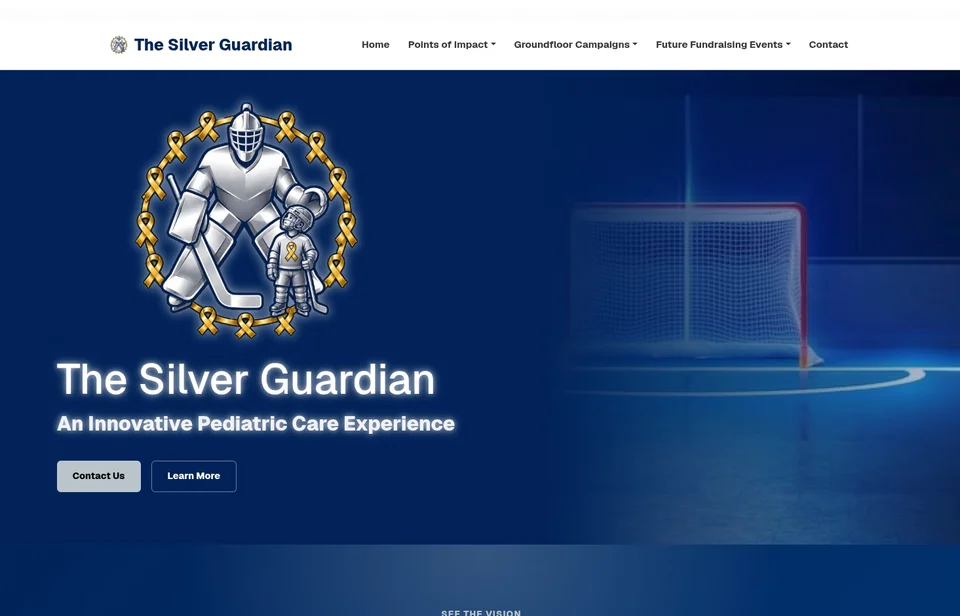
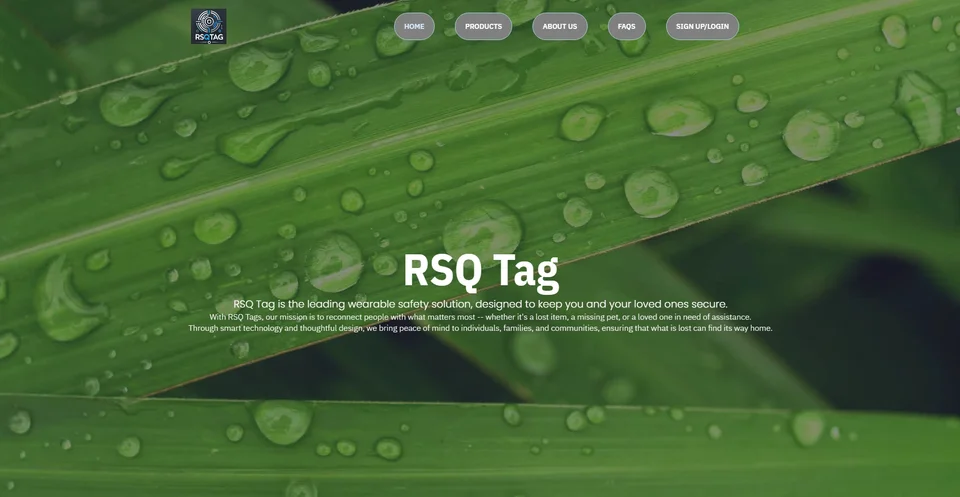
The portfolio includes Salt Lake City Diamonds, The Silver Guardian, RSQ Tag, and Utah Roaster Pigs websites. These are examples of Galactic work, not Kirkland commissions or verified traffic outcomes. They can help you discuss content hierarchy, visual treatment, and the kind of handoff your own site requires.
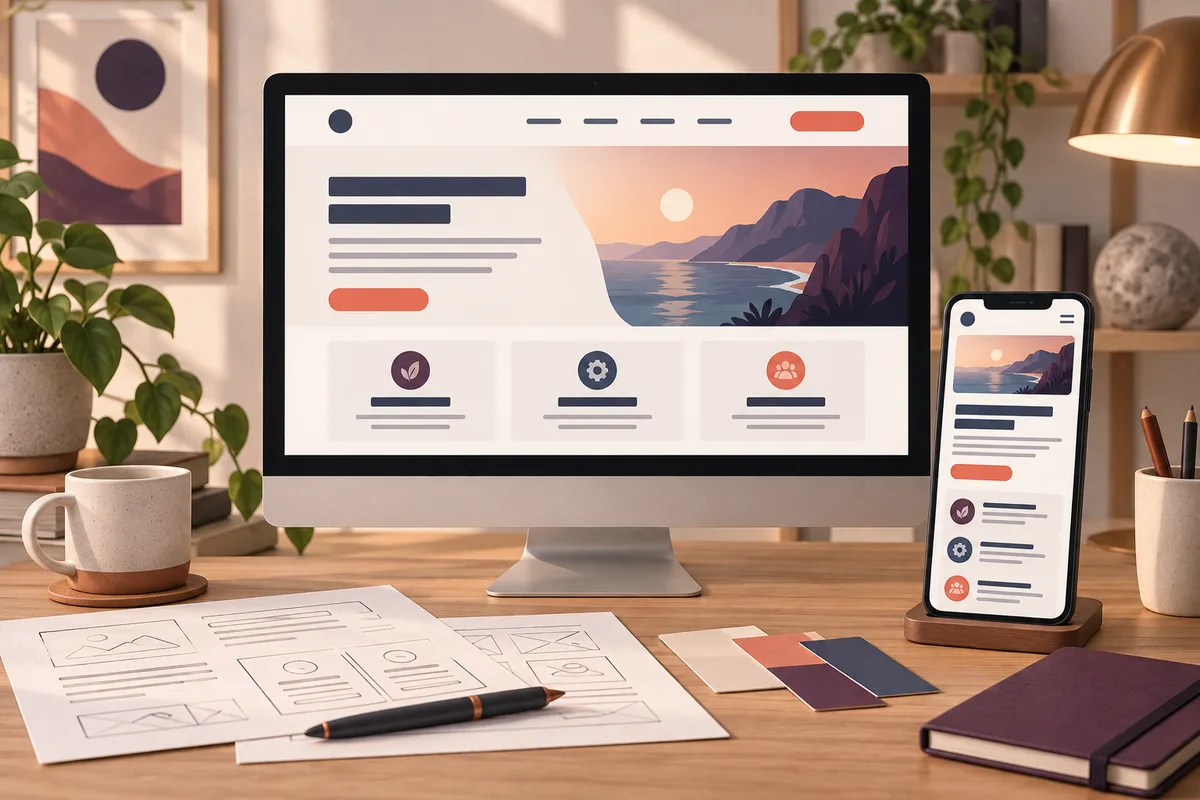
The responsive design illustration here is AI-generated and does not represent a completed client website. It helps show planning concepts without making a project claim. The studio background provides additional context for Galactic.
If the website needs stronger supporting materials, explore Kirkland graphic design or Kirkland logo design. For wider Eastside context, see Bellevue and Bothell. Describe actual service coverage, not an assumed local office.
Questions about web development in Kirkland
Can an existing site be improved instead of rebuilt?
Often. We would review its content, technical condition, editing experience, and customer paths before choosing the scope.
What should we provide before starting?
Bring existing pages, service details, approved imagery, common customer questions, and access information. Name the person who can approve factual content.
Will it work on phones?
Responsive behavior should be included and checked on real page layouts. Navigation, forms, headings, and images all need mobile review.
Who updates the site after launch?
That is a scope and handoff decision. Agree on account ownership, editing access, guidance, and what changes require development support.
How long will it take?
Timing depends on pages, content readiness, integrations, and review. A schedule should be set against the actual scope and its dependencies.
Ready for a useful next step?
Build a website that makes the right next step easier.
Tell us what your customers need to understand and which materials currently make that difficult. We can discuss a focused project for your Kirkland business and the information needed to begin.
Discuss your Kirkland project