
A broad community calls for precise service information
Pierce County’s South Hill plan describes neighborhoods, commercial centers, and a north-south corridor along Meridian Avenue East. A business website should reflect the owner’s actual operation within that setting. Some customers may visit a storefront; others need a provider who travels to them or works remotely. The page should say which path applies.
A hypothetical home service company might need a coverage map and a request form that asks for a ZIP code. A clinic might need appointment details and accessibility information. A business-to-business supplier may need qualifications and a sales inquiry path. These are examples, not claims about Galactic clients or the makeup of every South Hill business.
Galactic Digital Studios can make those facts easier to find and use. South Hill is an unincorporated community, so a page should not imply a city office, citywide policy, or local studio presence. It should answer the customer’s practical question: can this business help me, where, and what should I do next?
Plan pages around customer decisions
Before choosing a page count, list the main services and the questions that separate them. A general home page can orient visitors, but a complex service may need its own page to cover scope, process, exclusions, and next steps. Combining unrelated offers into one long page can make each harder to assess.
Navigation labels should use words customers understand. A page should lead with a direct answer, then add details for people comparing providers. Tell visitors what information they need before contacting you. If two audiences need different proof or inquiry steps, the structure should make those paths visible rather than expect everyone to read the entire site.
Content ownership is part of the plan. Decide who will provide service facts, photos, policies, and approvals. Identify old URLs that need to stay usable if the site is being rebuilt. A proposal should distinguish content writing, editing, design, development, testing, and migration instead of hiding those tasks inside a vague “website” line.

Make the next action match the visitor’s intent
A call to action should tell the visitor what happens. “Request an estimate,” “Ask about availability,” and “Discuss a project” are different commitments. Use the wording that matches the business’s process and make the form ask only for details needed for the next conversation. The confirmation state should set a reasonable expectation without inventing a response time.
On mobile, the main information and action should remain readable without zooming or navigating a crowded menu. Responsive images, sensible type sizes, keyboard access, and descriptive links help more people use the site. These choices also reduce friction for staff when a visitor sends a better-qualified question.
The site can support discovery by making its subject and structure clear to search systems. It cannot promise rankings, AI citations, or lead volume. Competition, relevance, reputation, and the accuracy of business information beyond the site all influence results. Good web development gives customers a dependable place to evaluate the business.

Build content and interface together
Galactic begins with the audience, offer, and business goal. A page map and content outline make it possible to review the customer journey before visual polish. The interface should then make the important answer easy to scan and keep supporting detail available when a buyer needs it.
The existing identity can carry into the site when its files and rules are workable. If a mark breaks at small sizes, South Hill logo design may be relevant. If the site needs a service diagram or downloadable sheet, South Hill graphic design can connect that material to the page. Each addition should have a clear use.
Plan for edits after launch. Services, hours, team members, and policies change. The owner should know how the agreed system handles those updates and who controls the domain and accounts. A maintainable site is more useful than a perfect launch page that becomes inaccurate within a few months.

Compare proposals using the same checklist
Ask whether discovery, copy, design, development, responsive testing, forms, accessibility checks, metadata, redirects, launch, and editing guidance are included. Not every project needs every task, but a proposal should say what is in scope. A short list of pages is not enough to compare two very different levels of work.
Timing depends on content readiness, the number of distinct page types, integrations, review cycles, and the people who approve facts. A simple service site and a site with booking, protected accounts, or data connections need different planning. If a date matters, identify a complete first release and decide what can follow later.
Clarify rights and access. Who owns the domain and hosting accounts? Who can edit the content? Are photos licensed for this use? What happens to an older site and its URLs? These questions affect the handoff and the customer experience long after the design is approved.
Test with a first-time visitor’s eyes
Discovery establishes customer groups, important services, and information gaps. Drafting then turns the brief into a page hierarchy and real copy. Feedback should address whether a customer understands the offer and whether the site reflects the business accurately. Visual choices can be refined against that purpose.
Before launch, check the site on phone and desktop screens. Test links, form errors and confirmations, image descriptions, headings, and keyboard movement. Read the most important page without prior knowledge: can you tell whether the business serves South Hill, what it does, and how to start? If not, fix the content path before minor decoration.
At handoff, confirm the approved pages, account access, and the agreed editing process. The owner can then review real questions coming from customers and update content accordingly. A launch is not a measured business outcome; it is the start of using a clearer communication tool.
Review portfolio sites for useful decisions
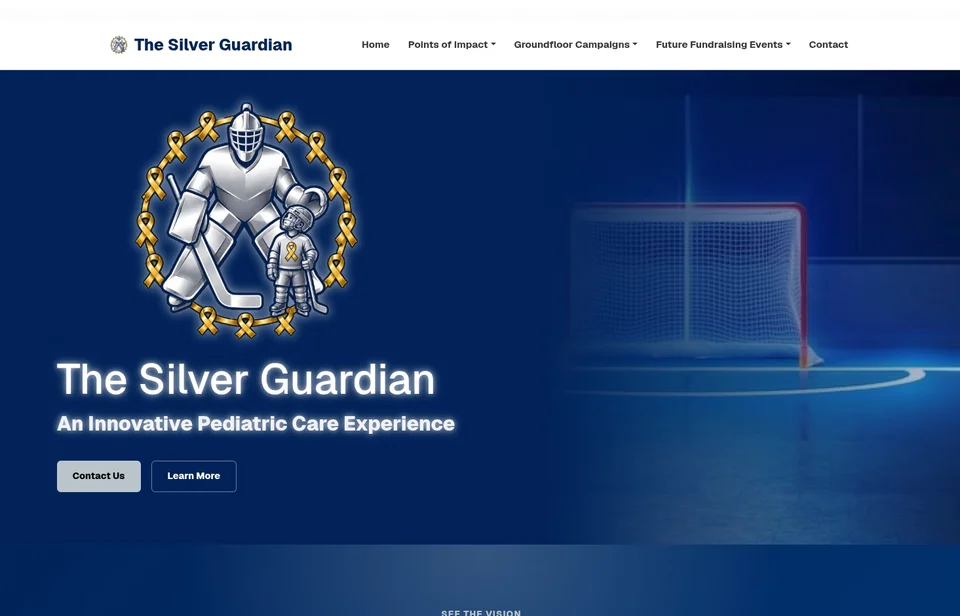
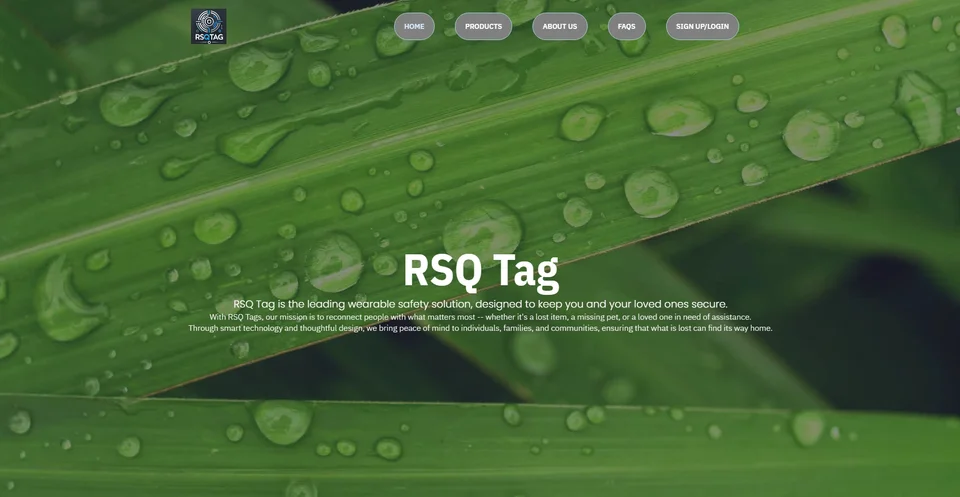
Galactic’s portfolio sites are examples of completed work for clients elsewhere, not South Hill commissions or evidence of a promised result. Look at how a page explains an offer, where it places the next step, and whether it still works on a small screen. Those observations are more useful than choosing a style based on a screenshot alone.
Bring your current pages, customer questions, and examples you find clear or confusing. A fit discussion can then cover page structure, content responsibilities, and what your staff needs after launch. If a proposal cannot explain how the site will help a customer choose the next step, the visual mockup is not enough.
If your business serves both South Hill and nearby Puyallup, explain the real service boundary rather than publishing near-duplicate location text. Useful local pages describe the differences a customer must know. The site should keep those details current as coverage changes.
Questions about web development in South Hill
Do I need a page for every service?
Only when a service needs its own explanation or buying path. The site map should follow customer questions.
Can the website show a broader service area?
Yes, if it matches real operations. State travel, delivery, visit, or remote-work boundaries accurately.
Who writes and approves the content?
That depends on scope. Your team should verify service facts, policies, qualifications, and any regulated claims before launch.
What affects project cost?
Distinct page types, content work, features, migration, review rounds, and testing all affect effort. Ask for a detailed proposal.
Will the new site guarantee search rankings?
No. Clear structure supports discoverability, but rankings depend on many factors beyond a web project.
Ready for a useful next step?
Give visitors a better way to decide and inquire.
Tell us which services need explaining, what the current site misses, and what your team needs to manage. We can discuss a practical South Hill website scope.
Discuss your South Hill project