
Help a good recommendation become a useful inquiry
Web development for Bountiful businesses people are checking out
Galactic Digital Studios provides web development for small businesses in Bountiful, Utah. We build websites that explain the offer, answer practical questions, and help someone decide how to begin. The project should make sense for the person arriving through a referral as well as the person discovering your business for the first time online.
The city’s business resources connect historic Main Street with a wider Davis County business network. A storefront can provide a physical introduction, but the website still needs to stand on its own. Someone who has only heard your name should be able to confirm what you do and whether it fits their need.
We collaborate remotely with Bountiful owners to identify that decision path. Bring the services you offer, the information customers repeatedly ask for, and the actions your team wants the site to support. Those requirements should guide the structure before the visual details are settled.
Answer the questions behind the visit
What does a prospective customer need to confirm?
They found the right business
Use a consistent name and identity, then give a clear introduction to the offer. A visitor should not have to infer the service from an attractive image or a vague slogan.
You handle their situation
Explain relevant service categories, project boundaries, or appointment requirements. Helpful detail allows people to assess fit before asking your team to repeat the entire introduction.
The next step is understandable
Make the action specific. A request for a quote is different from a confirmed booking or an online purchase. Describe what the action starts and what information the visitor should have ready.
Use the knowledge already inside your business
A useful website often begins with the explanations your team gives every week. Ask the person handling inquiries which details customers miss and which questions need the same answer repeatedly. Those conversations can reveal missing service descriptions, unclear coverage, or an unexplained process.
For a hypothetical Bountiful repair business, a page might distinguish the types of work accepted and what information helps assess a request. For a shop offering an additional service, the site might explain how that service differs from an ordinary visit. These examples illustrate possible needs, not completed client projects.
We can organize that knowledge into pages people can scan and return to. Keep important information in readable text, with headings that describe the subject. Images and downloadable materials can support the explanation without becoming the only place a customer can learn what the business offers.
A clear route from interest to action
Design the whole inquiry journey
Galactic’s approach connects content, interface design, and development around the intended action. We consider what a visitor needs to understand before clicking, what information the form or external tool requires, and what happens after submission. Each part should describe the same service and set consistent expectations.
Mobile readability and keyboard access belong in that review. A form should have meaningful labels and useful feedback when a required detail is missing. Navigation should make important information reachable without forcing someone to guess where it belongs. These behaviors help the visual design become a usable experience.
Clear content supports credibility and can make a referral easier to act on. Consistent branding connects the site with other materials. Descriptive pages and internal links support discoverability and interpretation, while a relevant action can support leads. Search rankings, AI-summary inclusion, and business growth still depend on factors beyond a single website project.
Choose a scope that covers the work around the pages
Clarify content preparation, imagery, forms, booking tools, migration, and editing requirements before comparing proposals. A small website connected to several systems can require more work than a larger set of straightforward information pages. The scope should explain those differences.
For a replacement website, identify useful existing content and important URLs. Plan which pages stay, which change, and where redirects are needed. Confirm access to the domain, hosting, and connected accounts so launch responsibilities are understood before the final stage.
Discuss how your team will update service details and who checks them for accuracy. Ask what maintenance and support include, what recurring tools cost, and which changes count as additional development. Those decisions affect the website’s long-term usefulness as much as its initial appearance.
If visual assets need attention, coordinate Bountiful logo design or graphic design with the build. Budget and timing depend on content readiness, custom features, integrations, and review turnaround. Share fixed dates early and identify which improvements could reasonably follow a first launch.
Keep each stage connected to the customer
From discovery to a working website
Review the current introduction
Gather the website, business materials, repeated questions, and priority services. Define the audiences and actions the new site needs to support. Identify missing information and responsible reviewers.
Plan and design the pages
Organize the content around customer decisions. Establish a visual direction and review representative layouts with realistic text. Resolve the main structure before repeating it across the site.
Develop and check the journey
Build the agreed pages and interactions. Review mobile layouts, keyboard use, forms, and external handoffs. Test confirmation and error states alongside the normal path through the site.
Launch with responsibilities clear
Check key links, metadata, redirects, and account access. Confirm editing and maintenance arrangements. Record future priorities separately from the completed launch requirements.
Use the portfolio to discuss more than appearance
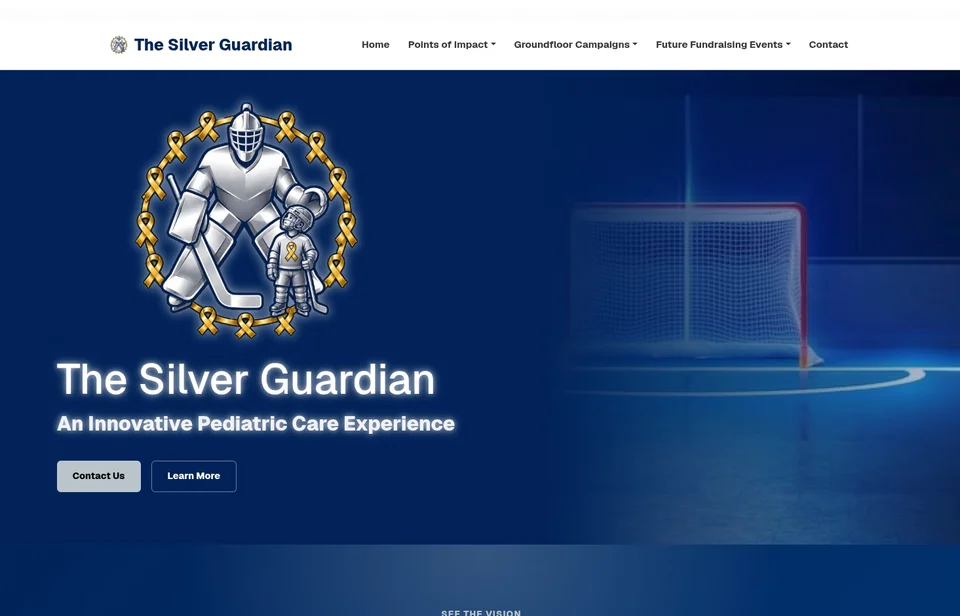
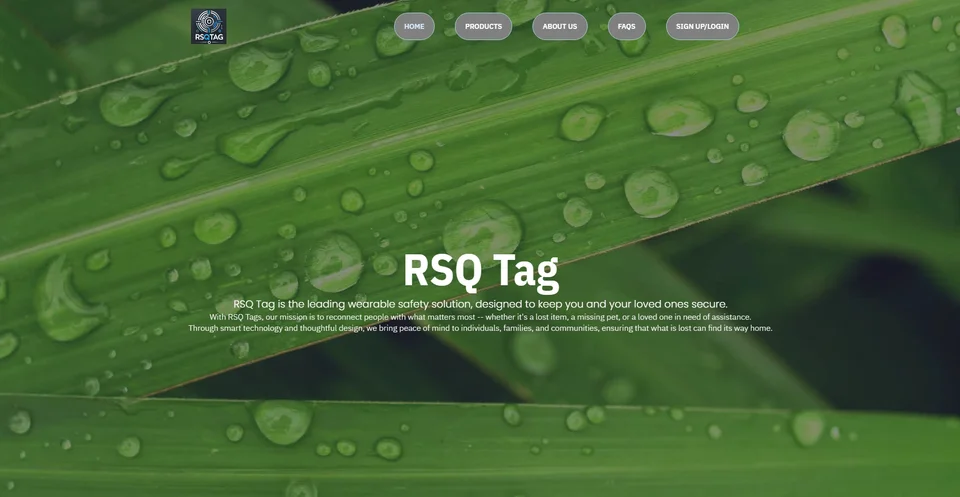
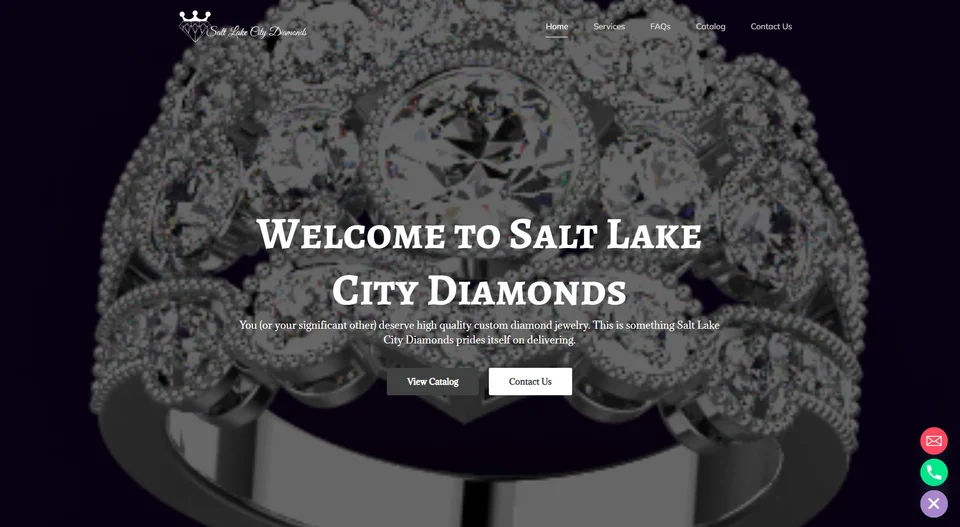
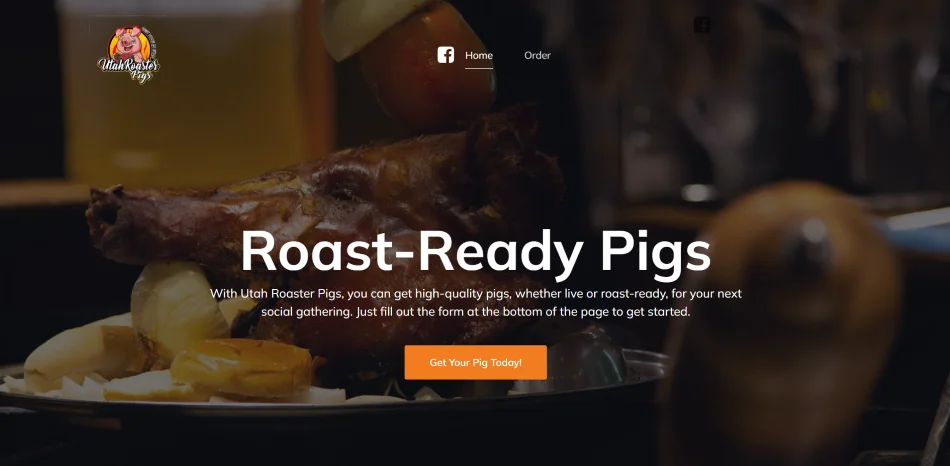
The website examples here include The Silver Guardian, RSQ Tag, Salt Lake City Diamonds, and Utah Roaster Pigs. They are selections from Galactic’s existing portfolio, with different approaches to content and visual presentation. They are not described as Bountiful client projects.
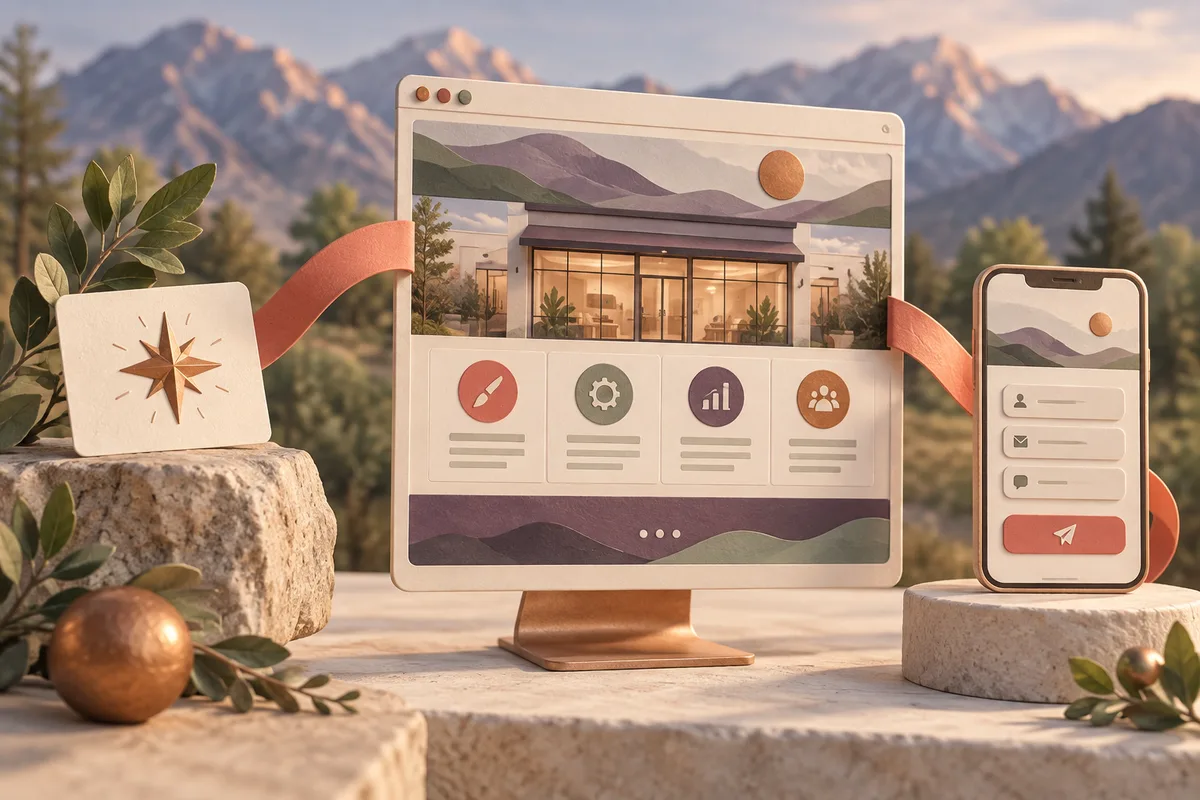
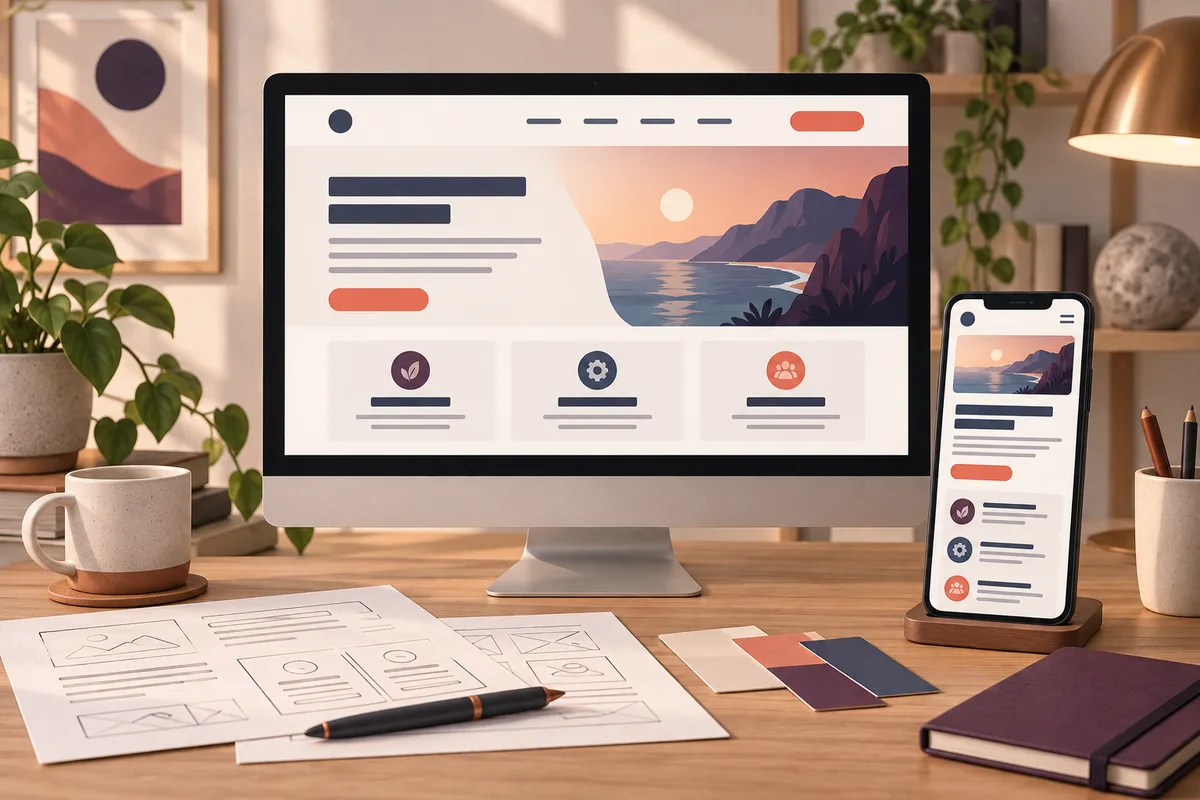
The responsive web design illustration is an AI-generated concept showing desktop and mobile layouts, wireframes, and color planning. It is separate from the client portfolio examples and does not represent a completed customer project.
A screenshot can help you discuss hierarchy, imagery, and the tone of a page. It cannot establish editing access, form reliability, or commercial results. Ask about those responsibilities when reviewing the proposal for your own business, and make sure the intended handoff is concrete.
Galactic began as Galactic Web Solutions in Ogden in 2015, with web development at the center of its work. Explore the portfolio and studio background before discussing how that work relates to your requirements.
Explain how the customer reaches your service
Bountiful’s downtown guide places public art and business destinations along Main Street. For a customer-facing location, practical visit information can help connect online interest with an in-person experience. A business that travels to customers needs a different explanation.
Describe actual coverage, appointment arrangements, or delivery requirements. Avoid making people infer them from a list of cities. If a request outside the usual area needs discussion, say so clearly rather than implying a location or service commitment that does not exist.
For broader regional work, explore our Layton web development and Salt Lake City web development pages. The Bountiful digital services overview connects the site with identity and graphic design.
Bountiful web development questions
What should a referral-focused website include?
It should confirm the business identity, explain relevant services, answer practical fit questions, and make the next step clear. A recommendation can create interest, but the website still needs to support the customer’s decision.
Do we need separate pages for every service?
Only when the distinctions are useful. Review how customers choose and how much information each service requires. Some offers fit together naturally, while others need their own explanation and inquiry path.
Can the website use our existing photos and copy?
Yes, after reviewing quality, accuracy, permissions, and relevance. Existing material can reduce unnecessary work, while gaps should be identified and assigned before development depends on them.
How do we plan the content review?
Name someone who can verify business details and consolidate feedback. Agree on when text becomes approved, especially if changes could affect layouts, forms, or the planned launch date.
Will we be able to maintain the website ourselves?
Discuss the expected edits before choosing the implementation. The tools and handoff can then reflect your team’s needs. Confirm routine editing, technical maintenance, and additional development as separate responsibilities.
Make the next step feel straightforward
Give people a useful place to learn about your business.
Your website can carry the introduction further and help the right customer start a better conversation. Bring the services and questions that matter to your Bountiful business, and let’s plan the experience around them.
Discuss your Bountiful website