

An identity with a purpose
Logo design for Seattle businesses with something of their own to say
Galactic Digital Studios provides logo design for small businesses in Seattle, Washington. We help translate the character of a business into a visual identity that people can recognize and that you can use consistently. A logo should feel appropriate for your audience, hold together across applications, and support the story your business is already working to tell.
Seattle brings together creative businesses, technology, maritime industries, and distinct neighborhood business districts. There is no single visual style that fits all of them. A hypothetical independent maker, a professional service firm, and a marine maintenance company may all serve Seattle while needing very different identities. Starting with a familiar city symbol does not automatically make a logo locally meaningful.
We begin with your business rather than a collection of Seattle clichés. What do you offer, who chooses you, and what should they remember? We collaborate remotely, using your local knowledge and our design perspective to find a direction that can work beyond the first presentation.

A useful logo has to work beyond the concept board
Recognition
The mark and business name should be distinguishable in the settings customers encounter. A complex illustration may be expressive at a large size but difficult to recognize in a small profile image. The right balance depends on the application.
Consistency
Color, typography, spacing, and approved versions help the identity stay coherent. If every supplier has to guess how to use the logo, the business can gradually develop several conflicting versions of its own brand.
Practical flexibility
A wide website header, a square avatar, and a one-color production process place different demands on the design. Discuss those needs before choosing a direction so useful variations can be part of the planned work.

Should you refresh your logo or start again?
A refresh may make sense when customers already recognize the identity but the files, proportions, or typography are causing problems. A more substantial change may be appropriate when the business name, audience, or positioning has changed. The first question is what the current identity does well and what it prevents you from doing.
For a Seattle business with existing signage and printed stock, replacement affects more than a website header. Make a list of the places the identity appears and identify what can change now versus later. A deliberate transition can preserve recognition while giving the business room to evolve.
Bring existing files, the exact approved business name, examples of current usage, and a description of your customers. If multiple people need to approve the design, agree on their role early. A project is easier to steer when feedback is tied to the business brief rather than an expanding collection of personal preferences.

Strategy before styling
Make the identity relevant to your business
Our strategic approach considers the audience, the character of the business, its category, and its intended applications. We discuss what should feel familiar and where the identity needs to be distinctive. The work should have a reason for its visual choices, whether that direction is quiet and restrained or more expressive.
Local relevance can come from the way a business serves people, not only from a landmark. A neighborhood retailer might want a welcoming identity that reads clearly on a storefront. A business selling beyond Seattle may need a mark that makes sense to people who have never visited the city. These are possible briefs, not assumptions about every local company.
A coherent identity can support credibility and recognition across repeat encounters. Those qualities can help customers connect a website, a recommendation, and a physical business. A logo does not independently generate leads, establish service quality, or guarantee long-term growth. It gives the rest of your communication a more consistent foundation.

Tell us what your Seattle business should be known for, and let’s shape an identity around it.
Know what belongs in the logo project
Logo design and a complete brand system are related but different scopes. A project may focus on the primary mark and essential variations, while a broader identity assignment may also address typography, colors, and usage guidance. Discuss the deliverables rather than relying on a package name to explain them.
Ask which concepts and review rounds are included, which final file types you will receive, and how rights and third-party assets are handled. Ownership and licensing terms should be clear in the agreement. If trademark clearance is required, discuss how a qualified specialist will handle it; a design presentation should not be treated as legal clearance.
Digital visibility also depends on the content around the identity. A recognizable mark can make the experience more consistent, but customers still need a readable business name and clear service information. Pairing the identity with Seattle web development and supporting graphic design can help carry that clarity into everyday use.
From business brief to usable identity
A logo process with room for clear decisions
Understand the business
Discuss your audience, offer, current identity, and goals. Identify the applications that matter most and any elements that must be retained. Use this conversation to establish the criteria for a successful direction.
Explore the visual direction
Develop concepts around that brief and explain the choices behind them. Review how the name, symbol, and typography relate. The purpose is to find an appropriate identity, not simply choose the most elaborate presentation.
Refine and test applications
Use consolidated feedback to improve the selected direction. Consider scale, contrast, spacing, and agreed variations. Reviewing realistic applications can reveal issues that are difficult to see in an isolated large logo.
Prepare the handoff
Deliver the agreed files and explain their intended uses. Confirm which version belongs on which background and what suppliers need. Additional collateral, new variants, or a broader rollout should be identified as separate work when outside the original scope.
Compare identities with your own needs in mind
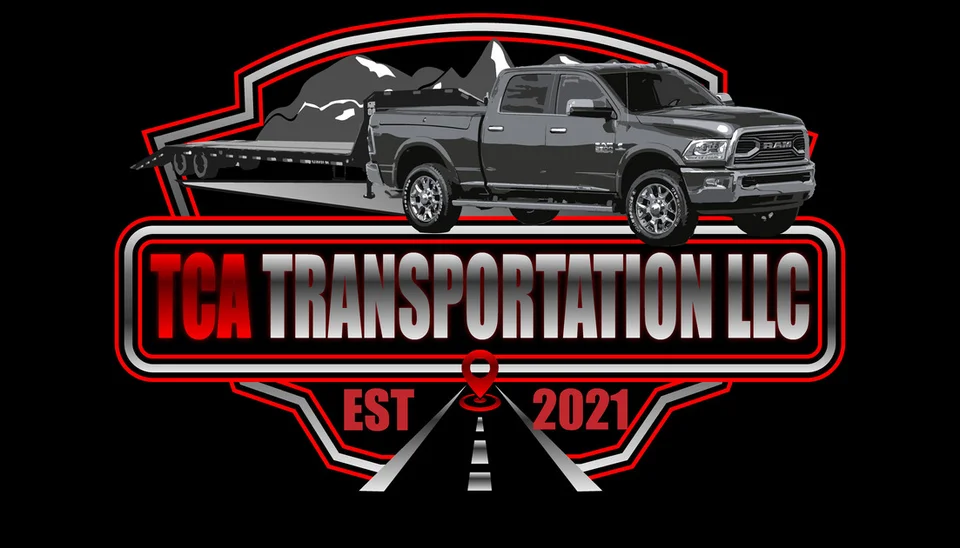
The studio portfolio includes identities for The Silver Guardian, Smokin’ Mage LLC, Sooo Good Lemonade, Bassmint Pros, and TCA Transportation LLC. The five examples on this page are selected from that existing work. They are not described as Seattle businesses, and they are not accompanied by invented results or endorsements.
Look at the differences in personality, the relationship between imagery and lettering, and the way each design fits its subject. Then ask how your own identity needs to behave. A style that works for one business is not automatically the right answer for another.
Galactic’s broader experience combines visual design with website development. That connection helps frame practical questions about how an identity will appear online as well as in other applications. Visit the portfolio and studio story to learn more about the work and background before starting a conversation.

Let the identity travel with the business
Your business may begin with a neighborhood audience and later serve people across the region. Think about whether the proposed identity gives you room to expand without losing what makes the business recognizable. A visual direction should support your plans rather than tying you to an application you already expect to outgrow.
We also serve nearby communities through our Bellevue logo design and Renton logo design service areas. The Seattle services overview explains how identity, websites, and graphics fit together.
For businesses staying deliberately local, the same principle applies: communicate the real character of the business. Specificity comes from understanding your customers and your offer. It does not require a skyline, evergreen tree, or other regional motif unless that choice actually supports the brief.
Seattle logo design questions
Can you keep part of our existing logo?
A refresh can preserve recognizable elements when they still serve the business. Share the current files and explain what customers already recognize. We can discuss whether refinement or a new direction better addresses the problem.
Do we need a symbol, or can the name be the logo?
A wordmark may be appropriate, while some businesses benefit from a separate symbol or combination. The choice depends on the name, audience, and applications. It should follow the brief rather than a rule that every logo needs an icon.
Will we receive files for both print and web?
Discuss those uses before the project begins. The agreed delivery should specify formats and variations appropriate to your needs. Vector files, screen exports, and color versions have different roles, and the handoff should make those roles clear.
How much does logo design cost?
Cost depends on the scope, exploration, revisions, variations, and any broader identity work. A defined logo assignment differs from a full brand system. Share your needs and constraints so the discussion is based on the actual work.
Can a new logo help customers find us online?
It can support recognition when customers encounter your business, but it does not replace website content or search fundamentals. A readable name, useful service pages, and a coherent identity work together; the mark alone cannot guarantee visibility.
Build recognition with intention
Make the next version unmistakably yours.
A useful logo starts with knowing what the business stands for and where the identity needs to work. Bring the name, the story, and the practical challenges. Let’s turn those into a focused logo design project for your Seattle business.
Start your identity conversation