
Useful before the first visit
Web development for Bainbridge Island businesses with two kinds of first impressions
Galactic Digital Studios offers web development for small businesses in Bainbridge Island, Washington. We plan and build websites that help people understand your services, prepare for a visit or conversation, and return when they need you again. The work connects design with the information and functionality that make a website useful in daily business.
For an island business, a new visitor and a longtime customer may arrive with very different questions. The Seattle–Bainbridge Island ferry route connects the island with people planning a trip from across the water. Someone already living nearby may simply want to confirm an offering or find the next available step. A good website can serve both without burying important details in a long introduction.
We work remotely with Bainbridge owners to understand that difference before drawing layouts. The aim is a clear route through the information, shaped around the actual business rather than a standard list of pages that every customer must follow.
Start with the tasks
What should someone be able to do on your website?
Decide whether it fits
Explain the offer, intended customer, and useful distinctions between services. A visitor should be able to recognize a relevant option before being asked to submit an inquiry or make a booking.
Plan the next step
Make visit requirements, appointment expectations, or request instructions easy to find. Where travel is involved, accurate practical information can help someone decide whether a plan will work for them.
Return without starting over
Regular customers often need a shortcut to familiar information. Clear navigation and maintained service details can make the site useful beyond the first introduction, supporting repeat engagement with the business.
Make the everyday details part of the design
Imagine a Bainbridge studio that offers appointments alongside occasional workshops. A prospective client needs to understand the service, while a workshop visitor may need dates, suitability, and registration details. That hypothetical business has two related journeys. A single attractive homepage with an unexplained button would leave too much work to the visitor.
We start by organizing the content behind those decisions. Which information is stable? Which changes regularly? Who verifies it? If an external booking tool is involved, the site should explain what happens when the customer follows the link. If a form starts a conversation, say what kind of request it accepts and what information is helpful.
Businesses serving residents outside downtown have their own requirements. The city’s Island Center overview describes commerce within a residential setting. For a service business in that kind of context, explaining coverage and appointment arrangements may be more useful than a visitor-oriented story. Your operations determine the emphasis.
Clarity from the page to the action
Design for the customer who has a question
Galactic’s approach connects content structure, visual design, and development. We identify the questions that come before a decision, give them a sensible order, and make the next action understandable. The visual personality should support that experience while keeping the business recognizable.
Mobile use is part of that planning. A person checking a page while arranging a visit needs readable text and reachable controls. Someone using a keyboard needs a clear route through navigation and forms. We consider how the interface behaves, including what happens when information is missing or a submission needs correction.
That work supports credibility and can reduce friction before an inquiry. Clear service pages and relevant internal links also give readers and search systems useful information to interpret. Visibility, leads, and long-term growth depend on more than the site itself; no development choice guarantees rankings or selection for an AI-generated answer.
Ask how the website will work after launch
The right scope includes the practical work around the pages. Discuss content preparation, image selection, forms, booking links, editing tools, and any migration from the existing site. A small website with several connected systems may involve more work than a larger site with straightforward content.
Decide who will maintain time-sensitive information. Hours, offerings, events, and policies can become misleading when no one owns the update. If you publish travel guidance, linking to the responsible operator is easier to maintain than copying a changing ferry schedule. Your site should help customers plan without creating information your team cannot reliably keep current.
Confirm domain and hosting access, account ownership, recurring costs, and the support included after delivery. For a replacement website, identify valuable existing URLs and plan redirects where needed. Content readiness, integrations, and review availability influence both price and timing, so bring those details into the proposal discussion.
If the identity or supporting visuals need attention, coordinate Bainbridge Island logo design and graphic design with the website schedule. Final assets and an agreed visual direction make implementation more coherent.
Build with the real information
A considered route from discovery to launch
Map the existing experience
Review the website, repeated customer questions, and the tools your team uses. Define priority actions and identify content that should be retained, revised, or created.
Plan the pages and direction
Organize the information around visitor tasks. Establish the visual approach and review representative layouts. Agree on who supplies and approves the details before they enter the build.
Develop and check the journey
Build with realistic content and test navigation, forms, and external handoffs. Review mobile layouts and keyboard access. Evaluate whether the whole journey makes sense, including error and confirmation states.
Launch and hand over
Check key URLs, metadata, redirects, and agreed integrations. Confirm access and update responsibilities. Document any remaining work and establish how future support or new features will be handled.
Look beyond the first screen when comparing developers
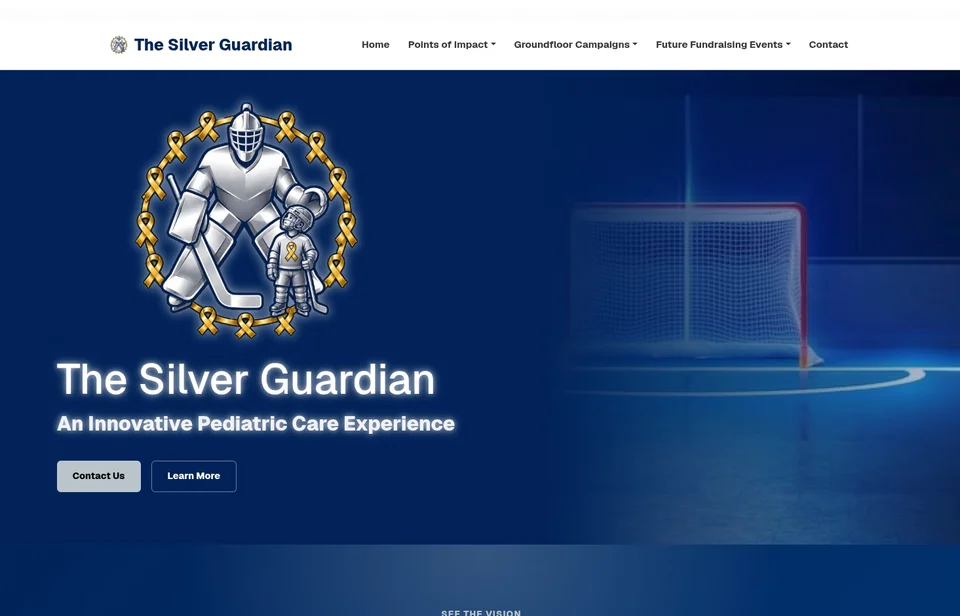
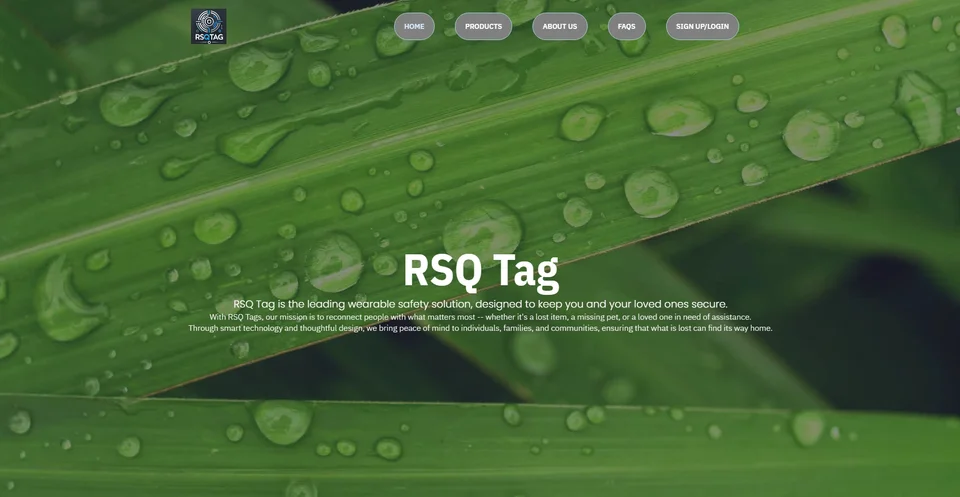
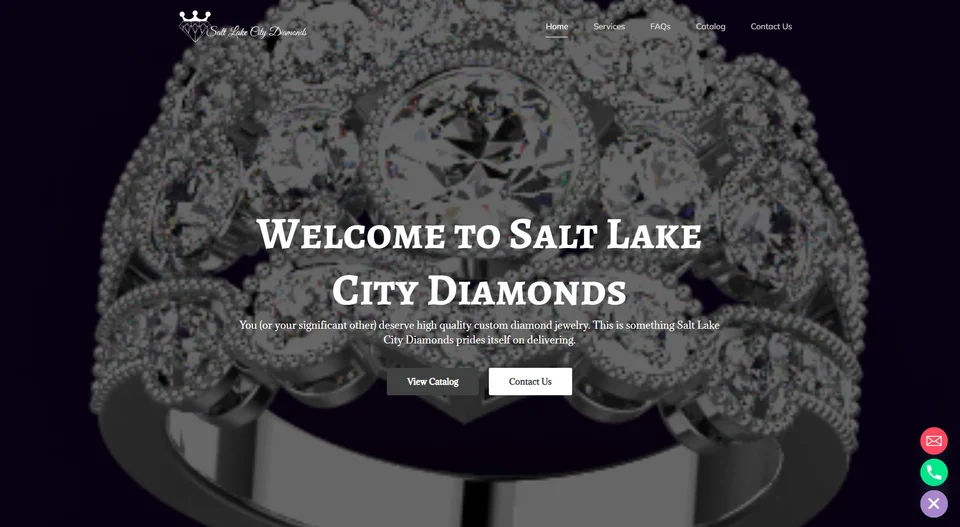
The website examples on this page include work from Galactic’s existing portfolio, with each project named in its caption. They offer a way to compare visual structure and the presentation of different businesses. They are not presented as Bainbridge Island projects or evidence of a particular sales result.
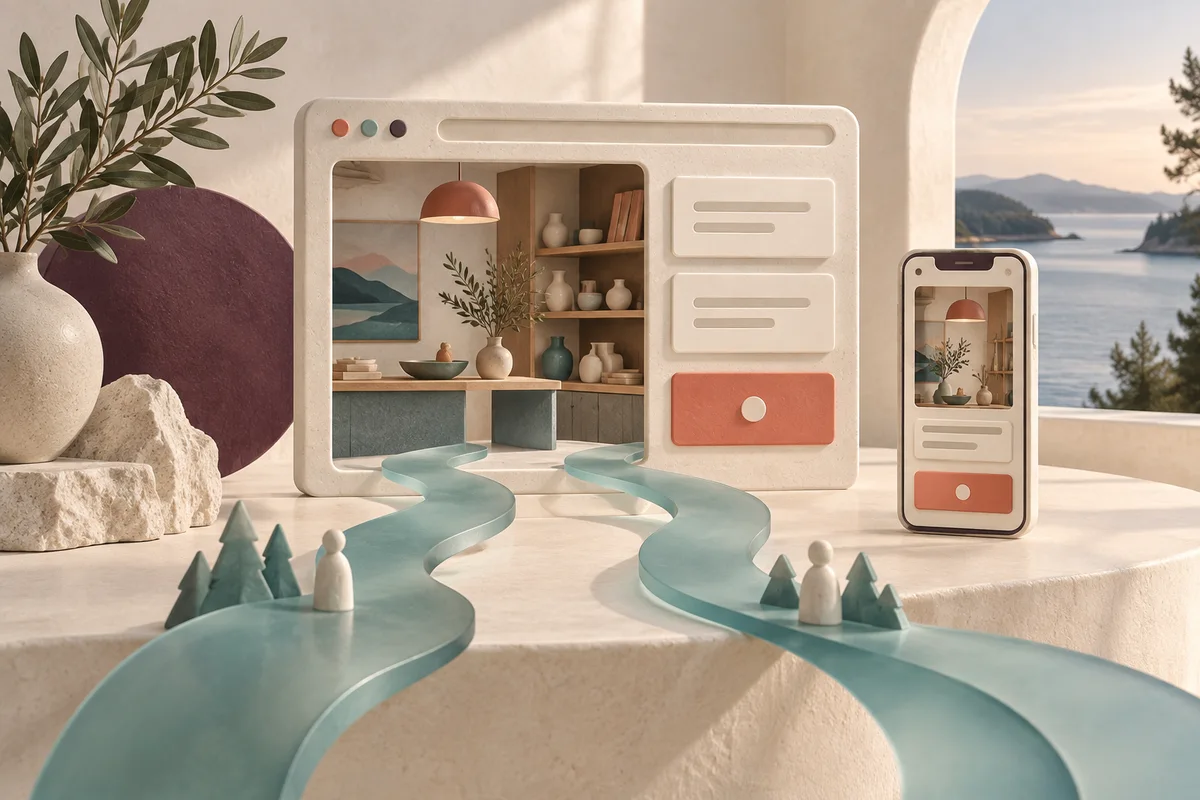
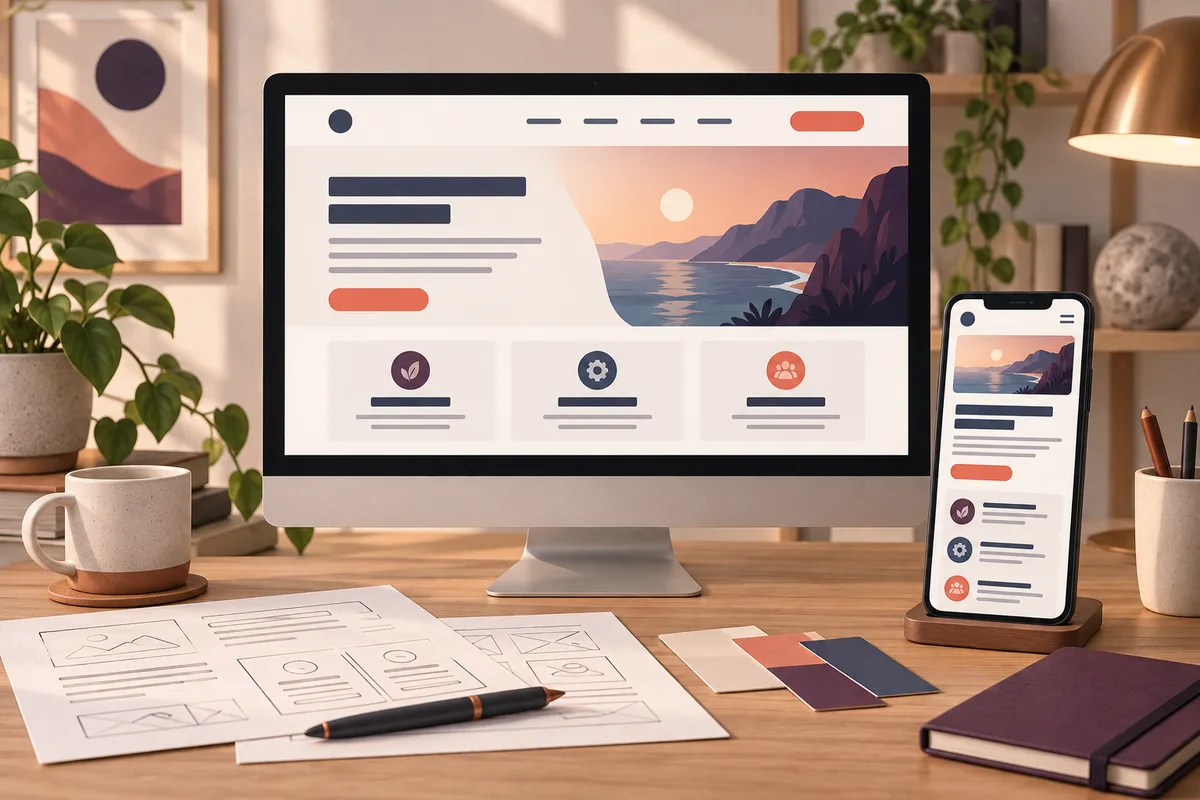
The responsive web design illustration is an AI-generated concept showing desktop and mobile layouts, wireframes, and color planning. It is separate from the client portfolio examples and does not represent a completed customer project.
For your own project, ask how content will be organized, which tasks will be tested, and what your team receives at handoff. A thoughtful answer should connect the visible design with the less visible responsibilities of running the site. That is more useful than judging a proposal only by the number of pages.
Galactic began in 2015 as Galactic Web Solutions, with web development at the center of the studio’s work. Explore the portfolio and our background to understand the range of work before discussing the requirements of your business.

Explain the reach of your business accurately
Some island businesses need customers to visit. Others work at a customer’s location or provide services remotely. Say which model applies and what limits or arrangements matter. A visitor should not have to infer that information from a scenic image or a city name in the footer.
If your audience extends across the region, explore our Seattle web development and Port Orchard web development pages. The Bainbridge Island services overview explains how website work can connect with identity and graphic design.
Expand your own content when there is a distinct question to answer. A useful service-area page explains real coverage, requirements, or examples. Keeping those claims accurate is part of building a website that remains credible as the business grows.
Bainbridge Island website planning questions
Can one website serve regular customers and first-time visitors?
Yes. Give new visitors enough context to understand the business, while keeping frequently needed information easy to reach. The navigation and page structure should reflect both types of use.
Can we keep our current booking or scheduling tool?
Often, but it needs review. Share the tool and explain the workflow. We can assess whether a link, embedded experience, or another arrangement fits the requirements and the provider’s capabilities.
Should we put ferry schedules on the site?
A link to current operator information is generally easier to maintain than a copied schedule. Explain why the link is useful and keep your own visit or appointment instructions accurate.
Will we be able to change events or service details ourselves?
Identify those editing tasks before development. The tools, permissions, and handoff can then be planned around them. Agree separately on maintenance, support, and changes beyond routine content editing.
Can you work with the content we already have?
Yes. Existing material is a useful starting point, but it should be reviewed for accuracy and relevance. Confirm what can be reused and who is responsible for filling gaps or approving revised information.
A helpful next step starts here
Make your website useful every time someone returns.
Bring the questions your customers ask and the work your website needs to do. We’ll help plan an experience that introduces your Bainbridge Island business clearly and supports the relationship beyond the first visit.
Discuss your island website