
Give useful information a clear visual order
Graphic design for Federal Way, Washington businesses
Galactic Digital Studios provides graphic design for businesses in and serving Federal Way, Washington. We create business materials that help customers understand services, compare relevant options, and recognize your brand. A brochure, service sheet, or digital graphic should make the offer easier to use, not simply fill a space with decoration.
The city's economic development overview identifies commercial centers alongside regional connections and natural amenities. Businesses in this setting may communicate at a counter, during an appointment, or through a digital introduction. Each format gives the reader a different amount of time and space.
We design around that moment. The right information hierarchy can make a short handout useful on its own while keeping it consistent with the more detailed explanation on your website.
Start with the way the piece will be used
What should someone understand after a quick look?
The purpose of the offer
Lead with the service or need rather than an unexplained product name. The reader should understand why the material is relevant before navigating a long list of features.
The difference between choices
Use consistent categories to compare related options. Typography, spacing, and descriptive labels should explain the distinctions without relying on color alone to carry the meaning.
The next useful action
Tell the reader whether to review more detail, ask for guidance, or discuss a project. Keep the invitation proportionate to what the piece has actually explained.
Create a family of materials that agrees about the offer
A service guide can hold the fuller explanation, while a counter card introduces the key choice and a digital graphic highlights one relevant use. Each piece needs its own hierarchy, but the names, descriptions, and visual language should remain consistent.
For a hypothetical Federal Way pet-care business, materials might distinguish occasional services from regular arrangements. A hypothetical repair business could explain an assessment separately from the work that follows. These are examples of communication structure, not local client claims or assumptions about actual service terms.
Design can reveal gaps in the content. If two options cannot be compared using the same headings, they may need different presentations. If a qualification changes the offer substantially, it belongs near the claim rather than in an unreadable line at the bottom.
Coordinated materials support recognition and credibility across print and digital use. Clear explanations can help prospects ask better questions and give existing customers something useful to share. That supports visibility and future growth, while actual results depend on the offer, distribution, and customer experience.
Make the information do its job
Our approach connects hierarchy with everyday use
We ask who will read the piece, where they encounter it, and what they need to understand. We review the existing identity and approved service information, then establish a content order before developing the visual direction.
We work with representative copy instead of designing around idealized placeholder lengths. A useful layout needs room for real descriptions and important conditions. We check whether the headline, supporting detail, and action remain clear at the size the reader will actually see.
For print, folds, trim, paper, and production requirements affect the design. For digital use, dimensions, small-screen readability, and the surrounding platform matter. A single export rarely serves every context equally well, so we identify the necessary adaptations during scoping.
Important service information should also appear as readable content on your website. An attractive image is useful support, but customers and search systems need an accurate explanation beyond embedded lettering. We coordinate the wording so organic and AI-assisted discovery lead people to a consistent offer.
Agree on the formats, content, and update needs
List the pieces you need and the situations they must serve. A folded brochure, an editable service sheet, and a social graphic involve different layout and delivery requirements. Prioritize formats that your team has a realistic plan to use.
Gather approved copy, existing identity files, and suitable images with permission to use them. Confirm service names and scope before extending the design across multiple pieces. Late changes to the underlying offer can affect every version.
Discuss whether your team needs editable templates, finished production files, or both. Specify the software, fonts, and image assets involved, along with any relevant license requirements. Production and printing responsibilities should be explicit rather than assumed.
Pricing and timing depend on the number of formats, content readiness, illustration needs, adaptations, and review. Coordinate Federal Way web development for the fuller online explanation and logo design when the identity needs work. Keep frequently changing details easy to maintain.
Develop the system before multiplying the files
From a service brief to usable design files
Define the reader and format
Review the message, intended use, existing assets, and production requirements. Agree on the information the piece must explain and the formats included in the project.
Design a representative piece
Establish typography, spacing, image treatment, and information order using real content. Review whether the layout makes the key distinctions understandable before adapting it further.
Adapt and check the details
Extend the approved direction to the agreed formats. Review copy, service consistency, image quality, and readability, gathering consolidated feedback across the complete set.
Prepare the agreed handoff
Export files for their intended use and check applicable production specifications. Explain the update arrangement and identify which changes your team can make within any supplied templates.
Look for clarity across different kinds of work
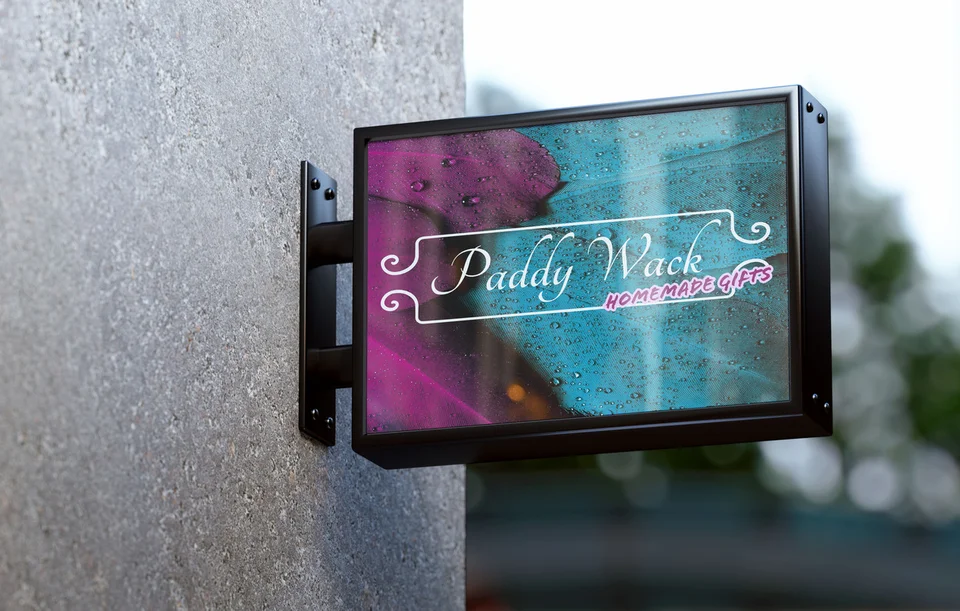
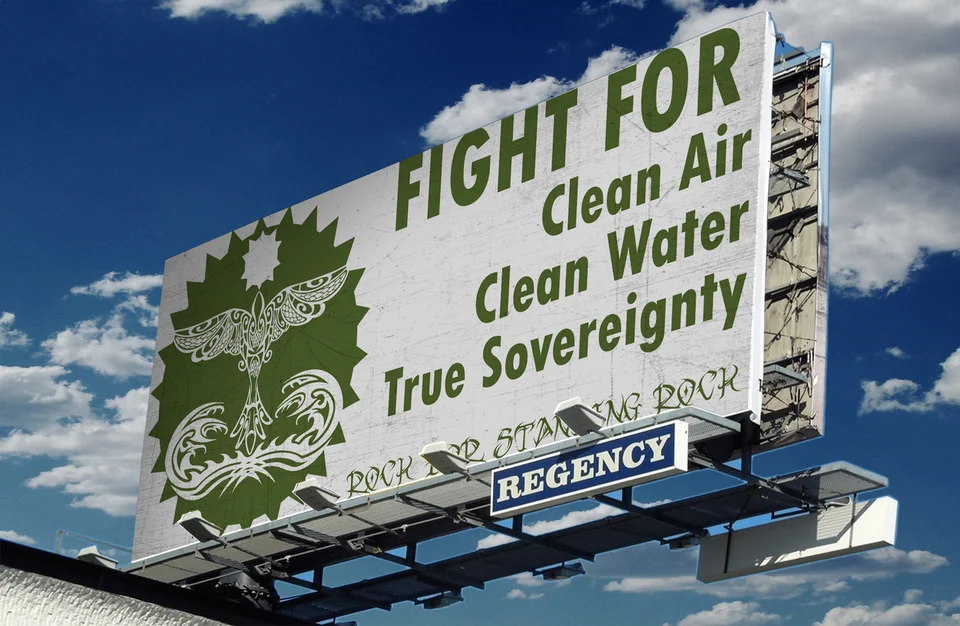
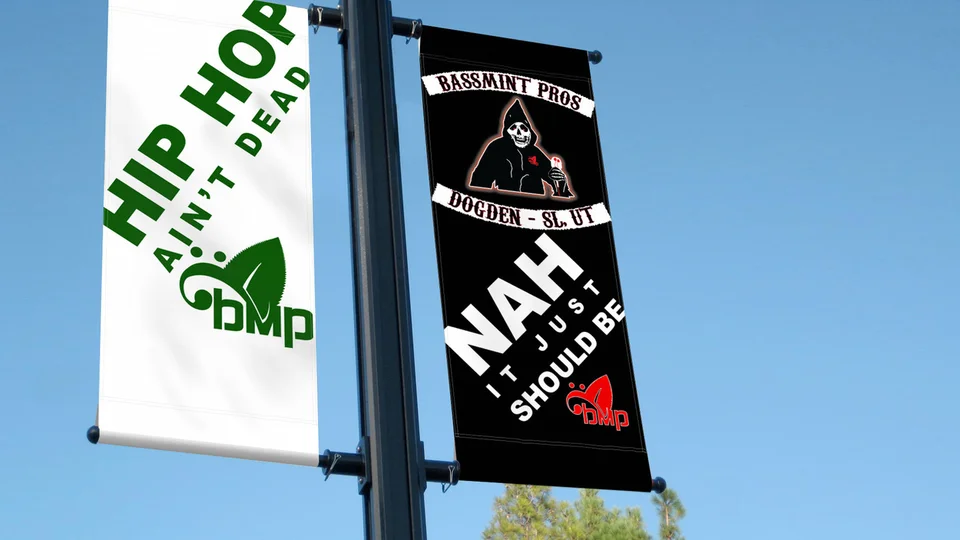
Selected imagery includes Paddy Wack Homemade Gifts and Bassmint Pros graphics, an environmental campaign billboard presentation, and Sooo Good Lemonade and The Silver Guardian identity work. These portfolio examples show different contexts for examining hierarchy, contrast, and visual consistency.
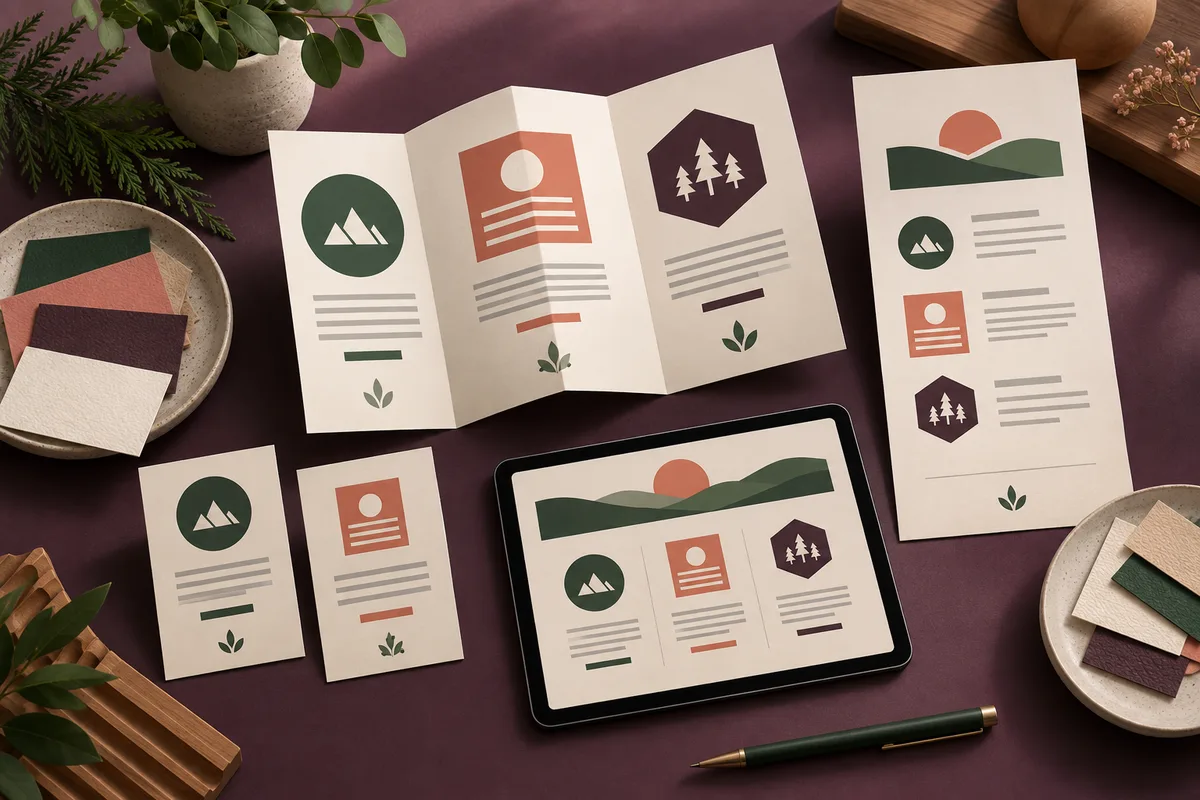
They are not Federal Way commissions, service-comparison guides, or evidence of measured campaign results. Mockups illustrate possible applications rather than verified installations. The conceptual hero shows the service-material idea discussed here.
Explore the studio background and ask how the proposed design will work at actual size. A useful review considers what the reader can understand as well as how the piece looks.

Choose local context that serves the message
Federal Way's parks directory includes the natural areas and trails of West Hylebos Wetlands. Such surroundings can inform a visual mood when they fit the business, but a local service guide does not need to look like a tourism brochure.
Use the audience and purpose to decide what belongs. A household-facing piece may need plain service comparisons; a business-facing document may need more scope detail. Both should preserve the same accurate identity and core offer.
For neighboring service areas, explore Auburn graphic design and Kent graphic design. Return to the Federal Way services overview to plan how the materials connect with your website.

Federal Way graphic design questions
Can one design cover all our service options?
Yes, when the options can be explained clearly within a shared structure. If their purposes or details differ substantially, related pieces may work better than forcing everything into one comparison.
Can we change prices or descriptions ourselves?
An editable template may support routine updates if it is included in the scope. Agree on the software and editable areas, and review changes that affect spacing or important conditions.
Should we use the same file for print and social media?
Usually the content needs adaptation. Print dimensions, folds, and resolution differ from small-screen viewing, where a shorter message and larger type may be more useful.
Can you design around our existing logo?
Yes. Review the available files and any brand guidance first. If the identity has technical limitations or inconsistent variations, resolve those issues before producing a larger set of materials.
Is printing part of the design project?
Printing and production arrangements should be confirmed in the proposal. Specify who chooses the printer, approves proofs, and handles production so the finished design is prepared appropriately.
Make the offer useful wherever customers see it
Give Federal Way customers clearer materials to consider and share.
Bring the information you need to explain and the places it needs to appear. We can create coordinated graphics that make your services more understandable and your business more recognizable.
Plan your Federal Way graphics