

A practical identity fits more than one setting
Layton’s town-center plan imagines goods and services near neighborhoods. That context reminds us that a local business may be seen online, on a sign, on a document, or through a referral. The same mark needs to remain legible and recognizable across the applications the business actually uses.
A hypothetical home-service company may prioritize vehicles and invoices. A hypothetical shop may need packaging and a small profile image. A hypothetical professional firm may rely on proposals and presentations. These are design prompts, not claims about Layton clients.
Galactic Digital Studios develops logo and identity systems for small businesses. A mark can help connect experiences with the same company, but the offer and customer service must give it meaning.
Define the business before drawing the mark
Clarify the exact name, audience, offer, and qualities the identity should communicate. Identify what existing customers may recognize and where the current logo fails. A refresh can retain useful recognition when a complete replacement is unnecessary.
List the smallest and largest expected uses. Fine detail may look appealing on a large mockup but vanish on a phone or embroidered item. A long wordmark may need a compact companion. The brief should identify those constraints before concepts are evaluated.
If the business name or service structure is still changing, settle those decisions first. Designing around an unstable story often creates avoidable rework.

Test concepts against real use
Ask whether the mark reads at ordinary sizes, works in one color, and fits the intended audience. View it beside the business name on light and dark backgrounds. Consider whether someone could recognize it after seeing it in several different contexts.
Feedback is most useful when it names a practical issue: a symbol loses detail, a wordmark is hard to read, or the tone suggests the wrong service. Personal preference matters, but it should be weighed with the brief.
Logo design is not legal clearance. The business should arrange appropriate trademark or legal review before commercial adoption. We do not claim a concept is available in every category or jurisdiction.
Plan the variations and files your team will need
A useful handoff may include a full lockup, compact version, one-color files, color guidance, spacing rules, and formats for print and screens. The exact deliverables and rights should be named in the proposal. Staff should know which file to send a printer and which belongs on the website.
Ask whether editable source files are included and whether typefaces or other components have separate licensing terms. Store the approved files in a shared place. A simple usage guide can prevent stretched marks and inconsistent colors.
Cost and timing depend on the number of applications, stakeholder reviews, naming certainty, and collateral needs. A project-specific scope gives a more meaningful estimate than a fixed package that ignores those factors.

Let’s define where your Layton identity must work before choosing a visual direction.
Connect the identity with the larger message
We use discovery to understand audience and applications, explore visual directions, refine a chosen route, and test it in agreed uses. Final delivery prepares the specified variants and guidance. A mockup helps review context but does not mean a sign or package was physically produced.
Layton web development can explain the business in depth, while Layton graphic design can carry the identity into guides and presentations. Shared visual rules help those touchpoints feel connected without forcing identical layouts.
Consistency can support recognition and credibility. It cannot guarantee leads or sales. The real offer, reach, reputation, and customer experience also matter.
From discovery to a dependable handoff
Discovery reviews the business story, old assets, audience, and applications. Direction explores concepts against those needs. Refinement tests the selected route for readability and flexibility. Handoff supplies the agreed files and usage guidance.
The business confirms its exact name and any legal review. If several people approve the work, consolidate feedback and identify a decision maker. That makes revisions more focused and timing easier to plan.
After delivery, keep approved files where staff and vendors can find them. Archive outdated versions. Future materials should begin from source files, not a low-resolution screenshot.
Plan the rollout before ordering new signs or printed stock. List every place the old mark appears, including social profiles, invoices, forms, packaging, and the website. A staged change can be practical if the team knows which version is approved and when each application will be updated. That operational plan makes the design investment easier to use consistently.
Review identity work for practical lessons
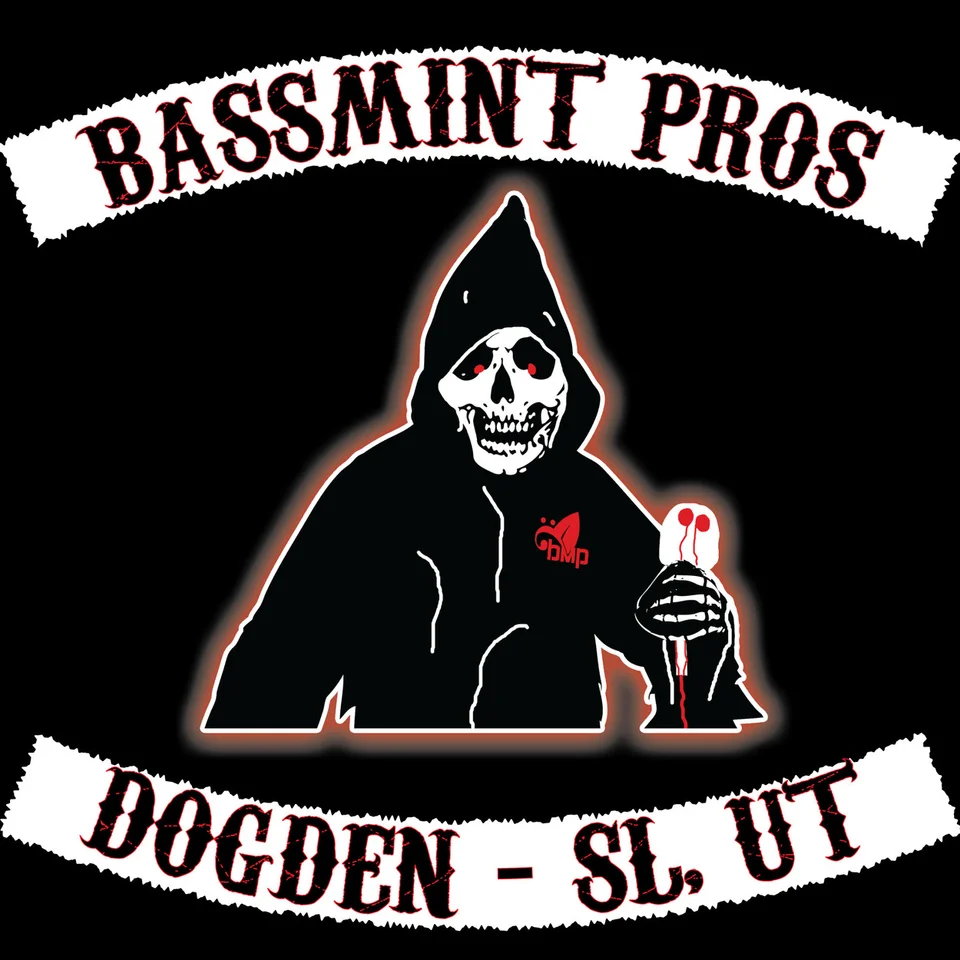
The Galactic portfolio includes Smokin’ Mage LLC, Bassmint Pros, The Silver Guardian, and Sooo Good Lemonade identity examples. These are not Layton commissions or proof of a particular commercial result. Some are mockup presentations, not verified installations.
Look at how a mark relates to its name, tone, and possible applications. Ask how the same decisions would be tested for your own business. Our studio background gives more context about Galactic.
For nearby Utah context, see Bountiful and Ogden. Your identity should remain coherent across genuine service areas while any location claim stays accurate.
Questions about logo design in Layton
What files should a logo project include?
Agree on vector and web-ready formats, color and one-color versions, and a compact option if needed. The scope should name the handoff.
Can we keep part of our current mark?
Often. We assess recognition and practical weaknesses before recommending a refresh or replacement.
Is a proposed logo legally unique?
Design does not replace trademark search or legal advice. Arrange appropriate clearance before commercial adoption.
How many options and revisions are included?
The proposal should state concept and review stages. Feedback against audience and use is more valuable than an unlimited count.
Can the identity guide later materials?
Yes. Variations, colors, typography direction, and usage rules can provide a consistent starting point.
Ready for a useful next step?
Give your business a mark it can use confidently.
Tell us what customers need to understand and where your current materials fall short. We can discuss a focused scope for your Layton business and the information needed to begin.
Discuss your Layton project