

A website with a job to do
Seattle web development that starts with the customer
Galactic Digital Studios provides web development for small businesses in Seattle, Washington. We connect page structure, visual design, content, and implementation so your website helps people understand your offer and act on it. A new site should solve a business problem, whether that is explaining a specialized service, making an inquiry easier, or replacing a confusing collection of old pages.
Seattle’s economy includes technology, maritime businesses, and creative work. That range makes it especially important to build for your actual customer rather than an imagined “typical Seattle user.” A hypothetical marine supplier serving Ballard may need organized technical information. A creative business may need work samples that load cleanly and explain what the viewer is seeing. A neighborhood service company may need a concise service area and a straightforward request form.
We collaborate remotely and do not claim a Seattle office. Your knowledge of the local market, combined with our design and development perspective, gives the project its direction. The goal is a useful business tool rather than a website built mainly to impress its creators.
Define the website before you compare the quote
Information and content
List the services, audiences, and questions the site needs to cover. Identify who will write, review, and supply the content. Five complete pages and five empty page templates are different deliverables, even if a proposal gives them the same page count.
Functions and connections
Document the actual tasks: requesting a quote, browsing work, booking through an existing tool, or finding a specific service. Identify any systems that must connect. Integrations should be assessed before they become assumptions in the schedule.
Life after launch
Decide who needs to edit the website, how often it will change, and who will handle hosting, updates, and support. Confirm access, recurring costs, and handoff expectations in the agreed scope instead of discovering them at launch.

Build a shorter path from interest to inquiry
A visitor should be able to answer three questions quickly: does this business offer what I need, does it serve my situation, and what happens if I take the next step? The website’s structure should support those decisions. Clear page names and specific service explanations usually do more work than a complicated animated introduction.
For a business serving Seattle and neighboring cities, location information needs particular care. State actual coverage and any limitations. Someone in West Seattle should not have to guess whether a service is available there, and someone in Bellevue should not mistake a Seattle-only offer for regional coverage. These are content decisions before they become development tasks.
Forms should request enough information to start a useful conversation without demanding a complete project brief. Labels, readable error messages, keyboard access, and confirmation feedback all matter. A lead that cannot get through the form is not helped by how polished the homepage looks.
Visibility built on useful information
Prepare for search by making the site understandable
Traditional search and AI-assisted discovery both make clear, useful content worth investing in. Google’s guidance says its established SEO practices also apply to AI Overviews and AI Mode; there is no special AI markup that guarantees inclusion. We focus the website discussion on accessible information, logical links, and content that describes the business accurately.
That means important service details should exist as readable page text, not only inside images. Headings should reflect real questions and topics. Page titles, descriptions, and canonical URLs should agree with the intended page. Technical choices should support the content rather than make it difficult to reach.
Performance also needs to be considered in context. Large imagery, unnecessary scripts, and third-party features can affect the experience. We discuss which features earn their place and review the important visitor journeys. A launch check is a starting point for observation, not a promise that every device and connection will behave identically.

Show us where your Seattle website is falling short, and let’s plan a clearer path forward.
Design and development should make decisions together
Our strategic approach starts with the action the website needs to support, then works backward through the information and design required. We ask which pages are essential, what evidence a customer needs, and where existing material can be improved instead of discarded. Your business model should influence the structure more than a fashionable template does.
If the visual identity is unclear, the website may need coordination with Seattle logo design. If the brand is established but supporting assets are inconsistent, graphic design for Seattle businesses can help connect banners, illustrations, and campaign material. Those are specific needs to scope, not automatic additions to every website.
For a redesign, we also need to understand the current site. Useful pages, existing links, assets, and important workflows should be considered before replacement. Migration planning belongs near the beginning, while there is still time to make decisions about addresses, content, and launch responsibilities.
A project you can follow
From discovery to a deliberate launch
Discovery and inventory
Review your audience, goals, current pages, available content, and required systems. Identify a primary visitor action and the practical constraints. This gives the project a shared definition of what it is meant to accomplish.
Structure and visual direction
Organize the pages and their key messages before polishing every detail. Discuss hierarchy, navigation, and the relationship between the brand and the interface. Feedback here can prevent expensive changes later.
Build and review
Implement the agreed experience and review it with real content. Check representative screen sizes, keyboard use, forms, and relevant integrations. Treat content review as part of the work rather than something that happens after development ends.
Launch and handoff
Confirm the domain and hosting arrangements, necessary redirects, key links, and ownership of access. Agree on responsibilities after launch. Future additions, monitoring, and maintenance should have explicit expectations rather than an assumed unlimited scope.
Look beyond the homepage screenshot
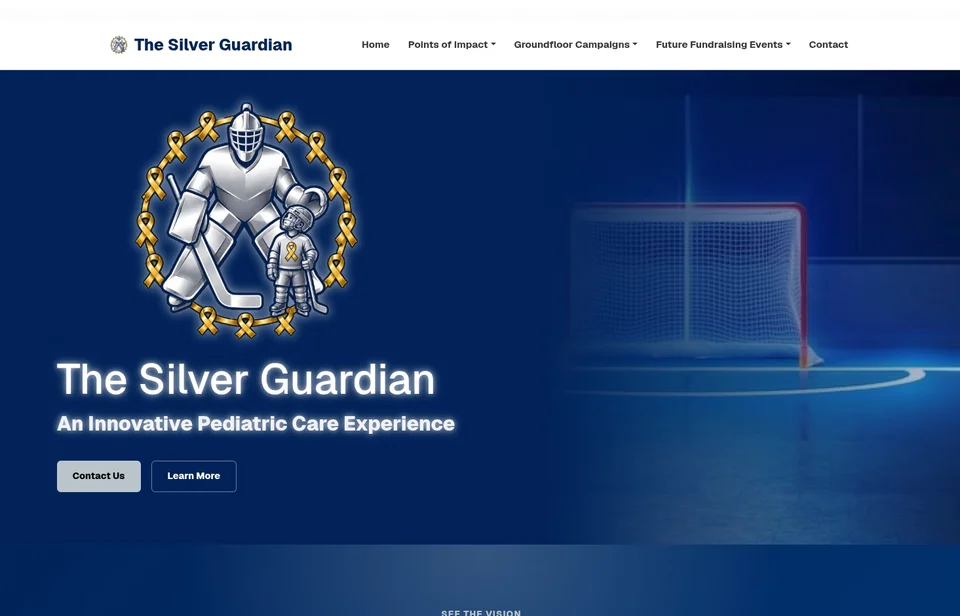
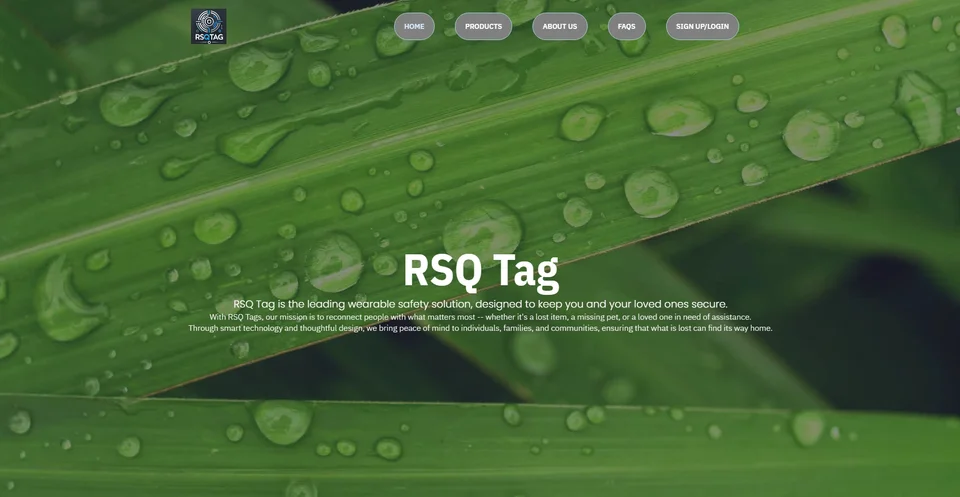
Our portfolio includes website examples such as RSQ Tag, The Silver Guardian, and Salt Lake City Diamonds. The client screenshots on this page are selected portfolio examples, not claims of Seattle client work or evidence of particular commercial results. They let you compare visual direction and presentation across different businesses.
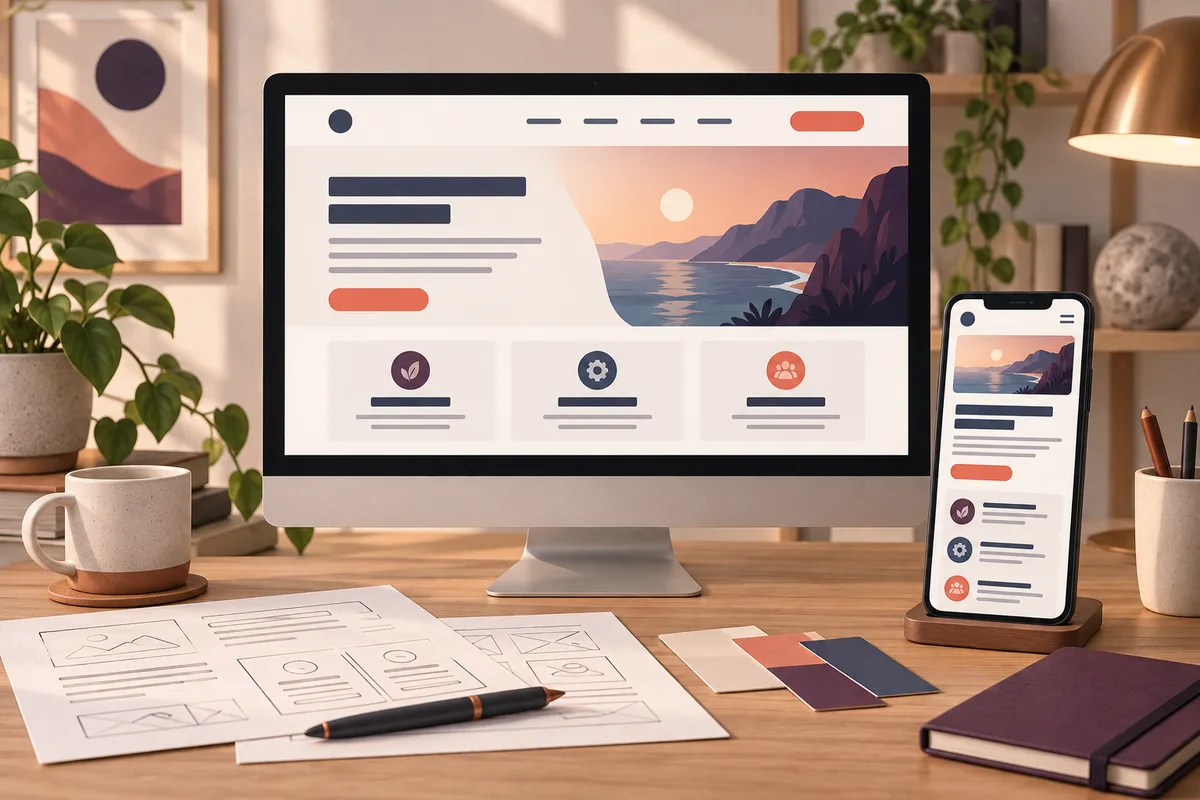
The responsive web design illustration is an AI-generated concept showing desktop and mobile layouts, wireframes, and color planning. It is separate from the client portfolio examples and does not represent a completed customer project.
When you evaluate a web developer, ask how decisions connect to the audience. A screenshot can show typography and hierarchy, but it cannot establish form reliability, performance, accessibility, or sales outcomes on its own. Those deserve their own conversations and checks.
Galactic began as Galactic Web Solutions in Ogden in 2015. Web development remains part of the studio’s core work. Visit the portfolio to inspect more examples and use the first conversation to discuss the parts most relevant to your website.

Let your real service area shape the content
A regional business may need to explain different availability or services across Seattle and the Eastside. That does not mean every city needs a duplicate page. Each page should add something useful: a distinct service explanation, accurate coverage detail, or answers specific to the audience it serves.
Our Bellevue web development and Renton web development pages cover nearby service areas. For an overview of how websites connect to broader creative work, return to our Seattle digital services page.
Plan content around what your business can support over time. A smaller site with accurate, maintained information can be more useful to customers than a much larger site whose pages nobody owns or updates.
Seattle web development questions
Can you improve our current website instead of rebuilding it?
That depends on its platform, condition, and goals. We should review the existing site before deciding. Content changes, design improvements, and targeted development may be sufficient, while deeper limitations can make a rebuild more practical.
How long does a website project take?
Timing depends on scope, content readiness, integrations, and the review process. A defined set of informational pages differs from a site with custom workflows. Share important dates early so dependencies and priorities can be discussed realistically.
Will we be able to edit the finished website?
Editing needs should guide the implementation choice. Tell us who will make changes and what they need to control. Confirm the editing tools, access, training expectations, and any limitations before the build begins.
Can you guarantee Google rankings or AI citations?
No. A website can support discoverability and provide useful information without controlling how search systems select results. We can discuss concrete technical and content work, but rankings and inclusion in AI summaries are not guaranteed deliverables.
What affects the cost most?
Content volume, custom functionality, integration complexity, migration, and the extent of design work all influence scope. A useful estimate starts with requirements and responsibilities, not just a desired number of pages.
A stronger foundation
Build a website your business can grow into.
Whether you are starting fresh or sorting out an older site, we can begin with the problem that matters most. Bring your goals, your questions, and the parts that are not working. Let’s turn them into a focused website project for your Seattle business.
Discuss your website